Gizmo Guide Daily Analytical Briefing: Foldable Innovations, Power Leap Breakthroughs, and Privacy Pressures
An analytical look at the last 24 hours of gadget news, highlighting massive mobile battery advancements, a breakthrough in four-minute battery charging tech from Rice University, and mounting cybersecurity and child safety pressures surrounding AI hardware.
Daily Analytical Briefing: Key Trends and Gadget Insights
Welcome to today's Gizmo Guide analytical briefing. Over the past 24 hours, the tech landscape has been defined by three major intersecting currents: the rapid acceleration of high-capacity hardware engineering in mobile devices, breakthroughs in underlying power and manufacturing sciences, and escalating regulatory and security scrutiny across software and smart ecosystems.
Trend 1: The Massive Battery and Foldable Form-Factor Arms Race
Mobile hardware is pushing the boundaries of physical design. The latest smartphone announcements showcase a distinct shift toward extreme battery capacities—such as the Honor Magic9 Pro Max with an 8,000 mAh battery, the Motorola Edge 70 Neo packing 7,000 mAh, and Huawei's Mate X8 and Mate 90 Air pushing ultra-slim folding and slab profiles. At the same time, foldable devices continue to mature, with Huawei implementing magnetic crease reduction and Apple testing outer-screen widgets for its prospective foldable iPhone Duo. Manufacturers are clearly betting that solving endurance and physical durability will drive premium tier upgrades, as highlighted by Xiaomi's recent revenue growth fueled by high-end foldables.
Trend 2: Material Science Innovations Promise Real-World Power Leaps
Hardware longevity received a major theoretical and practical boost from laboratory to market pipelines. Rice University's recent breakthrough in synthesizing graphite anodes for four-minute lithium-ion battery charging—while slashing production emissions by over 80 percent—signals a transformative shift for future phones, laptops, and wearables. When paired with compact, high-performance computing hardware like the discounted ACEMAGIC F9A workstation and new AI productivity hardware such as Genspark’s SecondBrain VoicePad, the ecosystem is rapidly evolving toward hyper-efficient, high-end power management.
Trend 3: Privacy Vulnerabilities and Consumer Safety Pressures
Amid hardware triumphs, the digital and smart home sectors face severe trust hurdles. The revelation that two unsecured open databases exposed 3.5 billion sensitive records, including logins and national IDs, highlights critical cybersecurity vulnerabilities. Simultaneously, child safety coalitions are aggressively petitioning major retailers to pull AI-powered smart toys over profound privacy and developmental risks. These events link poor foundational data governance with consumer protection backlash.
Risks and What to Watch Next
The primary risk lies in consumer backlash against rushed AI integrations and lax data security protocols, which could invite heavy-handed regulatory intervention. Moving forward, watch for how brands address these privacy demands, monitor the commercial implementation timelines of Rice University's four-minute charging anode tech, and track early consumer reception to the incoming wave of ultra-battery-centric flagships.
Read next
 🏠Smart Home
Modders Unlock Higher Frame Rates for GTA 6 on Jailbroken PS5 Consoles
Modders have successfully bypassed the 30 FPS limit in GTA 6 on jailbroken PlayStation 5 consoles, enabling higher frame rates on supported displays.
 📰Gadget News
Vivo X500s Leaks Point to Custom Dimensity 9600 Pro Chipset
The upcoming Vivo X500s is expected to debut with an enhanced version of the Dimensity 9600 Pro chipset and a high-refresh-rate display.
 📰Gadget News
Google Addresses Memory Issues Caused by Gemini in Chrome
Google has officially confirmed a fix for a bug that caused the Gemini web interface to consume excessive amounts of RAM in the Chrome browser.
 📰Gadget News
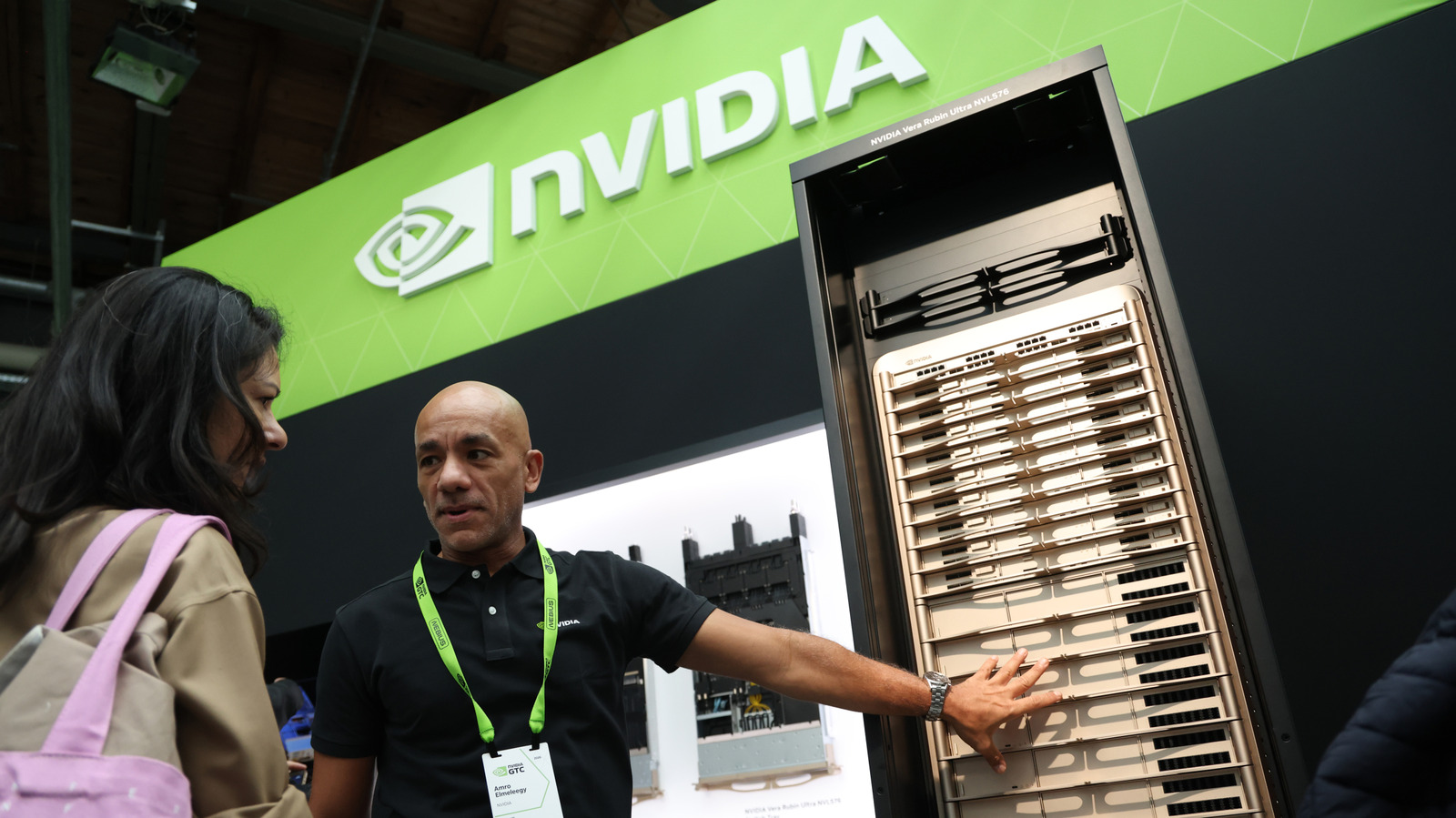
NVIDIA Halts AI Server Shipments to Key Southeast Asian Markets
NVIDIA has reportedly paused shipments of AI server hardware to Malaysia, Singapore, Thailand, and Indonesia amid tightening US export controls.
 ⌚Wearables
Roborock Announces 2026 Black Friday Promotions on Cleaning Lineup
Roborock has launched its annual Black Friday and Cyber Monday sales event, offering discounts and bundles across its 2026 smart cleaning product range.
 📰Gadget News
Steam Festival Highlights Games Created Without Generative AI
A new Steam festival showcases games developed without generative AI, requiring creators to provide proof of their manual production processes.