Scaling Carbon Removal: The Path to Net-Negative Emissions
As global climate targets shift toward reversing warming, experts identify the financial and technical hurdles facing the carbon dioxide removal (CDR) industry.
 🧠AI Analysis
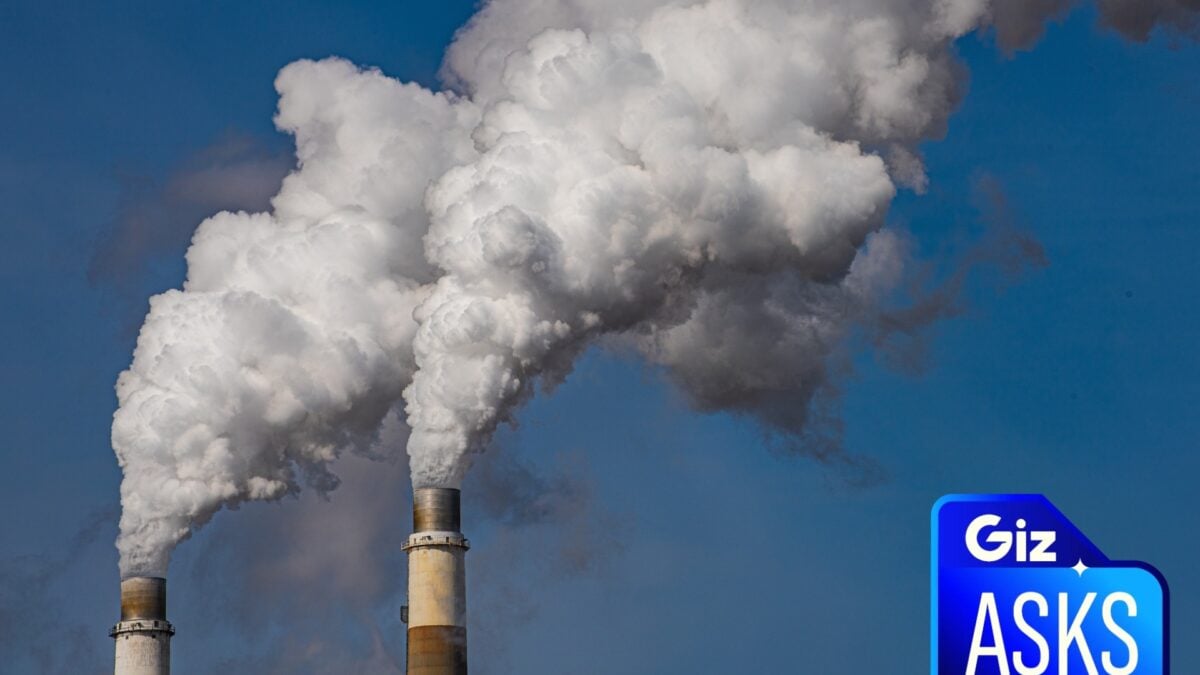
Photo: gizmodo.com
Key points
- COP31 negotiations now prioritize net-negative emissions over simple net-zero targets.
- CDR methods include nature-based solutions and high-tech options like direct air capture.
- Financing remains the largest barrier, as removal is currently more expensive than mitigation.
At the recent COP31 climate conference, discussions shifted from merely limiting temperature increases to actively lowering atmospheric carbon dioxide levels. Achieving a net-negative state requires both a transition away from fossil fuels and the large-scale deployment of carbon dioxide removal (CDR) technologies, which currently operate far below the necessary gigaton capacity.
Strategies for Carbon Capture
Current removal methods are divided between nature-based solutions—such as reforestation and soil sequestration—and emerging technological approaches. Among these, direct air capture and sequestration (DACCS) is considered a leading solution, as it physically extracts CO2 from the atmosphere for underground storage. However, these technologies remain expensive and are not yet ready for mass-market implementation.
Economic and Policy Barriers
According to experts, the primary obstacle to scaling CDR is project financing. Because carbon mitigation is currently more cost-effective than removal, CDR must compete for limited funding. Analysts suggest that as low-cost mitigation options are exhausted, the economics will shift, making removal technologies more competitive. To reach a net-negative future, governments must establish robust policies that incentivize these markets while ensuring that removal pathways meet strict standards for permanence and accounting.
Should you invest in CDR? While the technology is essential for long-term climate goals, it currently faces significant financial and scalability challenges that require sustained government intervention to overcome.
Source gizmodo.com — gizmodo.com/what-will-it-take-to-pull-enough-co2-from-the-sky-to-revers… ↗
Read next
 📰Gadget News
X Finally Adds Native Post Scheduling to Android App
Android users can now schedule posts up to 18 months in advance directly within the X app, matching features previously available on the web and iOS.
 📰Gadget News
Proposed US Tariffs Target Chinese Imports, Impacting Apple's Supply Chain
The Trump administration has announced plans for new tariffs on 14 trading partners, with China facing an additional 20% levy that could increase costs for Apple.
 📰Gadget News
South Korea Investigates Apple Over Marketing of AI Features
The Korea Fair Trade Commission has initiated formal proceedings against Apple, alleging that the company misled consumers regarding the availability of Apple Intelligenc…
 📰Gadget News
Xgimi Launches Significant Black Friday Discounts on 4K Projector Lineup
Xgimi has announced major price cuts across its projector range for Black Friday, including a $1,500 discount on its flagship Titan Noir Pro.
 📰Gadget News
The State of the Action Camera and Drone Market in 2026
A look at the current landscape of action cameras and drones, highlighting the dominance of major brands and the shifting regulatory environment for US consumers.
 📰Gadget News
WhatsApp Developing Integrated eSIM Marketplace for International Travelers
WhatsApp is testing an in-app feature that allows users to purchase and manage travel eSIMs directly, simplifying mobile connectivity while abroad.