A Look Back at Five Forgotten Mobile Charging Ports Before USB-C Standardization
Before USB-C became the universal standard for smartphones, manufacturers experimented with a wide variety of proprietary and unconventional charging connectors.
 🧭Buying Guides
Photo: engadget.com
Key points
- USB-C is now the universal standard, driven by sweeping mandates and superior design.
- Early 2000s phones featured diverse proprietary connectors like Motorola's CE Bus and Nokia's Pop-Port.
- Legacy ports often suffered from mechanical wear, bulky shapes, and a lack of cross-brand compatibility.
Today, USB-C dominates the smartphone landscape, reinforced by regulatory mandates and praised for its reversible design, high-speed data transfers, and efficient power delivery. However, the mobile industry spent decades relying on an array of diverse connectors before reaching this universal standard. Looking back at these older, often bulky ports highlights how much the ecosystem has evolved from the days of fragmented proprietary cables and heavy electronic waste.
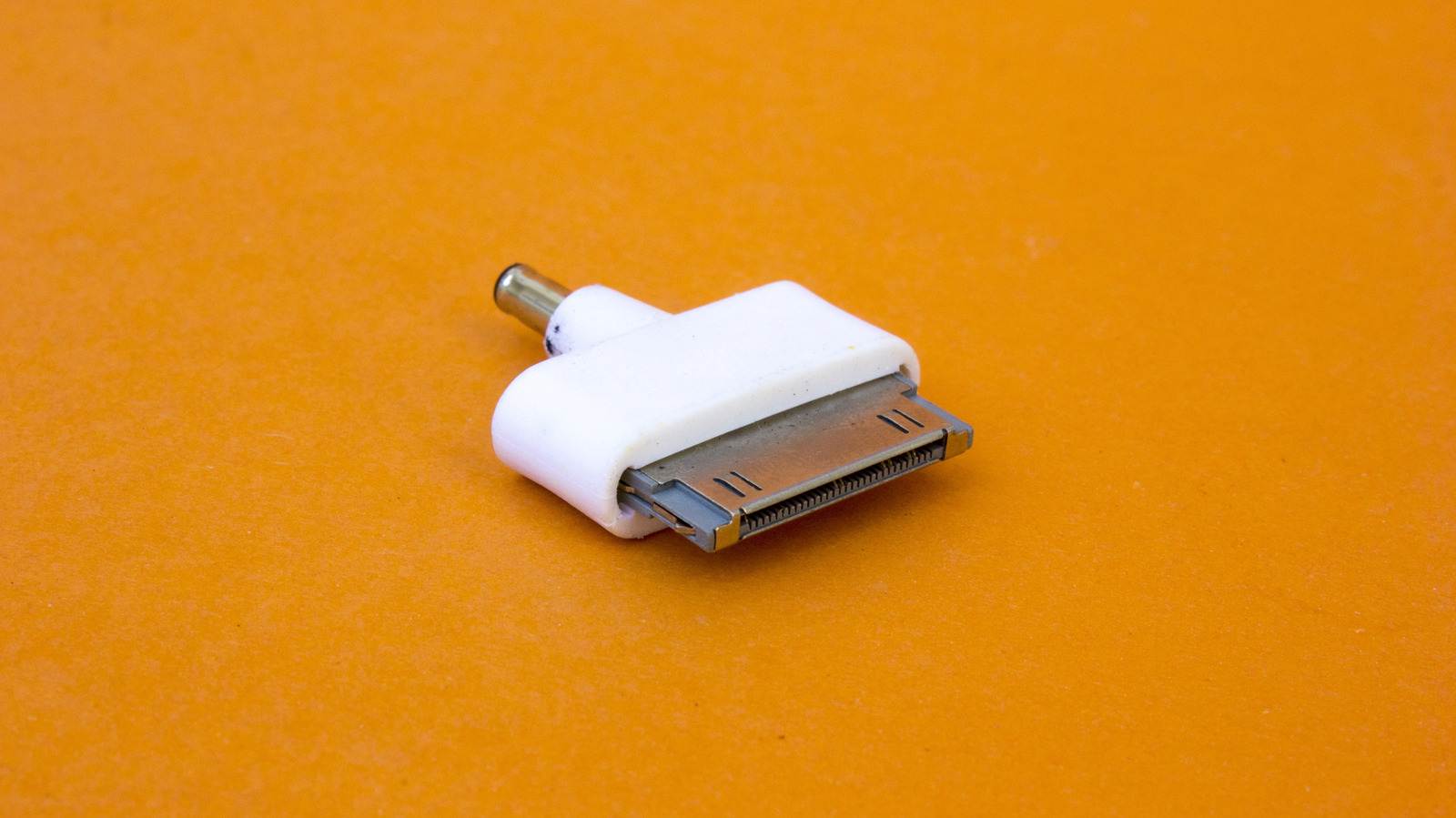
Among the most notable legacy connections was Motorola's massive 17-pin CE Bus introduced in 2000, which managed power, data, and audio on classic clamshell models like the Motorola V60 and the iTunes-supporting ROKR E1. Nokia took a different path with its Pop-Port in 2002, designed to accommodate external accessories like cameras and car kits, though its plastic clips notoriously wore down over time. Meanwhile, Apple utilized a wide, flat proprietary connector starting with the third-generation iPod in 2003, carrying it over to the original iPhone before transitioning to the 8-pin Lightning connector in 2012.
Other notable historical connectors include the Sony Ericsson FastPort from 2005, featuring double-sided plastic hooks for the K750i, and HTC's 11-pin ExtUSB found on the first commercially available Android phone, the HTC Dream. While these ports suffered from mechanical wear, proprietary limitations, and cumbersome designs, they paved the way for the streamlined compatibility consumers enjoy today.
Evaluating how far mobile hardware has come underscores the consumer benefits of standardized ports like USB-C, which eliminate the clutter of manufacturer-specific accessories.
Should you buy it? While you certainly cannot purchase phones with these legacy connectors anymore, understanding their history offers valuable context on why modern USB-C compliance is such a massive win for tech consumers.
Source engadget.com — engadget.com/2315473/old-school-charging-ports-phones-used-before-u… ↗
Read next
 📰Gadget News
XPeng unveils IRON humanoid robot with plans for public launch by 2027
Electric vehicle manufacturer XPeng has introduced its new humanoid robot, IRON, targeting a commercial debut in 2027 with a price point comparable to an entry-level EV.
 📰Gadget News
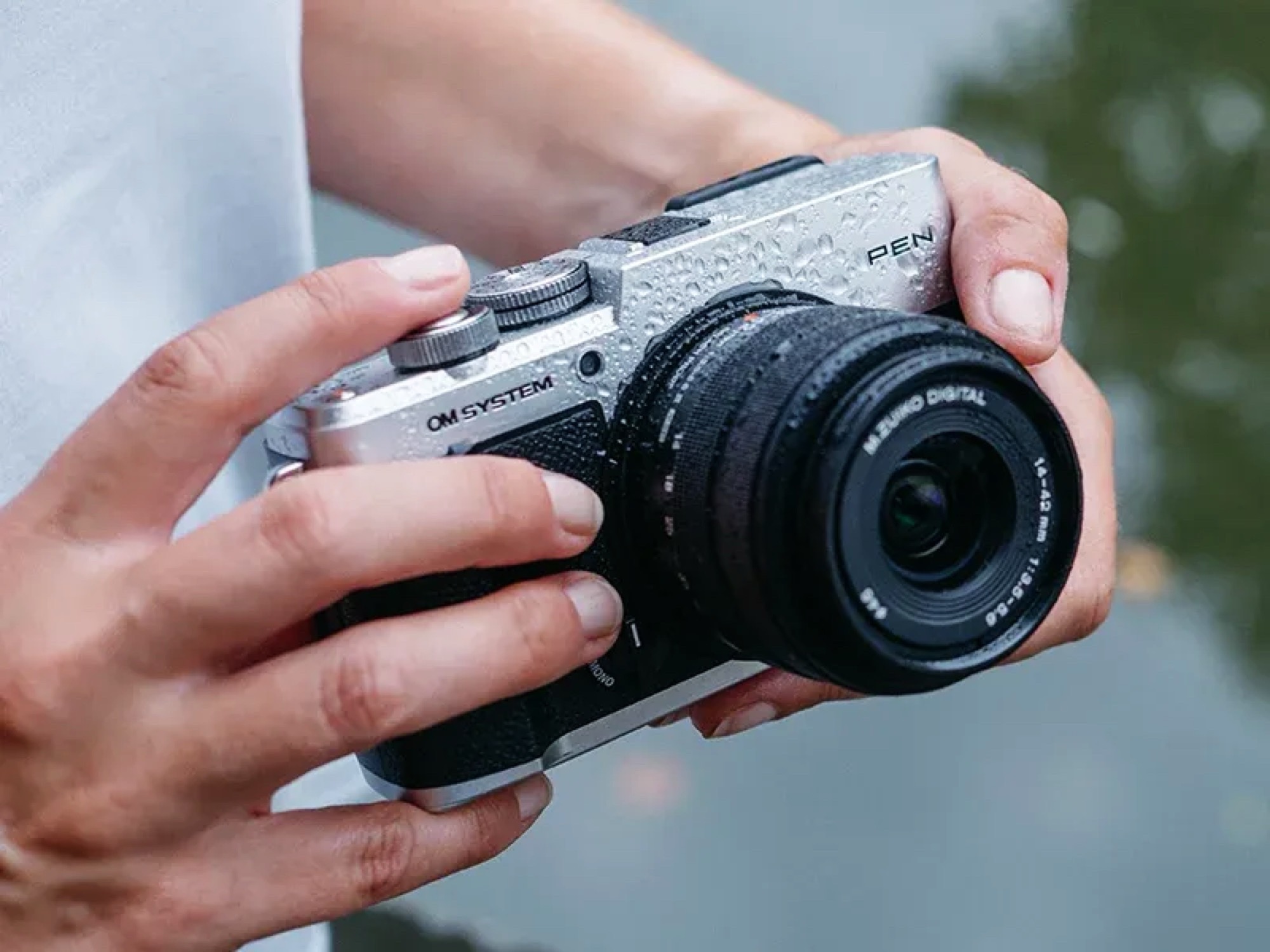
OM System Expected to Upgrade Micro Four Thirds Sensor Technology
Reports suggest OM System is moving toward higher-resolution sensors for its Micro Four Thirds lineup, potentially reaching up to 100 megapixels.
 📰Gadget News
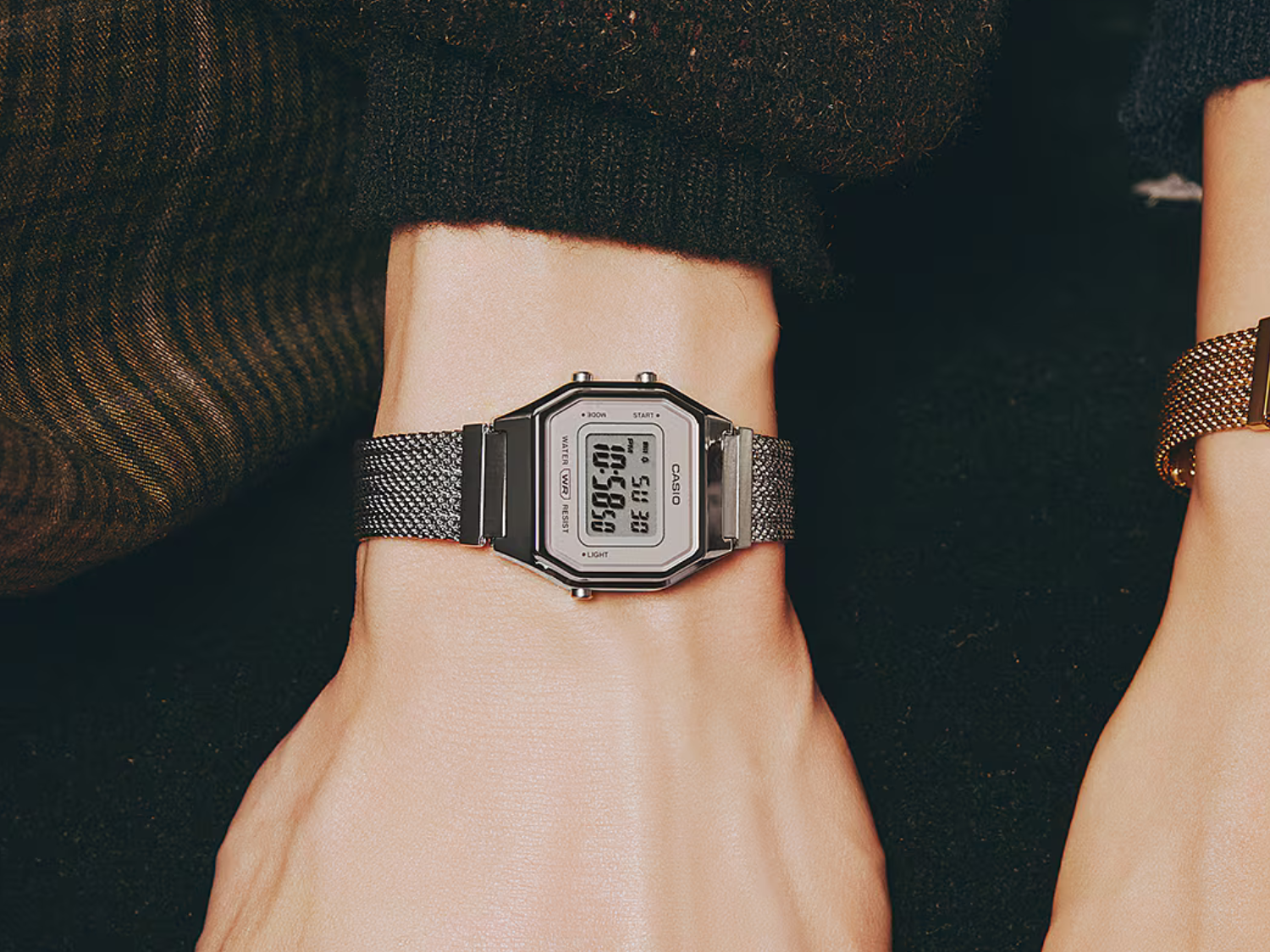
Casio Expands Availability of Mesh-Band LA680 Vintage Watches
Casio has brought its refreshed LA680 vintage digital watch series to the Japanese market, featuring new stainless-steel mesh bands.
 📰Gadget News
Nvidia Reportedly Planning Further GPU Supply Reductions
Rumors suggest Nvidia may decrease gaming GPU shipments by up to 30% through early 2027, potentially driving up prices for consumers.
 📰Gadget News
WhatsApp to Integrate Travel eSIM Purchases Directly Within the App
WhatsApp is launching a new feature allowing users to buy and install international travel eSIMs without leaving the messaging platform.
 📰Gadget News
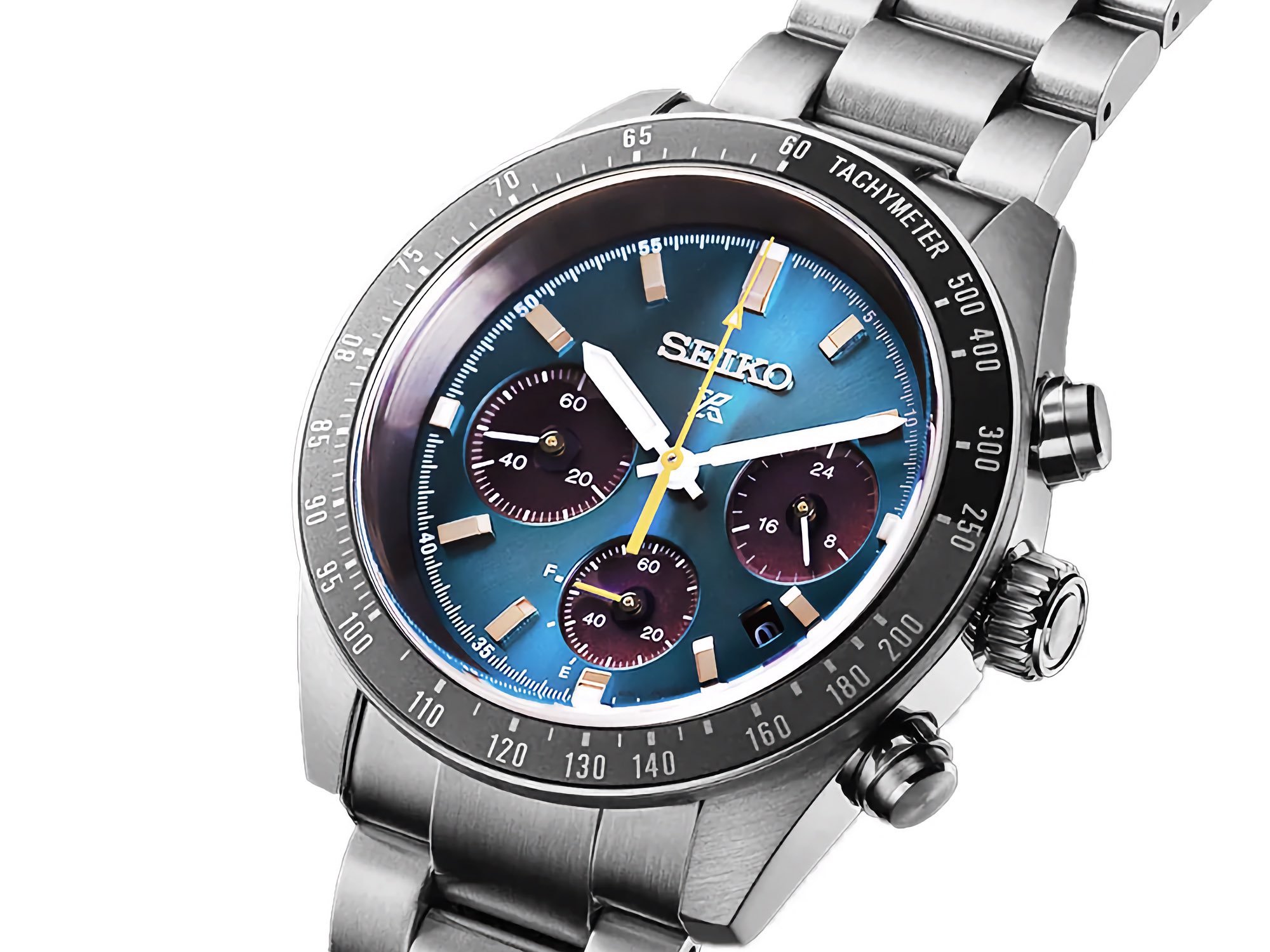
Seiko Launches 7th Philippine Limited Edition Prospex Chronograph
Seiko has unveiled the HBJ006P1, a new limited-edition Prospex chronograph inspired by the Pan-Philippine Highway.