Starlink US Speeds and Network Growth Analyzed in New 2026 Report
A fresh 2026 Speedtest report shows Starlink upload speeds surging across the US despite a rapidly expanding subscriber base, though download performance remains mixed due to cheaper capped plans.
 🧭Buying Guides
Photo: Notebookcheck News
Key points
- National median upload speeds rose 42% to 20.73 Mbps.
- Download speeds increased a modest 12% to 119.71 Mbps nationally, dropping in 16 states due to cheaper capped plans.
- US subscribers reached a significant milestone as 40% now meet FCC broadband benchmarks.
Starlink's performance across the United States is seeing notable shifts as its user base expands, according to data from a new 2026 report comparing the first halves of 2025 and 2026. The most substantial enhancement appeared in upload speeds, where the national median climbed 42 percent to reach 20.73 Mbps. Every single state alongside Washington, D.C., registered gains between 25 and 70 percent, a performance boost largely driven by newer V2 Mini satellites comprising roughly two-thirds of the operational fleet, combined with the absence of an upload speed cap.
Download speeds told a more complicated story, showing a modest 12 percent national median increase to 119.71 Mbps while actually dropping in 16 states and D.C. This dip stems from consumers taking advantage of ongoing monthly promotions to adopt the budget-friendly, speed-capped 100 Mbps plan. Despite this, the proportion of domestic users meeting the Federal Communications Commission broadband benchmark of 100/20 Mbps more than doubled from 18.9 percent to 40 percent. Meanwhile, national latency remained mostly flat, though 49 states and D.C. recorded latency improvements, with jurisdictions boasting a median under 40 ms jumping from 11 to 25.
Geographically, Utah emerged with the fastest Starlink download speeds, whereas the Southeast lagged behind, leaving Florida at the bottom of the list. SpaceX data indicates that roughly nine out of ten new US customers migrated from cable, DSL, or fixed wireless, while urban speed tests surged by 73 percent compared to a 33 percent rise in rural areas. Despite these gains, Starlink's median download speed still trails behind all major fiber providers and the three primary 5G fixed wireless networks, with T-Mobile clocking nearly double Starlink's median performance.
Should you buy it? Starlink suits users in remote areas lacking robust fiber or cable infrastructure, especially now that hardware promotions and cheaper tier options lower the entry barrier, though urban buyers may find faster and cheaper alternatives via local fiber or 5G fixed wireless.
Source Notebookcheck News — notebookcheck.net/Starlink-speeds-rise-even-as-cheaper-fees-boost-a… ↗
Read next
 🧠AI Analysis
Global Microsoft 365 Disruption Impacts Exchange, Teams, and Copilot Services
A widespread Microsoft 365 service disruption continues to affect Exchange Online, Teams, and Copilot users globally, prompting extended email timeout windows as recovery…
 🧠AI Analysis
macXenos Brings Xbox 360 Emulation to Apple Silicon Macs Using Metal
A new open-source emulator named macXenos allows users to run Xbox 360 games on macOS through a native Metal graphics pipeline.
 📰Gadget News
GTA 6 Online Release Window Reportedly Leaked in Bloomberg Video
A recent Bloomberg video indicates that the multiplayer component for GTA 6 might launch roughly a year after the main title arrives.
 🧠AI Analysis
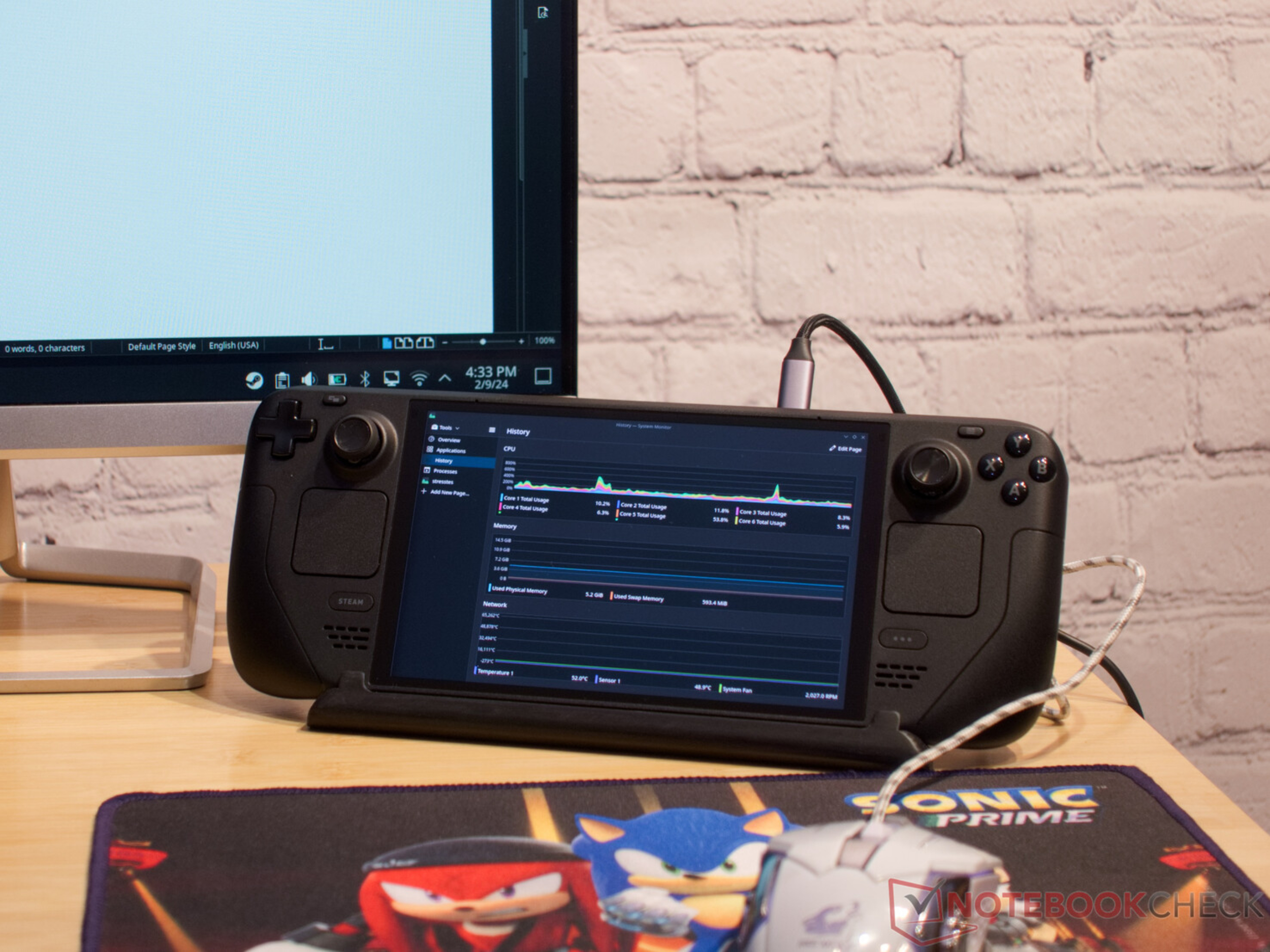
New MAKO 5.0 Plugin Brings Free Frame Generation to Steam Deck Without External Software
The MAKO 5.0 plugin for Steam Deck and Linux introduces MAKO FG, an independent frame generation feature that operates without the previously required Lossless Scaling so…
 🧠AI Analysis
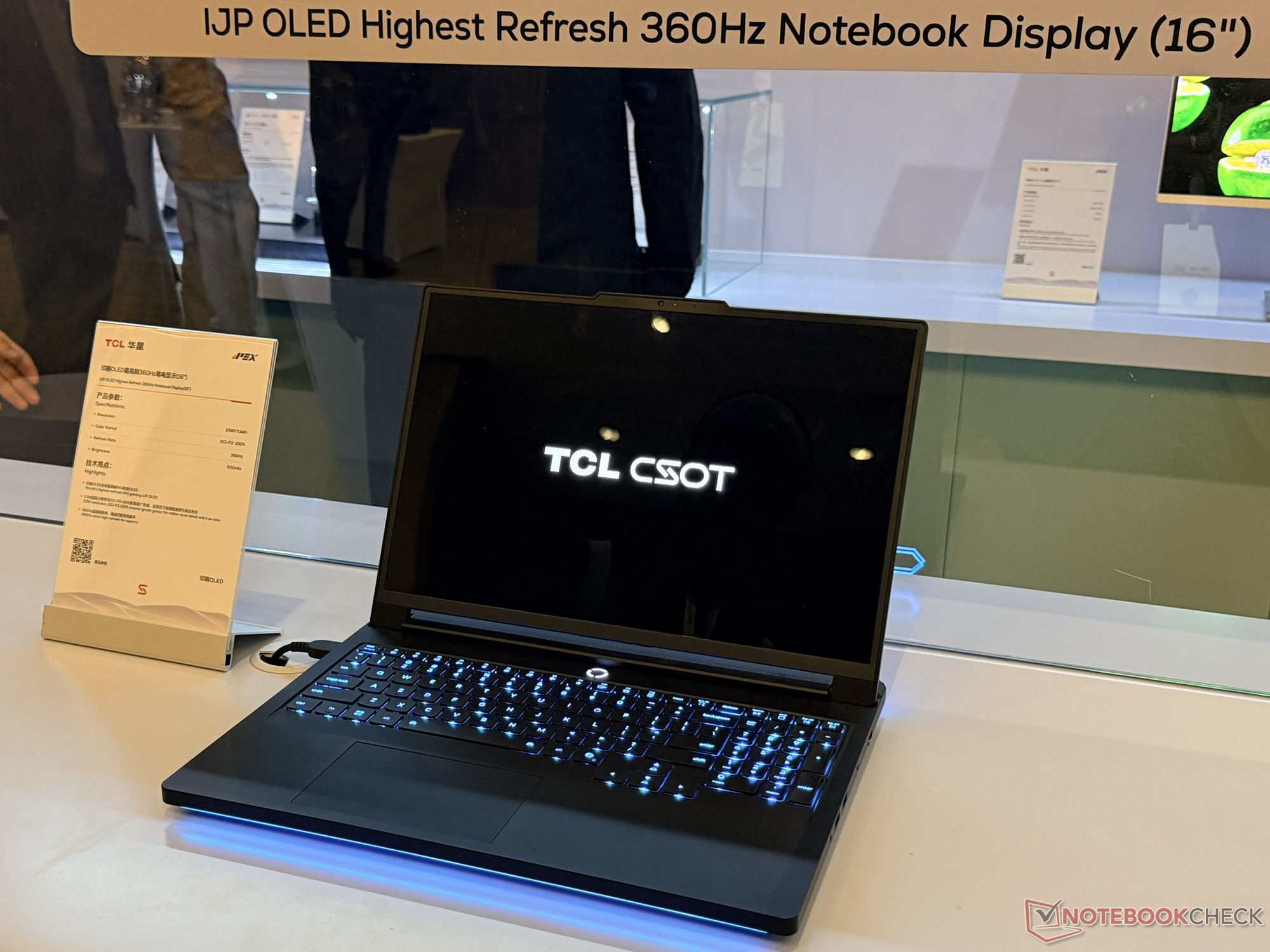
Lenovo Legion Prototype Debuts With 360Hz IJP OLED Panel
Lenovo and TCL CSOT showcased a new Legion gaming laptop prototype featuring a groundbreaking 360Hz inkjet-printed OLED display at the DTC 2026 event.
 🧠AI Analysis
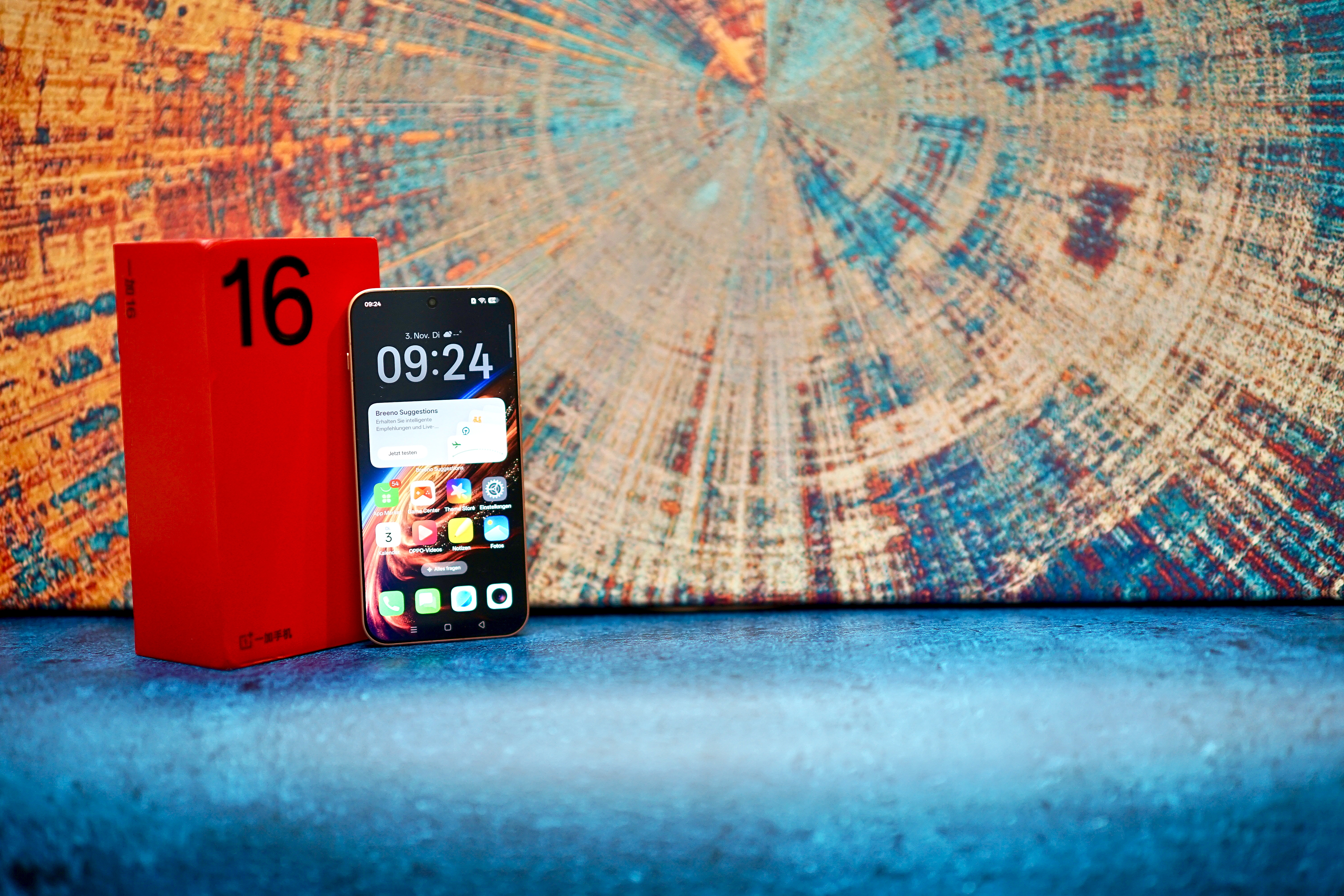
OnePlus 16 Brings Massive Storage and Fast Charging at a Lower Price Point
The OnePlus 16 launches in China starting at US$ 877, delivering flagship-tier performance, high-speed charging, and a 1,024 GB storage option.