The Road to Human Spaceflight Aboard SpaceX’s Starship
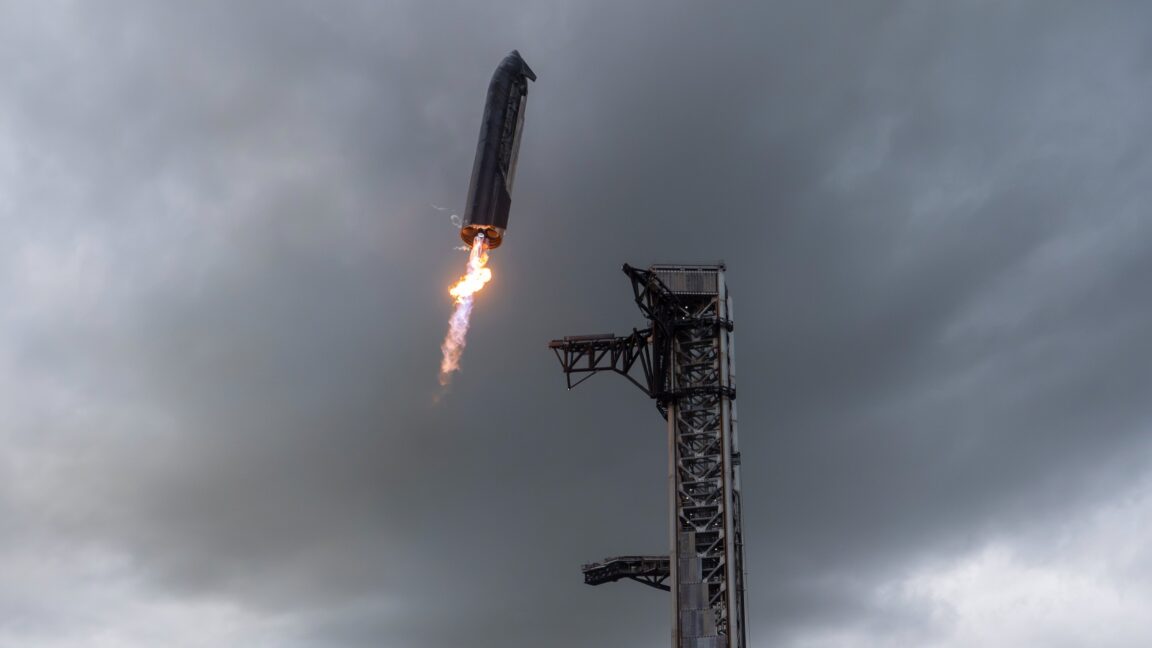
Following the successful tower catch of the Starship rocket, speculation grows regarding when the vehicle will carry human crews. While timelines remain fluid, NASA lunar missions currently represent the most likely path for the first human passengers.
 📰Gadget News
Photo: arstechnica.com
Key points
- SpaceX achieved a successful tower catch, boosting prospects for rapid rocket reusability.
- The first humans to fly on Starship are expected to be NASA astronauts involved in lunar landing missions.
- Regulatory hurdles and the lack of a traditional launch abort system remain key topics for future crewed certifications.
- Internal estimates suggest private flights could begin by 2029, though historical delays make this date uncertain.
The recent successful retrieval of the Starship rocket via a launch tower in South Texas marks a significant milestone for SpaceX, proving the feasibility of rapid reusability. However, this technical achievement has shifted the conversation toward the timeline for human spaceflight. While historical projections have frequently missed their marks, current internal signals suggest that SpaceX may begin offering private flights as early as 2029, though experts advise treating such dates with caution.
The most probable scenario for the first humans to board Starship involves NASA’s lunar program. Under current agreements, astronauts would launch from Earth in an Orion spacecraft, dock with a waiting Starship in orbit, and utilize the vehicle to land on the Moon. Although the initial 2024 target for this lunar landing has been pushed to 2028, the increased launch cadence enabled by recent successes makes a lunar mission before the end of the decade a plausible goal.
A critical factor in the timeline is SpaceX's prioritization of resources. Currently, the company focuses heavily on revenue-generating ventures like Starlink and future data center satellites. Furthermore, while Starship lacks a traditional launch abort system—a standard feature for crewed craft—the regulatory environment for commercial spaceflight relies more on informed consent than the stringent human-rating requirements imposed by NASA. With a pressurized cabin volume that exceeds the International Space Station, the potential for high-capacity human transport remains a significant, albeit distant, prospect.
Should you buy it? This is not a consumer product; however, those following the aerospace industry should monitor the 2028 lunar landing window as the primary indicator of Starship's readiness for human passengers.
Source arstechnica.com — arstechnica.com/space/2026/11/when-will-humans-actually-fly-on-starship/ ↗
Read next
 🏠Smart Home
Modders Unlock Higher Frame Rates for GTA 6 on Jailbroken PS5 Consoles
Modders have successfully bypassed the 30 FPS limit in GTA 6 on jailbroken PlayStation 5 consoles, enabling higher frame rates on supported displays.
 ⌚Wearables
Roborock Announces 2026 Black Friday Promotions on Cleaning Lineup
Roborock has launched its annual Black Friday and Cyber Monday sales event, offering discounts and bundles across its 2026 smart cleaning product range.
 ⌚Wearables
Beats Solo Buds See Significant Price Drop to £39
The Beats Solo Buds are currently available for £39, offering a portable design and cross-platform compatibility at a steep discount.
 🏠Smart Home
Apple Studio Display Sees $200 Price Drop for Black Friday
Amazon is offering a $200 discount on Apple's 27-inch Studio Display, bringing the entry-level price down to $1,399.
 🏠Smart Home
Top Black Friday Gaming Keyboard Deals for Every Setup
Black Friday sales have arrived, offering significant discounts on high-performance gaming keyboards ranging from compact 60% layouts to full-size customizable decks.
 ⌚Wearables
Apple TV’s 12 12 12: A High-Stakes Heist Series with Pacing Issues
Apple TV's new heist thriller, 12 12 12, features a unique three-timeline structure and strong performances from Anthony Mackie and Jamie Dornan, though it struggles to m…