Rice University Researchers Synthesize Graphite Anodes for Four-Minute Battery Charging
Scientists at Rice University have developed a rapid manufacturing method for synthetic graphite that could enable four-minute lithium-ion battery charging. Published in Advanced Materials, the process also slashes production energy and emissions by over 80 percent.
 📰Gadget News
Photo: digitaltrends.com
Key points
- Rice University researchers produced synthetic graphite anodes in 0.2 seconds using electrical pulse heating at 2,500°C.
- Laboratory tests achieved a four-minute full charging rate while maintaining 80% capacity after 1,000 cycles.
- The flash manufacturing method cuts energy use, emissions, and production costs by over 80 percent.
Researchers at Rice University have engineered a new synthetic graphite material that could dramatically shorten lithium-ion battery charging times down to just four minutes. Detailed in a study published in the journal Advanced Materials, the process synthesizes high-performance battery anodes in fractions of a second, addressing both charging speed bottlenecks and high production costs.
Conventional synthetic graphite production requires lengthy, high-temperature heating, making it energy-intensive and expensive. The Rice University team bypassed this by blending petroleum coke—an inexpensive oil refining byproduct—with a small amount of nickel compound. By applying a quick electrical pulse, they flash-heated the mixture to roughly 2,500 degrees Celsius (4,532 degrees Fahrenheit) for just 0.2 seconds. The nickel serves as a temporary structural template, creating wider gaps between carbon layers that allow lithium ions to move far more rapidly during charging.
Laboratory testing revealed that the resulting anode material tolerated ultra-fast charging equivalent to four minutes while retaining 80 percent of its storage capacity after 1,000 charge-and-discharge cycles. Furthermore, over 99 percent of the nickel is removed post-synthesis without losing performance. The researchers estimate this method cuts manufacturing energy use, greenhouse gas emissions, and costs by more than 80 percent compared to standard methods.
While the four-minute charge figure represents controlled laboratory conditions rather than real-world EV performance—where pack design, charging infrastructure, and thermal management play major roles—the technique promises significant structural advantages for future battery manufacturing if successfully scaled.
Source digitaltrends.com — digitaltrends.com/cars/charging-your-ev-in-under-five-minutes-might… ↗
Read next
 📰Gadget News
WhatsApp to Integrate Travel eSIM Purchases Directly Within the App
WhatsApp is launching a new feature allowing users to buy and install international travel eSIMs without leaving the messaging platform.
 📰Gadget News
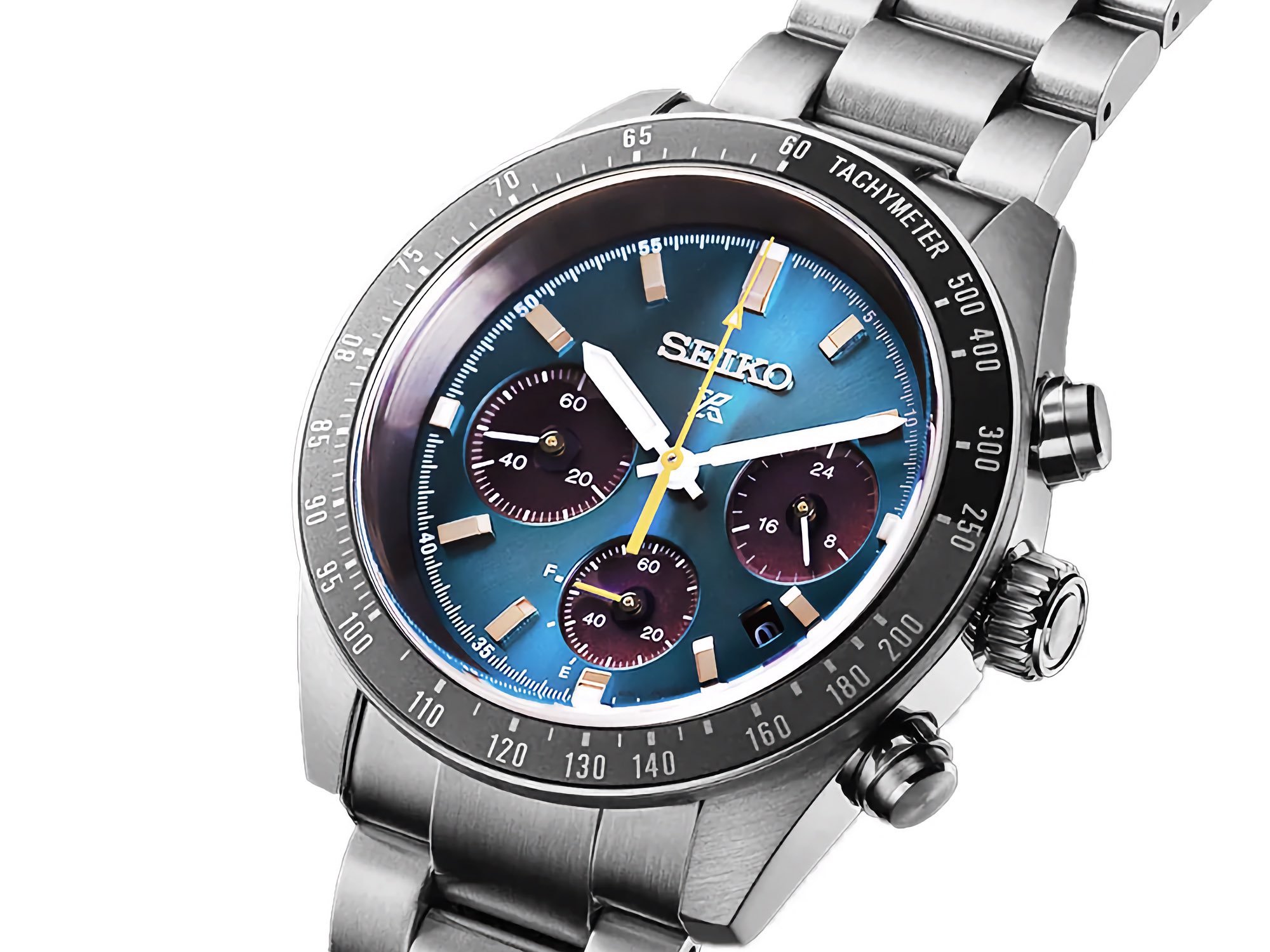
Seiko Launches 7th Philippine Limited Edition Prospex Chronograph
Seiko has unveiled the HBJ006P1, a new limited-edition Prospex chronograph inspired by the Pan-Philippine Highway.
 📰Gadget News
Dreo Whole-Room Heater Discounted for Black Friday
Dreo is offering a discount on its whole-room heater for Black Friday, bringing the price down to $98.
 🏠Smart Home
Modders Unlock Higher Frame Rates for GTA 6 on Jailbroken PS5 Consoles
Modders have successfully bypassed the 30 FPS limit in GTA 6 on jailbroken PlayStation 5 consoles, enabling higher frame rates on supported displays.
 📰Gadget News
Vivo X500s Leaks Point to Custom Dimensity 9600 Pro Chipset
The upcoming Vivo X500s is expected to debut with an enhanced version of the Dimensity 9600 Pro chipset and a high-refresh-rate display.
 📰Gadget News
Black Friday 2026: Notable Android App Discounts and Hardware Deals
As major retailers launch their Black Friday campaigns, consumers can find significant price cuts on Android software and hardware, including Pixel devices and Amazon tab…