New Stanford Cryptography Research Proposes Breakthrough for Bitcoin Privacy and Smart Contracts
A team of researchers from Stanford University and Byzantine Research has published a preprint paper introducing 'Praxis,' a practical witness-encryption scheme aimed at bringing advanced privacy and cross-chain capabilities to Bitcoin.
 📰Gadget News
Photo: gizmodo.com
Key points
- Stanford researchers published a preprint paper titled Praxis detailing a practical witness-encryption scheme for Bitcoin.
- The method reduces ciphertext requirements to 7.88 GiB at 100-bit security, making it runnable on a standard laptop.
- Experts emphasize the need for independent peer review before the technology can be safely implemented for cross-chain bridges and privacy features.
A newly published cryptography preprint titled “Praxis: Practical Witness Encryption for NP” claims to solve a long-standing challenge in blockchain technology, potentially enabling advanced privacy features and complex smart contracts directly on the Bitcoin network without relying on trusted intermediaries. Authored by Stanford University professor David Tse alongside Nikhil Vanjani and Psi Vesely, the paper outlines a method that makes witness encryption practical enough to run on standard consumer hardware like an ordinary laptop.
Witness encryption, a cryptographic concept first introduced in 2013, locks data to a statement rather than a traditional decryption key, allowing anyone who provides a valid solution—known as a witness—to unlock the message. In the context of Bitcoin, this mechanism could enable non-interactive cross-chain transactions and trustless bridges, removing the need for third-party operators when moving funds between different blockchain protocols. While earlier schemes proposed by groups like Alloc Init required impractically large ciphertext sizes reaching hundreds of terabytes, the Praxis paper reports reducing the ciphertext to a much more manageable 7.88 GiB at a 100-bit security level.
Industry experts have responded with cautious optimism, noting that the research still requires rigorous independent peer review. BitVM inventor Robin Linus stated that a successful validation would fundamentally improve Bitcoin bridges by making deposits and withdrawals non-interactive, while pseudonymous developer Super Testnet suggested the advancement could bring Ethereum-like programmability to the network. However, because the work remains in the preprint stage, practical implementation for everyday users is not yet available, and developers continue to scrutinize the foundational mathematics of the scheme.
Source gizmodo.com — gizmodo.com/stanford-professors-crypto-research-could-make-bitcoin-more… ↗
Read next
 🏠Smart Home
Modders Unlock Higher Frame Rates for GTA 6 on Jailbroken PS5 Consoles
Modders have successfully bypassed the 30 FPS limit in GTA 6 on jailbroken PlayStation 5 consoles, enabling higher frame rates on supported displays.
 ⌚Wearables
Roborock Announces 2026 Black Friday Promotions on Cleaning Lineup
Roborock has launched its annual Black Friday and Cyber Monday sales event, offering discounts and bundles across its 2026 smart cleaning product range.
 📰Gadget News
Report: Apple Planning Major Overhaul of iOS Notification System for iOS 28
Apple is reportedly preparing a significant redesign of the iPhone notification experience for the upcoming iOS 28 release. The update aims to address long-standing user …
 📰Gadget News
Steam Festival Highlights Games Created Without Generative AI
A new Steam festival showcases games developed without generative AI, requiring creators to provide proof of their manual production processes.
 ⌚Wearables
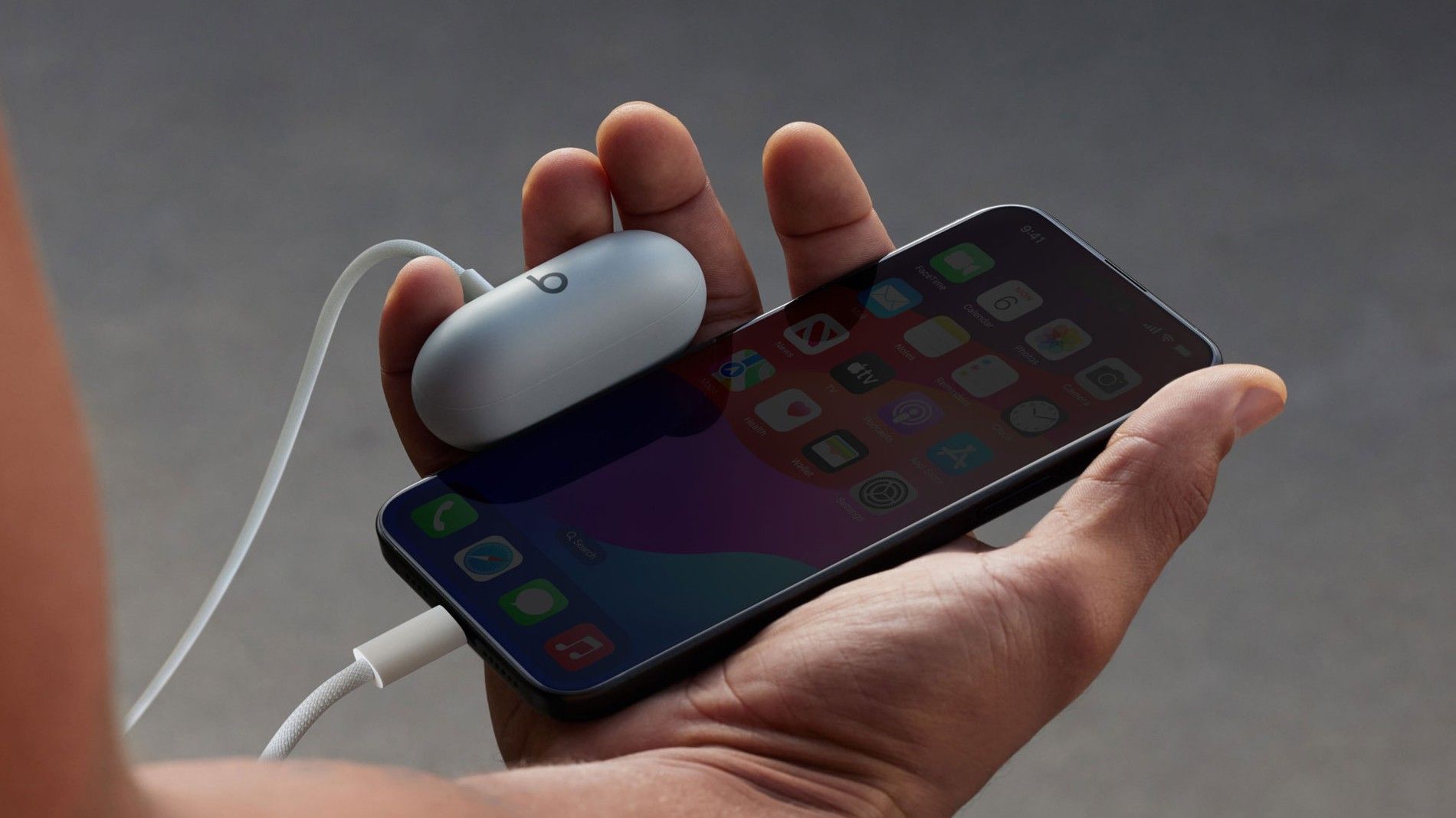
Beats Solo Buds See Significant Price Drop to £39
The Beats Solo Buds are currently available for £39, offering a portable design and cross-platform compatibility at a steep discount.
 🏠Smart Home
Apple Studio Display Sees $200 Price Drop for Black Friday
Amazon is offering a $200 discount on Apple's 27-inch Studio Display, bringing the entry-level price down to $1,399.