Tiny 2.1 brings retro AI to vintage 486 and Pentium MS-DOS systems from a single floppy disk
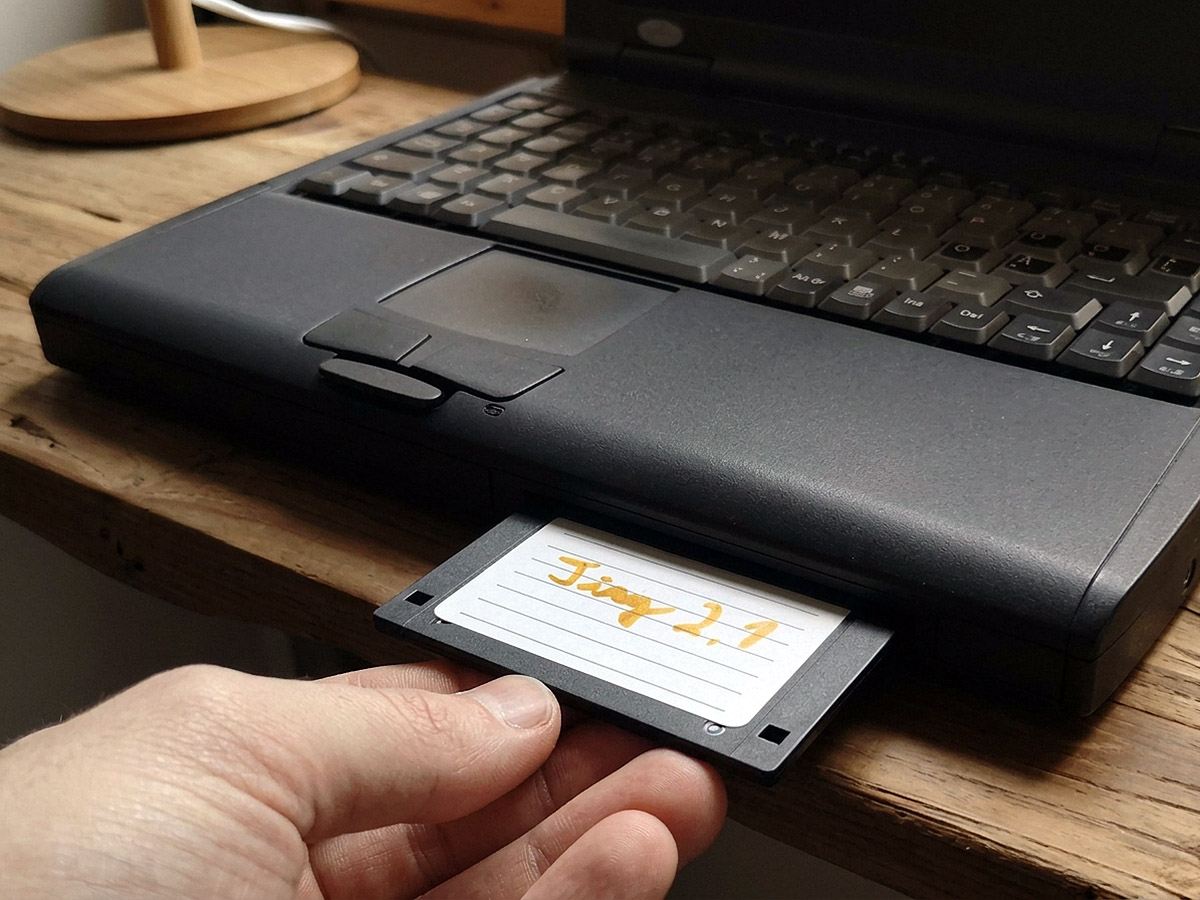
Developer WollyMonjac has released Tiny 2.1, a miniature Q&A chatbot written in Turbo C 2.0 that operates on legacy MS-DOS hardware and fits entirely on a 1.44 MB floppy disk.
 💻Laptops & PCs
Photo: Notebookcheck News
Key points
- Tiny 2.1 is a miniature MS-DOS chatbot fitting on a 1.44 MB floppy disk.
- It targets 486DX and Pentium machines, requiring about 540 KB of conventional memory.
- The model uses 367,000 parameters and was built using Claude tools.
Developer WollyMonjac has introduced Tiny 2.1, a miniature Q&A chatbot built for vintage 486DX and Pentium-class hardware that fits effortlessly onto a single legacy 1.44 MB floppy disk. Written in Turbo C 2.0 and utilizing a transformer architecture, the software relies on a 4-layer network featuring 367,000 parameters and a hidden dimension of 96. Its weights use 8-bit integers, totaling roughly 380 KB, while the entire program takes up about 435 KB of space and requires around 540 KB of free conventional memory to execute properly.
Rather than functioning as a massive language model, Tiny 2.1 was created using Claude Fable 5.2 to write the transformer code, with Opus 5.5 generating a dataset of over 3,500 facts, basic math, and conversational snippets. The interface offers strong MS-DOS nostalgia complete with a conversation history panel, a neural network monitor, function-key shortcuts, and robotic audio output delivered straight through the PC speaker. Users can download the ZIP package directly from GitHub to run the software on an MS-DOS emulator or physical vintage hardware, and the MIT-licensed training scripts allow for custom dataset generation.
Should you try it? For retro computing enthusiasts, museum exhibits, or quirky laboratory demonstrations, Tiny 2.1 provides a remarkably clever nod to computing history, though users should expect hallucinations when posing complex or unfamiliar questions.
AI assessment: This project bridges early computing nostalgia with modern artificial intelligence concepts in a lightweight package. While it lacks the broad utility of contemporary large language models, it serves as a fascinating proof-of-concept for running neural networks on severely resource-constrained legacy hardware. Such experiments highlight the versatility of transformer architectures and offer creative avenues for educational displays and retro tech hobbies.
Source Notebookcheck News — notebookcheck.net/Tiny-AI-runs-on-486-DOS-PCs-from-a-floppy-disk.14… ↗
Read next
 📰Gadget News
Judge Orders Apple to Release Document Sample in Epic Games Dispute
A federal magistrate judge has mandated that Apple provide a sample of 3,200 documents to Epic Games following allegations of improper withholding of discovery materials.
 📰Gadget News
Meta Faces Legal Challenge Over Ray-Ban Smart Glasses in the Netherlands
Dutch consumer groups are seeking a ban on Meta’s AI-powered smart glasses, citing concerns over unauthorized recording and privacy violations.
 📰Gadget News
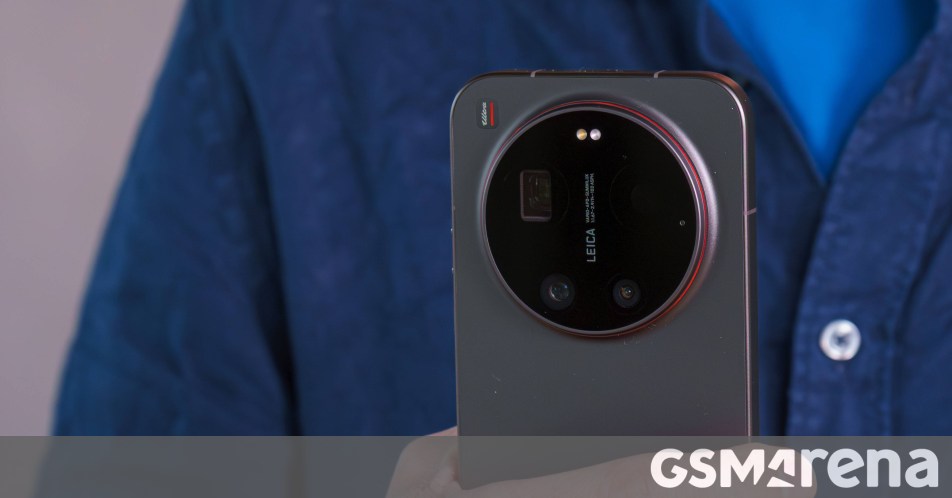
Xiaomi 17 Ultra Receives HyperOS 4 Update
The Xiaomi 17 Ultra is now receiving the HyperOS 4 update, introducing a refreshed design language and enhanced system performance.
 📰Gadget News
Ruko F11PRO 2 Plus Drone Discounted for Black Friday
Amazon has reduced the price of the Ruko F11PRO 2 Plus drone by $160, bringing the current cost down to $639.99.
 📰Gadget News
XPeng unveils IRON humanoid robot with plans for public launch by 2027
Electric vehicle manufacturer XPeng has introduced its new humanoid robot, IRON, targeting a commercial debut in 2027 with a price point comparable to an entry-level EV.
 📰Gadget News
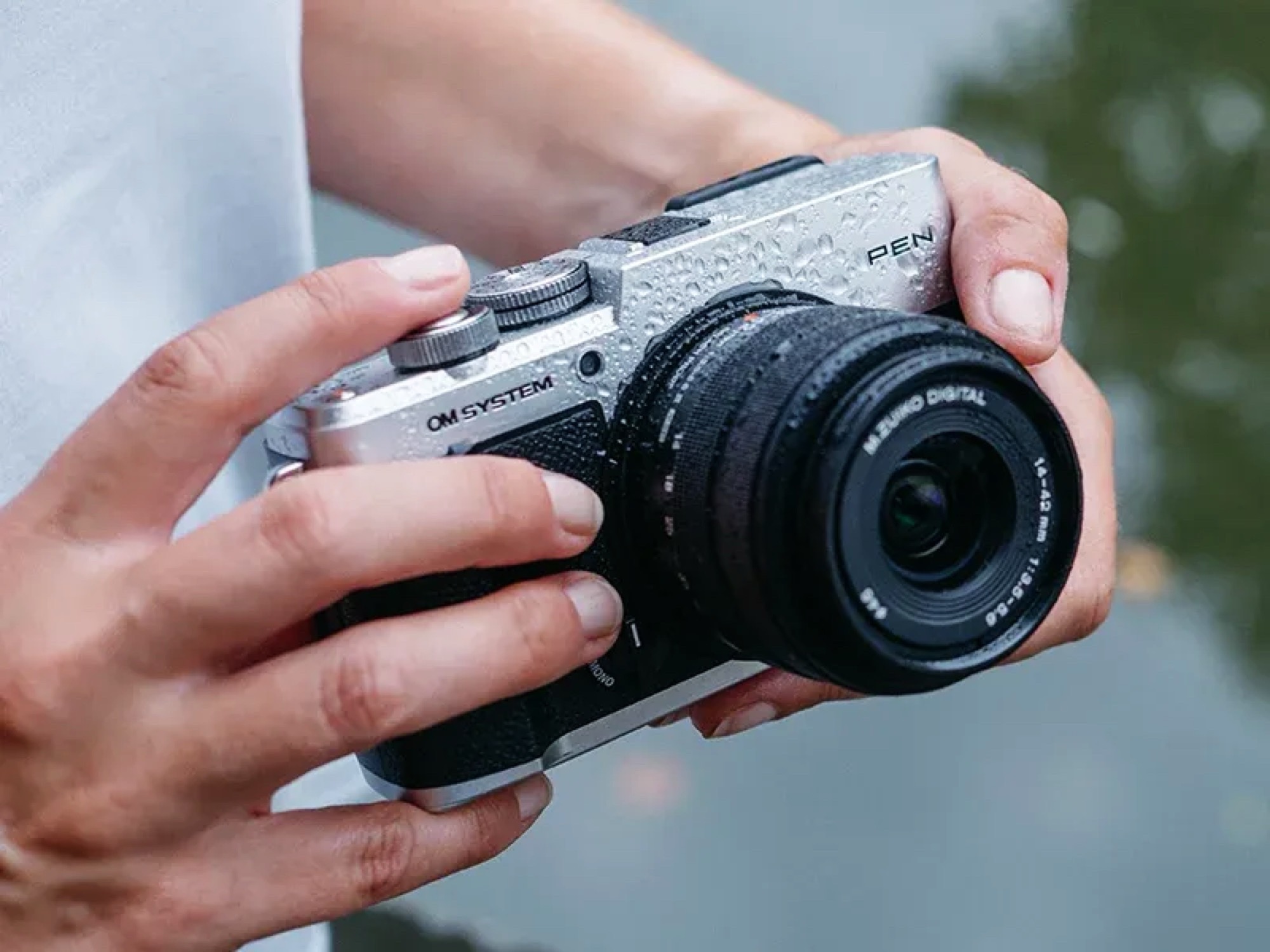
OM System Expected to Upgrade Micro Four Thirds Sensor Technology
Reports suggest OM System is moving toward higher-resolution sensors for its Micro Four Thirds lineup, potentially reaching up to 100 megapixels.