New Test-Time Adaptation Framework Threatens to Neutralize AI Text 'Humanizers'
Researchers from Cornell Tech and MIT have introduced a self-learning AI detection framework that significantly outperforms traditional tools like Pangram by adapting to new text in real-time.
 📱Phones
Photo: digitaltrends.com
Key points
- Cornell Tech and MIT researchers developed a test-time adaptation (TTA) framework for AI detection.
- The TTA system evaluates batches of text simultaneously to spot machine-generated uniformity.
- In testing, the adaptive framework caught 93.3% of humanized AI text compared to 27% for Pangram.
The reliability of artificial intelligence text detectors has long been plagued by static training data, false positives, and the proliferation of third-party 'humanizer' tools designed to mask machine-generated phrasing. Traditional utilities such as GPTZero and Pangram struggle to keep pace with newer large language models and customized style-matching tweaks. To combat this limitation, a joint research team from Cornell Tech and MIT has developed a dynamic approach leveraging test-time adaptation (TTA), allowing detection systems to evolve continuously rather than relying solely on historical datasets.
Unlike standard static detectors that evaluate individual passages in complete isolation, the TTA-powered framework analyzes broad batches of text simultaneously. By scanning a collection of essays or documents together, the system identifies underlying patterns of uniformity—referred to as inference-time homogeneity—that are typical of machine output. Furthermore, the framework automatically updates its decision boundaries using each newly evaluated batch as fresh training input, allowing the utility to maintain high accuracy even when processing text generated by previously unseen language models.
During rigorous comparative evaluations against established commercial benchmarks, the self-learning framework demonstrated a stark advantage over traditional software. When exposed to disguised AI text processed through third-party humanizer utilities, Pangram successfully identified only 27 percent of the submissions, whereas the TTA-based framework achieved a detection rate of 93.3 percent. Similarly, when tested against newer language models introduced in March, the adaptive system consistently caught between 87 percent and 94 percent of machine-authored content, proving far more resilient to shifting linguistic patterns over time.
Source digitaltrends.com — digitaltrends.com/cool-tech/ai-text-detectors-are-held-back-by-thei… ↗
Read next
 📰Gadget News
XPeng unveils IRON humanoid robot with plans for public launch by 2027
Electric vehicle manufacturer XPeng has introduced its new humanoid robot, IRON, targeting a commercial debut in 2027 with a price point comparable to an entry-level EV.
 📰Gadget News
OM System Expected to Upgrade Micro Four Thirds Sensor Technology
Reports suggest OM System is moving toward higher-resolution sensors for its Micro Four Thirds lineup, potentially reaching up to 100 megapixels.
 📰Gadget News
Casio Expands Availability of Mesh-Band LA680 Vintage Watches
Casio has brought its refreshed LA680 vintage digital watch series to the Japanese market, featuring new stainless-steel mesh bands.
 📰Gadget News
Nvidia Reportedly Planning Further GPU Supply Reductions
Rumors suggest Nvidia may decrease gaming GPU shipments by up to 30% through early 2027, potentially driving up prices for consumers.
 📰Gadget News
WhatsApp to Integrate Travel eSIM Purchases Directly Within the App
WhatsApp is launching a new feature allowing users to buy and install international travel eSIMs without leaving the messaging platform.
 📰Gadget News
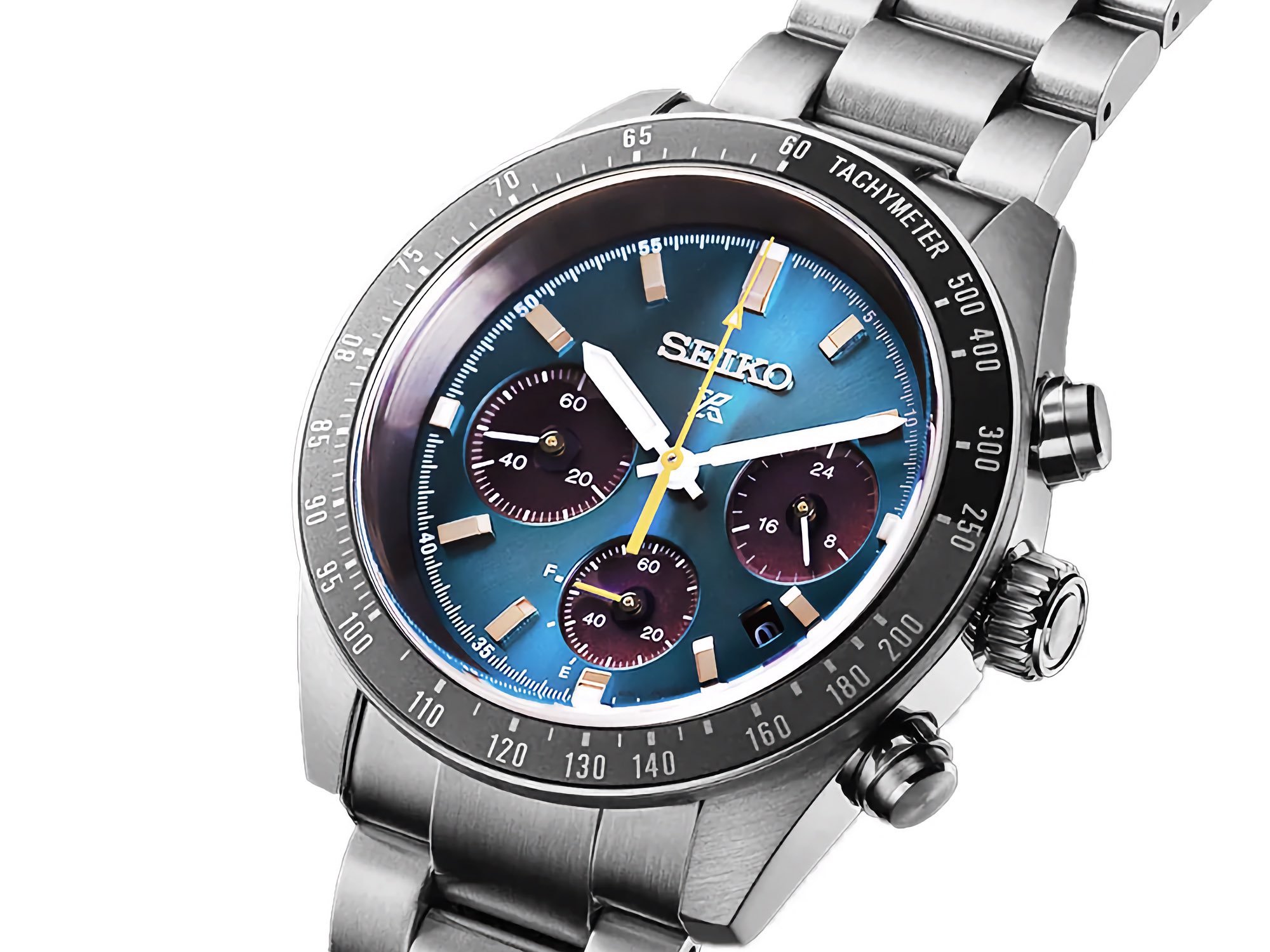
Seiko Launches 7th Philippine Limited Edition Prospex Chronograph
Seiko has unveiled the HBJ006P1, a new limited-edition Prospex chronograph inspired by the Pan-Philippine Highway.