Transitioning to a Local Smart Home: A Guide to Cutting Cloud Dependencies
Moving your smart home to a local-only setup using Home Assistant and Zigbee2MQTT eliminates cloud latency and vendor lock-in. This approach prioritizes privacy and reliability by keeping device control within your local network.
 🏠Smart Home
Photo: Google News: Smart Home
Key points
- Use a dedicated mini PC for local hosting to eliminate cloud latency.
- A Zigbee coordinator with a USB extension cable is necessary for a stable mesh network.
- Consult the Zigbee2MQTT device catalog before migrating to ensure full feature compatibility.
- Mains-powered devices act as essential signal routers for battery-operated sensors.
Migrating to a completely local smart home ecosystem is an effective way to bypass the frustrations of proprietary cloud apps, such as server latency and unpredictable API changes. By utilizing a dedicated mini PC to run Home Assistant and Zigbee2MQTT, users can establish a robust, offline control center that functions independently of external internet access.
Building the Local Infrastructure
The foundation of this setup requires a reliable hardware host, such as a mini PC, to act as the system's brain. A critical component is the Zigbee coordinator, which manages the communication mesh across your home. To ensure optimal performance, it is recommended to use a USB extension cable for the coordinator to minimize radio-frequency interference from USB 3.0 ports. Additionally, an MQTT broker, like Eclipse Mosquitto, is essential for routing messages between your Zigbee devices and the Home Assistant interface.
Establishing a Stable Mesh
Before decommissioning existing cloud-based apps, it is vital to build a strong Zigbee mesh network. Mains-powered devices, such as smart plugs and hardwired switches, serve as routers that extend the network's reach for battery-powered sensors. Before resetting devices, check the Zigbee2MQTT compatibility catalog to ensure your hardware is supported and verify which specific features, such as power monitoring, will be accessible.
Should you buy it? This project is ideal for power users who value data privacy and system reliability over the plug-and-play convenience of commercial smart home platforms.
Source Google News: Smart Home — xda-developers.com/replaced-proprietary-iot-cloud-apps-with-home-as… ↗
Read next
 📰Gadget News
Judge Orders Apple to Release Document Sample in Epic Games Dispute
A federal magistrate judge has mandated that Apple provide a sample of 3,200 documents to Epic Games following allegations of improper withholding of discovery materials.
 📰Gadget News
Meta Faces Legal Challenge Over Ray-Ban Smart Glasses in the Netherlands
Dutch consumer groups are seeking a ban on Meta’s AI-powered smart glasses, citing concerns over unauthorized recording and privacy violations.
 📰Gadget News
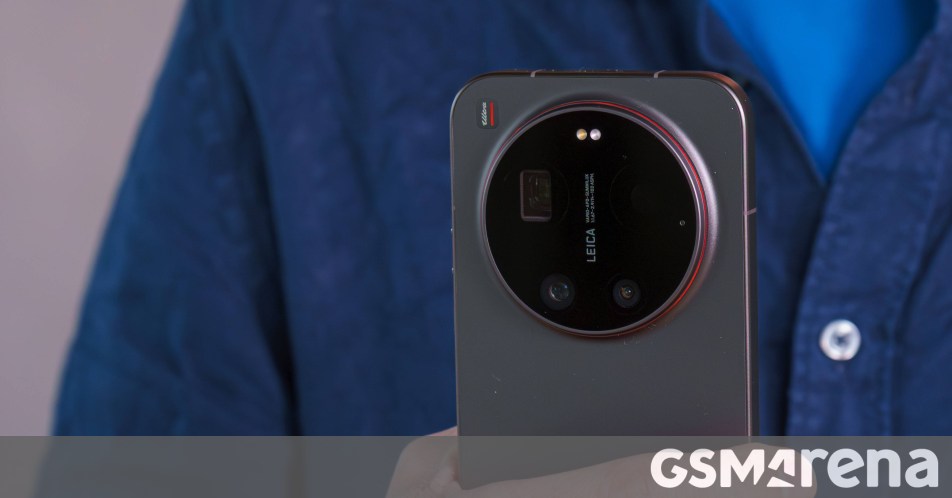
Xiaomi 17 Ultra Receives HyperOS 4 Update
The Xiaomi 17 Ultra is now receiving the HyperOS 4 update, introducing a refreshed design language and enhanced system performance.
 📰Gadget News
Ruko F11PRO 2 Plus Drone Discounted for Black Friday
Amazon has reduced the price of the Ruko F11PRO 2 Plus drone by $160, bringing the current cost down to $639.99.
 📰Gadget News
XPeng unveils IRON humanoid robot with plans for public launch by 2027
Electric vehicle manufacturer XPeng has introduced its new humanoid robot, IRON, targeting a commercial debut in 2027 with a price point comparable to an entry-level EV.
 📰Gadget News
OM System Expected to Upgrade Micro Four Thirds Sensor Technology
Reports suggest OM System is moving toward higher-resolution sensors for its Micro Four Thirds lineup, potentially reaching up to 100 megapixels.