Educational Institutions Face Scrutiny Over Flock Safety Camera Deployments
High schools and universities are reconsidering their use of Flock Safety license plate readers following student protests and privacy concerns.
 🧠AI Analysis
Photo: cnet.com
Key points
- Universities and high schools are reviewing or canceling contracts with Flock Safety.
- Student activism has driven policy changes at institutions like Stanford and Cornell.
- Legal and privacy experts cite concerns over data retention policies and potential misuse.
Educational institutions across the country are facing mounting pressure regarding the deployment of surveillance hardware on their grounds. Following a broader public pushback against surveillance tools in municipalities like Los Angeles and Dayton, Ohio, high schools and universities are re-evaluating whether the security benefits provided by companies like Flock Safety outweigh significant privacy compromises.
Student Activism and Institutional Shifts
Student-led resistance has successfully altered surveillance policies at several prominent universities. Coalitions at institutions including Cornell, Emory, Penn State, and Stanford have pressured administrations to sever ties with Flock Safety. Notably, Stanford transitioned to an alternative system from Genetec that limits data storage to an hour and blocks third-party sharing. Similar opposition has emerged at the University of Iowa, where a substantial petition was presented to campus police, and the University of Kentucky, where student groups actively chanted against the technology.
Privacy Concerns and Legal Perspectives
Flock Safety, alongside industry peers such as Axon Enterprise, Motorola Solutions, and Palantir Technologies, provides automated license plate reader systems to law enforcement and security agencies. While the Atlanta-based company maintains that its cameras capture brief point-in-time images without utilizing facial recognition or identifying vehicle occupants, critics and legal experts point to potential vulnerabilities.
- Data Retention: Questions remain regarding how long schools and police retain collected location histories.
- Third-Party Sharing: Activists worry about data sharing and potential misuse by law enforcement workers.
- Unique Campus Dynamics: Attorney Amy Peikoff of the Pacific Legal Foundation notes that educational environments involve minors, resident students, and complex state-specific privacy laws.
Although courts generally permit the collection of this specific data type, critics argue that maintaining extensive queryable location databases without individualized suspicion creates severe risks for abuse and potential constitutional concerns.
Source cnet.com — cnet.com/news/privacy/school-campuses-flock-safety-cameras/ ↗
Read next
 📰Gadget News
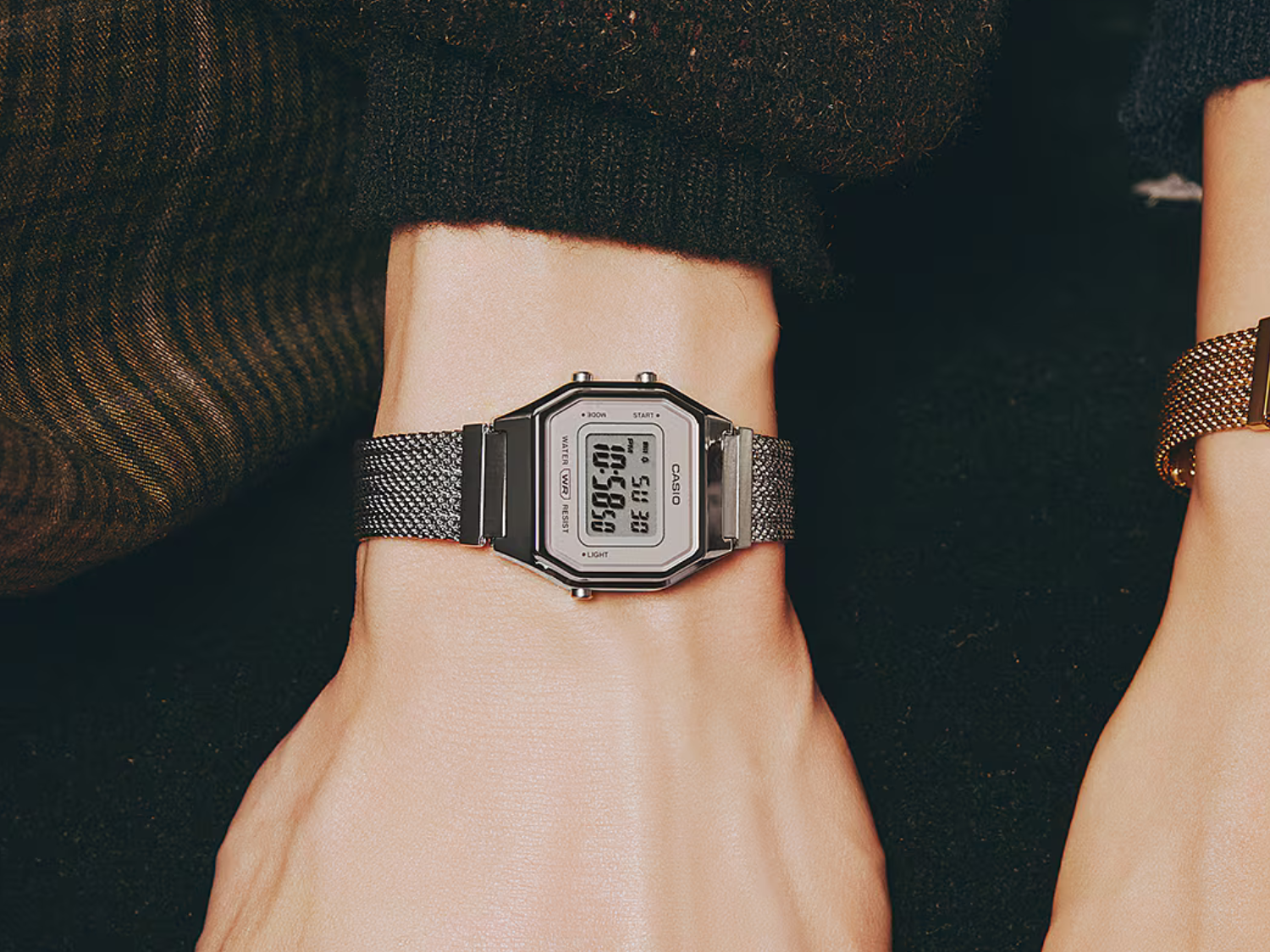
Casio Expands Availability of Mesh-Band LA680 Vintage Watches
Casio has brought its refreshed LA680 vintage digital watch series to the Japanese market, featuring new stainless-steel mesh bands.
 📰Gadget News
Seiko Launches 7th Philippine Limited Edition Prospex Chronograph
Seiko has unveiled the HBJ006P1, a new limited-edition Prospex chronograph inspired by the Pan-Philippine Highway.
 🏠Smart Home
Modders Unlock Higher Frame Rates for GTA 6 on Jailbroken PS5 Consoles
Modders have successfully bypassed the 30 FPS limit in GTA 6 on jailbroken PlayStation 5 consoles, enabling higher frame rates on supported displays.
 📰Gadget News
Vivo X500s Leaks Point to Custom Dimensity 9600 Pro Chipset
The upcoming Vivo X500s is expected to debut with an enhanced version of the Dimensity 9600 Pro chipset and a high-refresh-rate display.
 📰Gadget News
Google Addresses Memory Issues Caused by Gemini in Chrome
Google has officially confirmed a fix for a bug that caused the Gemini web interface to consume excessive amounts of RAM in the Chrome browser.
 📰Gadget News
NVIDIA Halts AI Server Shipments to Key Southeast Asian Markets
NVIDIA has reportedly paused shipments of AI server hardware to Malaysia, Singapore, Thailand, and Indonesia amid tightening US export controls.