Oura Introduces Jet Lag Plan to Help Ring Users Adjust Across Time Zones
Oura has launched a new Jet Lag Plan feature for its Gen 3 and newer rings, utilizing individual sleep data and travel itineraries to minimize traveler fatigue.
 🧠AI Analysis
Photo: ZDNet Reviews
Key points
- Oura released Jet Lag Plan for Gen 3 rings and newer to combat travel fatigue.
- The software builds custom itineraries based on sleep patterns, chronotypes, and travel purpose.
- Users receive automated prompts regarding light exposure, caffeine intake, and sleep timing for trips crossing three or more time zones.
Smart ring manufacturer Oura has rolled out a software tool called Jet Lag Plan, aiming to help frequent flyers manage fatigue when crossing multiple time zones. Rolled out ahead of the busy holiday travel period, the feature is available to members using the Oura Ring Gen 3 or later.
To build a customized schedule, users input their flight itinerary—including multi-stop routes—and the purpose of their journey, distinguishing between a business trip and a vacation. The algorithm then combines these travel specifics with historical sleep patterns and the user's specific chronotype, which categorizes individuals into one of six sleep categories. Because of these personalized inputs, two passengers on the exact same flight will receive different sets of recommendations.
Once activated for trips crossing three or more time zones, the software issues timely prompts regarding optimal windows for light exposure, caffeine intake, and sleep preparation. Members can manually check off completed tasks or consult the Oura Advisor tool if itineraries change. Users can access the feature by tapping the plus icon on the home screen or via the Oura Advisor.
AI assessment: As wearable health tech matures, companies increasingly focus on proactive lifestyle interventions rather than passive health tracking. Integrating complex biometric chronotypes with real-world travel logistics demonstrates how hardware makers are trying to retain users through continuous software value-adds. However, the long-term effectiveness of algorithmic light and caffeine schedules will depend heavily on individual compliance during high-stress travel scenarios.
Source ZDNet Reviews — zdnet.com/tech/oura-jet-lag-plan/ ↗
Read next
 📰Gadget News
Judge Orders Apple to Release Document Sample in Epic Games Dispute
A federal magistrate judge has mandated that Apple provide a sample of 3,200 documents to Epic Games following allegations of improper withholding of discovery materials.
 📰Gadget News
Meta Faces Legal Challenge Over Ray-Ban Smart Glasses in the Netherlands
Dutch consumer groups are seeking a ban on Meta’s AI-powered smart glasses, citing concerns over unauthorized recording and privacy violations.
 📰Gadget News
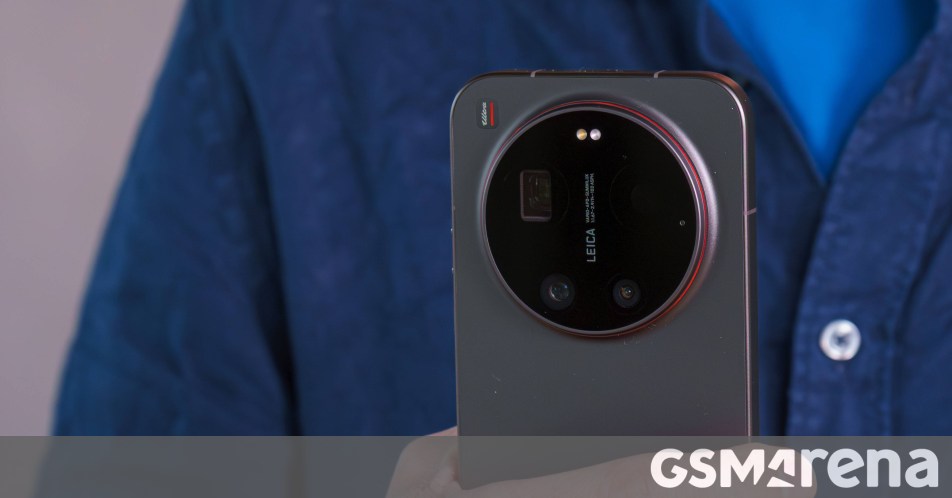
Xiaomi 17 Ultra Receives HyperOS 4 Update
The Xiaomi 17 Ultra is now receiving the HyperOS 4 update, introducing a refreshed design language and enhanced system performance.
 📰Gadget News
Ruko F11PRO 2 Plus Drone Discounted for Black Friday
Amazon has reduced the price of the Ruko F11PRO 2 Plus drone by $160, bringing the current cost down to $639.99.
 📰Gadget News
XPeng unveils IRON humanoid robot with plans for public launch by 2027
Electric vehicle manufacturer XPeng has introduced its new humanoid robot, IRON, targeting a commercial debut in 2027 with a price point comparable to an entry-level EV.
 📰Gadget News
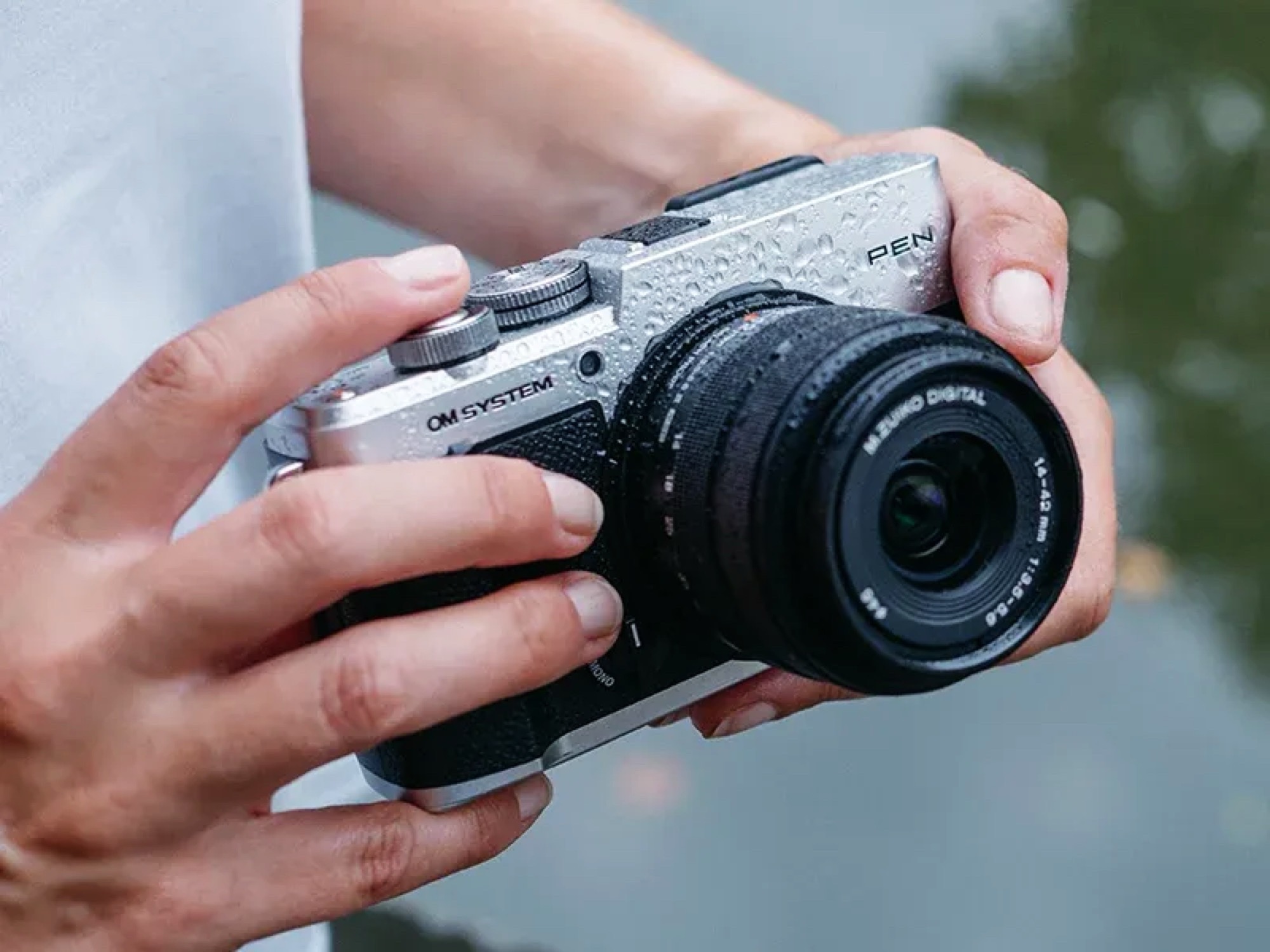
OM System Expected to Upgrade Micro Four Thirds Sensor Technology
Reports suggest OM System is moving toward higher-resolution sensors for its Micro Four Thirds lineup, potentially reaching up to 100 megapixels.