Nvidia Export Controversy Triggers White House Strategy Shift on China Chip Sales
President Donald Trump is defending Commerce Secretary Howard Lutnick amid a political fallout involving former Nvidia CEO Jensen Huang and advanced chip exports to China.
 🧠AI Analysis
Photo: wired.com
Key points
- President Trump defended Commerce Secretary Howard Lutnick amid political fallout tied to Nvidia chip distribution.
- Megaspeed acquired advanced Nvidia hardware through intermediary channels linked to the blacklisted Chinese conglomerate Inspur.
- The White House is introducing an interim trade rule to curb remote computing access for Chinese AI labs via Southeast Asian data centers.
President Donald Trump has stepped forward to defend Commerce Secretary Howard Lutnick following intense political fallout. The friction arose after reports surrounding former Nvidia CEO Jensen Huang and an affair with Alice Huang, a former Megaspeed executive suspected by US officials of acting as a Chinese intelligence asset. Treasury Secretary Scott Bessent previously criticized Lutnick for moving too slowly on export restrictions regarding advanced artificial intelligence hardware to China.
During an Oval Office discussion on November 5, Bessent confronted Lutnick over why Megaspeed was not promptly added to the government entity list. Megaspeed had previously acquired advanced Nvidia AI chips via a complex network of intermediaries, beginning with a subsidiary of the blacklisted Chinese server conglomerate Inspur. Lutnick defended his cautious stance by noting that he deferred to presidential directives and feared triggering broader trade escalations, particularly after previous restrictions on Chinese affiliates led to retaliatory suspensions of critical rare earth metal exports to the United States.
Rather than adopting immediate blacklists, Trump opted for a new interim trade regulation directed by Lutnick. This upcoming rule aims to prevent Chinese artificial intelligence laboratories from accessing advanced hardware remotely by leasing computing power via data centers located in Southeast Asia. White House officials emphasized that while older architectures like Hopper-based H200 chips reached firms like Megaspeed, top-tier Blackwell and Rubin processors remain strictly shielded from acquisition by Chinese enterprises.
Source wired.com — wired.com/story/the-nvidia-scandal-is-about-chip-sales-to-china-tru… ↗
Read next
 📰Gadget News
Casio Expands Availability of Mesh-Band LA680 Vintage Watches
Casio has brought its refreshed LA680 vintage digital watch series to the Japanese market, featuring new stainless-steel mesh bands.
 📰Gadget News
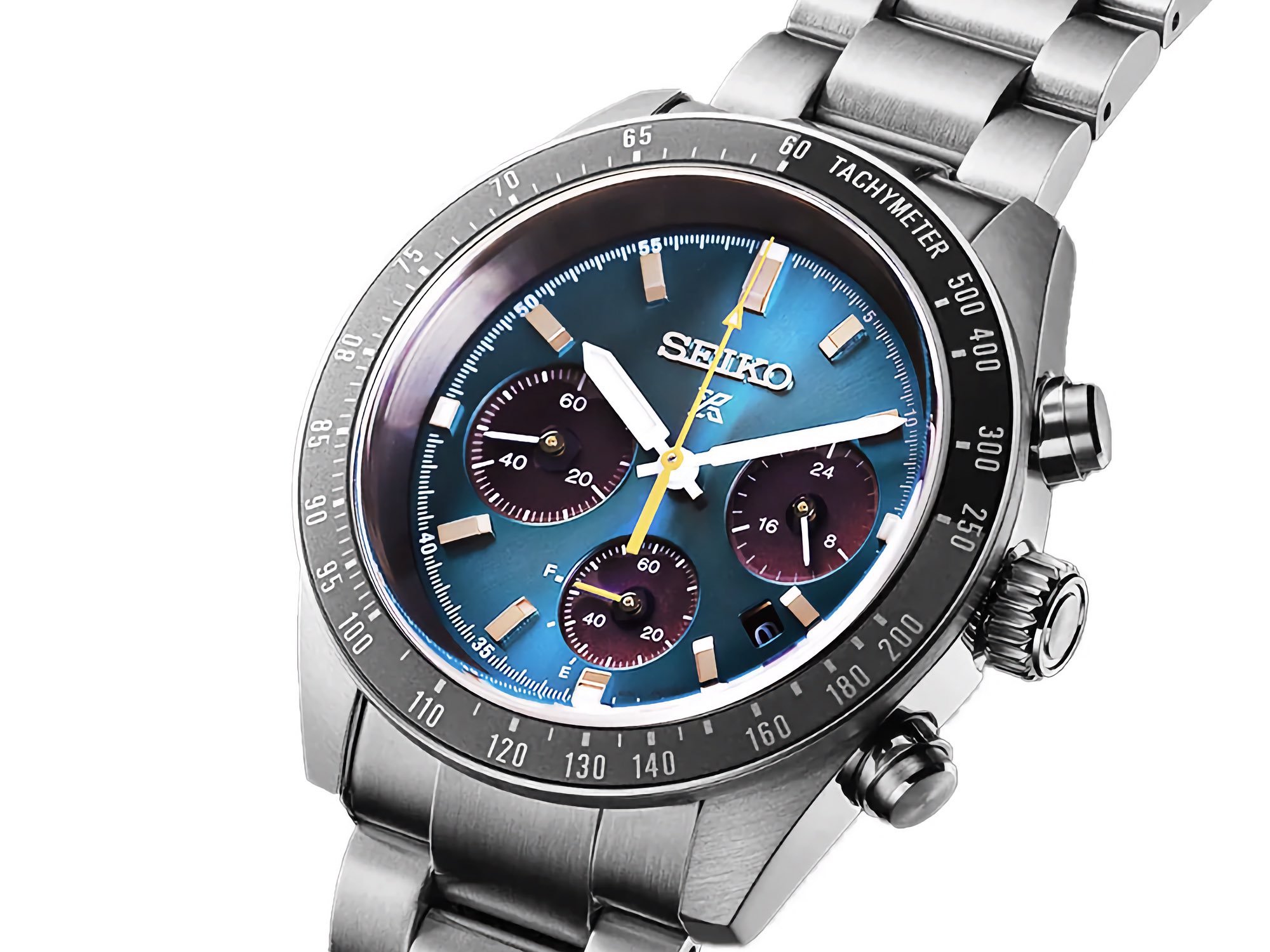
Seiko Launches 7th Philippine Limited Edition Prospex Chronograph
Seiko has unveiled the HBJ006P1, a new limited-edition Prospex chronograph inspired by the Pan-Philippine Highway.
 🏠Smart Home
Modders Unlock Higher Frame Rates for GTA 6 on Jailbroken PS5 Consoles
Modders have successfully bypassed the 30 FPS limit in GTA 6 on jailbroken PlayStation 5 consoles, enabling higher frame rates on supported displays.
 📰Gadget News
Vivo X500s Leaks Point to Custom Dimensity 9600 Pro Chipset
The upcoming Vivo X500s is expected to debut with an enhanced version of the Dimensity 9600 Pro chipset and a high-refresh-rate display.
 📰Gadget News
Google Addresses Memory Issues Caused by Gemini in Chrome
Google has officially confirmed a fix for a bug that caused the Gemini web interface to consume excessive amounts of RAM in the Chrome browser.
 📰Gadget News
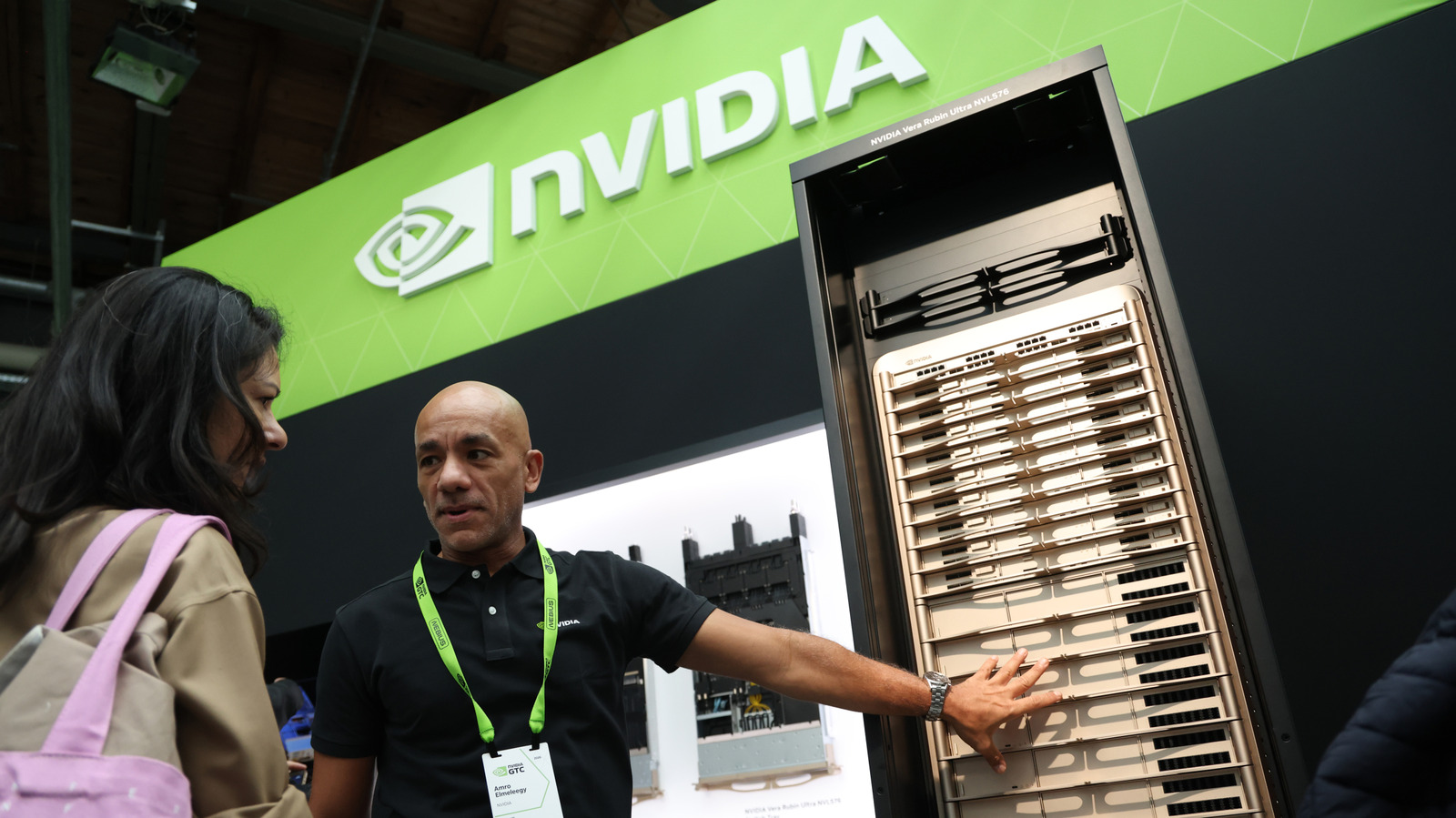
NVIDIA Halts AI Server Shipments to Key Southeast Asian Markets
NVIDIA has reportedly paused shipments of AI server hardware to Malaysia, Singapore, Thailand, and Indonesia amid tightening US export controls.