Investigation into United Launch Alliance Vulcan Rocket Anomaly Proves Complex
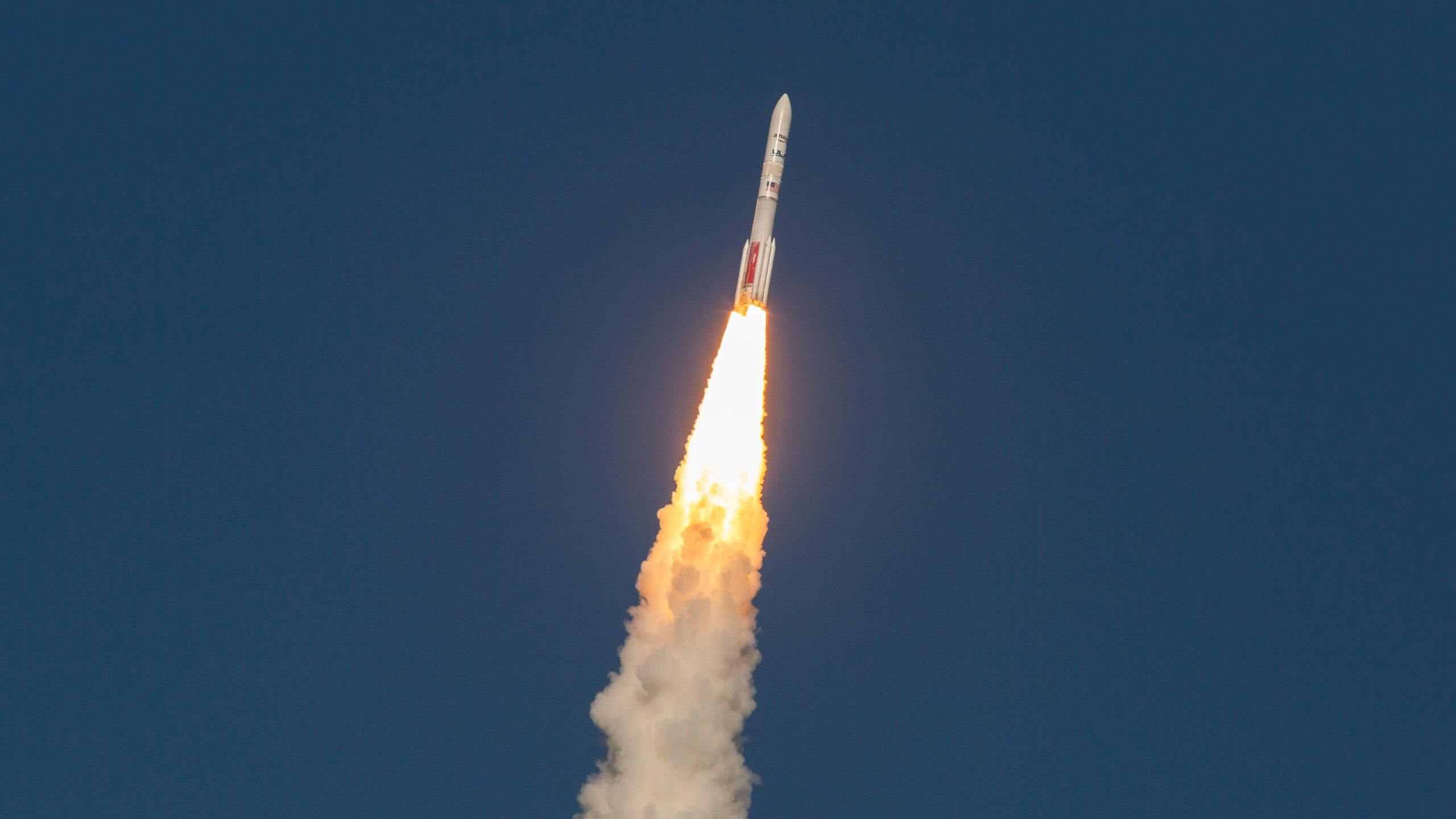
United Launch Alliance confirmed that its recent Vulcan rocket mission encountered early flight anomalies, prompting an intricate investigation overseen by the FAA.
 🧠AI Analysis
Photo: arstechnica.com
Key points
- Vulcan rocket mission suffered early telemetry loss roughly ten minutes into flight due to low booster performance.
- Investigation is evaluating propellant feed systems and potential BE-4 engine thrust anomalies.
- Delay poses significant scheduling risks for US Space Force payloads and commercial launch manifests.
United Launch Alliance has acknowledged that the return-to-flight mission for its Vulcan rocket encountered severe difficulties roughly ten minutes after launch, leading to the loss of telemetry and the mission. Initial findings point toward low booster performance shortly after liftoff, which triggered a premature stage separation while the vehicle lacked the altitude and velocity needed to achieve orbit. While the Centaur V upper stage and solid rocket boosters functioned normally, the exact cause of the booster underperformance remains under strict review by engineering teams.
The core stage of the Vulcan rocket relies on two BE-4 engines supplied by Blue Origin. Preliminary data and independent sources suggest that the issue may stem from launch vehicle systems responsible for supplying liquid oxygen and methane propellant, rather than the engines themselves. Video footage from tracking cameras indicated one engine appeared dimmer following solid rocket booster separation, potentially hinting at an asymmetric thrust issue that affected the vehicle's trajectory just prior to stage separation.
With the Federal Aviation Administration overseeing the inquiry led by United Launch Alliance, the complex investigation is still in its early stages. This setback marks the fifth flight for the Vulcan platform since its January 2024 debut and is expected to ground the rocket for at least six months. The delay directly affects vital national security payloads for the US Space Force and upcoming launches for Amazon's constellation, compounding broader aerospace capacity concerns.
Should you follow it? For industry observers and enterprise stakeholders tracking heavy-lift availability, this ongoing probe requires close monitoring as it threatens to disrupt commercial and defense launch schedules well into the future.
Source arstechnica.com — arstechnica.com/space/2026/11/sources-vulcan-launch-anomaly-investigati… ↗
Read next
 📰Gadget News
Seiko Launches 7th Philippine Limited Edition Prospex Chronograph
Seiko has unveiled the HBJ006P1, a new limited-edition Prospex chronograph inspired by the Pan-Philippine Highway.
 🏠Smart Home
Modders Unlock Higher Frame Rates for GTA 6 on Jailbroken PS5 Consoles
Modders have successfully bypassed the 30 FPS limit in GTA 6 on jailbroken PlayStation 5 consoles, enabling higher frame rates on supported displays.
 📰Gadget News
Vivo X500s Leaks Point to Custom Dimensity 9600 Pro Chipset
The upcoming Vivo X500s is expected to debut with an enhanced version of the Dimensity 9600 Pro chipset and a high-refresh-rate display.
 📰Gadget News
Google Addresses Memory Issues Caused by Gemini in Chrome
Google has officially confirmed a fix for a bug that caused the Gemini web interface to consume excessive amounts of RAM in the Chrome browser.
 📰Gadget News
NVIDIA Halts AI Server Shipments to Key Southeast Asian Markets
NVIDIA has reportedly paused shipments of AI server hardware to Malaysia, Singapore, Thailand, and Indonesia amid tightening US export controls.
 ⌚Wearables
Roborock Announces 2026 Black Friday Promotions on Cleaning Lineup
Roborock has launched its annual Black Friday and Cyber Monday sales event, offering discounts and bundles across its 2026 smart cleaning product range.