New Physics Study Simulates Orbital Nuclear Blast and Predicts Devastating Satellite Loss
Recent research from US physicists warns that a single megaton-range nuclear detonation in low Earth orbit would wipe out nearly all operational satellites within a week.
 🧠AI Analysis
Photo: gizmodo.com
Key points
- A one-megaton orbit blast would disable 98 percent of low Earth orbit satellites within a week.
- Trapped fission electrons form an enduring artificial radiation belt that damages replacement hardware.
- The loss of satellite maneuverability would trigger an estimated 20 collisions within two years.
A joint research team consisting of physicists from the University of Wisconsin-Madison and Princeton University has modeled the catastrophic impact of a one-megaton nuclear explosion situated 311 miles above the South Atlantic. Utilizing collision models, debris tracking, and calculations regarding radioactive fission products, the unpublished preprint indicates that approximately 98 percent of the 17,776 active low Earth orbit satellites would be rendered inoperable in just seven days.
Unlike historical endeavors like the 1962 Starfish Prime test, contemporary infrastructure relies exponentially more on orbital assets for vital civilian and military communications. According to the study, the primary driver of destruction is not the initial radiation burst, but rather high-energy electrons trapped by Earth's geomagnetic field to form a persistent artificial radiation belt. Even if manufacturers tripled the radiation tolerance of future spacecraft, roughly 97 percent of the network would still fail within a fortnight.
Furthermore, the aftermath would spark a cascading hazard environment, multiplying collision risks as defunct hardware loses maneuverability and newly deployed replacements enter the hazardous debris zone. Experts note that recovery could stretch across years, severely degrading global services without triggering an immediate total collapse of civilization.
Source gizmodo.com — gizmodo.com/scientists-simulated-a-nuclear-blast-in-orbit-and-nearly-ev… ↗
Read next
 📰Gadget News
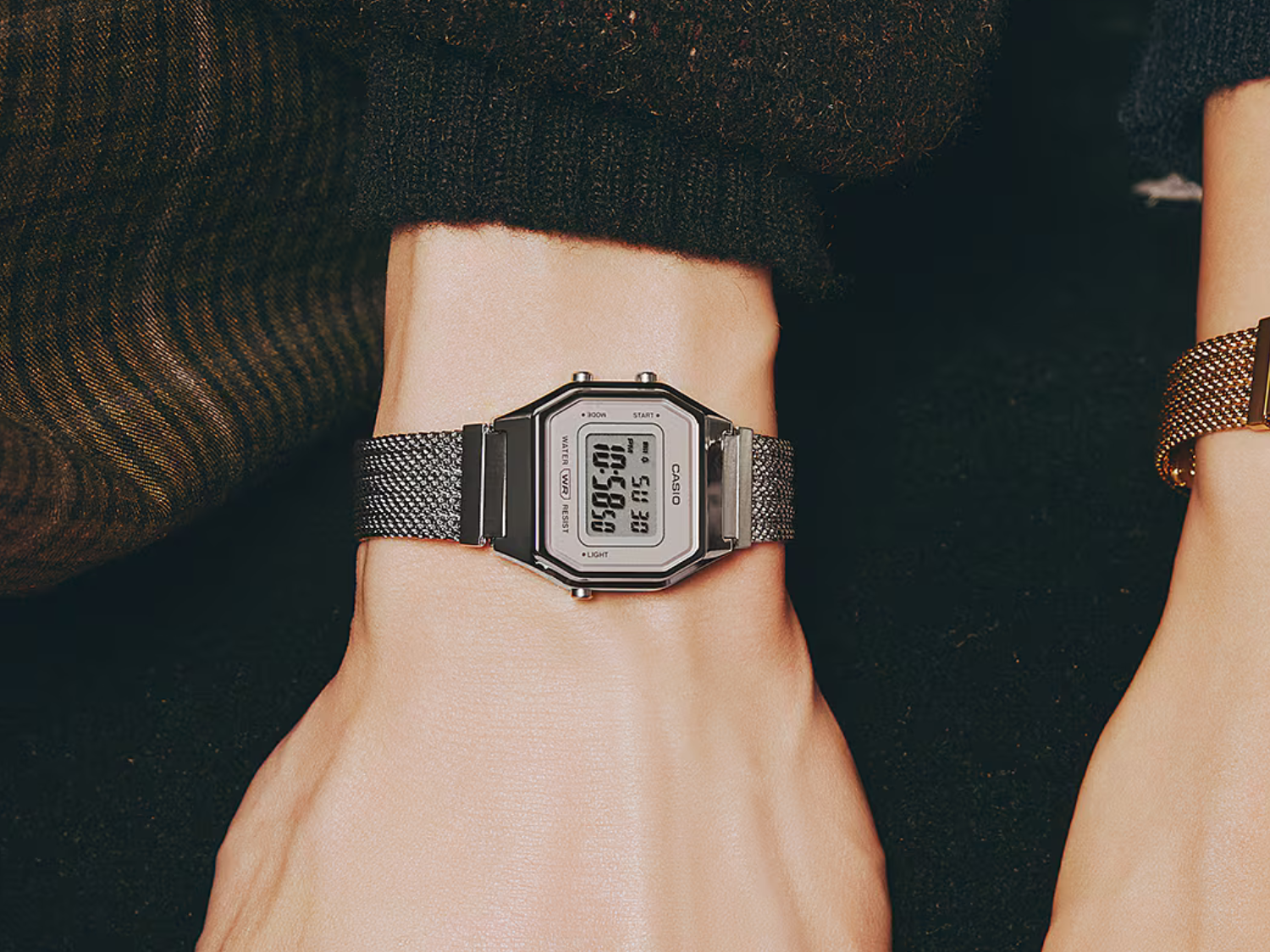
Casio Expands Availability of Mesh-Band LA680 Vintage Watches
Casio has brought its refreshed LA680 vintage digital watch series to the Japanese market, featuring new stainless-steel mesh bands.
 📰Gadget News
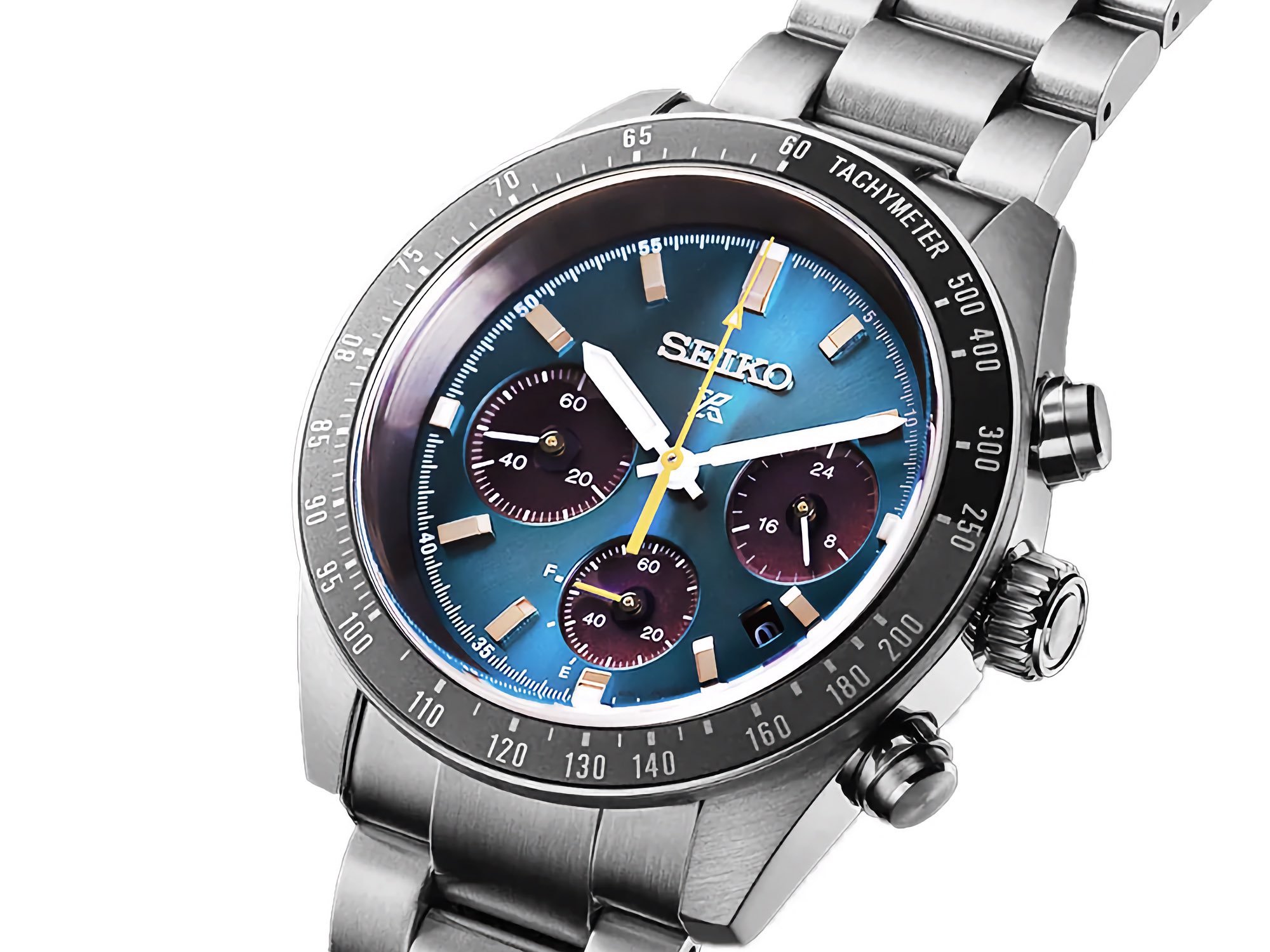
Seiko Launches 7th Philippine Limited Edition Prospex Chronograph
Seiko has unveiled the HBJ006P1, a new limited-edition Prospex chronograph inspired by the Pan-Philippine Highway.
 🏠Smart Home
Modders Unlock Higher Frame Rates for GTA 6 on Jailbroken PS5 Consoles
Modders have successfully bypassed the 30 FPS limit in GTA 6 on jailbroken PlayStation 5 consoles, enabling higher frame rates on supported displays.
 📰Gadget News
Vivo X500s Leaks Point to Custom Dimensity 9600 Pro Chipset
The upcoming Vivo X500s is expected to debut with an enhanced version of the Dimensity 9600 Pro chipset and a high-refresh-rate display.
 📰Gadget News
Google Addresses Memory Issues Caused by Gemini in Chrome
Google has officially confirmed a fix for a bug that caused the Gemini web interface to consume excessive amounts of RAM in the Chrome browser.
 📰Gadget News
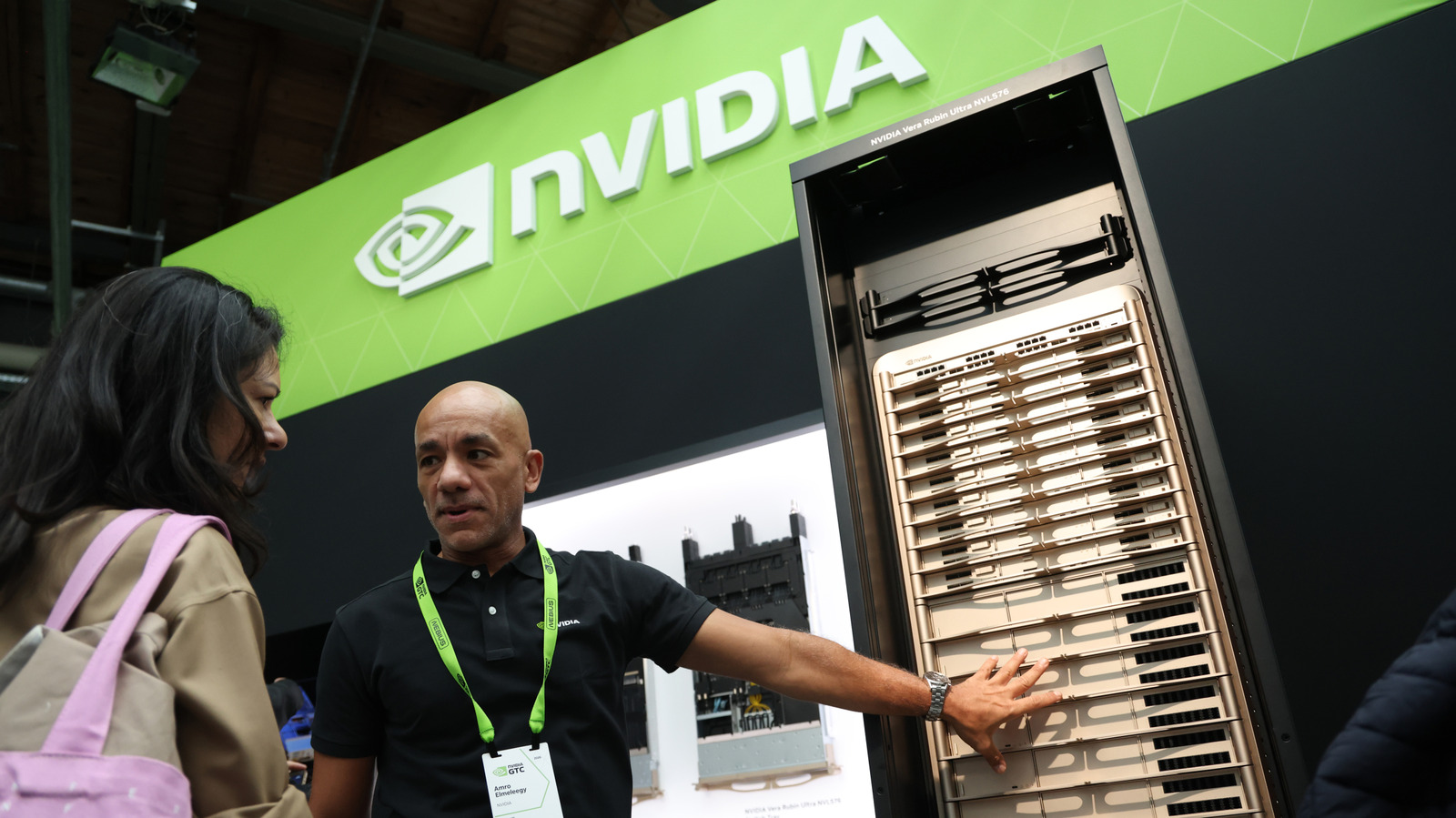
NVIDIA Halts AI Server Shipments to Key Southeast Asian Markets
NVIDIA has reportedly paused shipments of AI server hardware to Malaysia, Singapore, Thailand, and Indonesia amid tightening US export controls.