Beyond Nvidia: How Chinese AI Labs Leverage Model Distillation Amid U.S. Restrictions
As the U.S. cracks down on remote chip access, Chinese developers are increasingly turning to AI model distillation to bypass export barriers.
 🧠AI Analysis
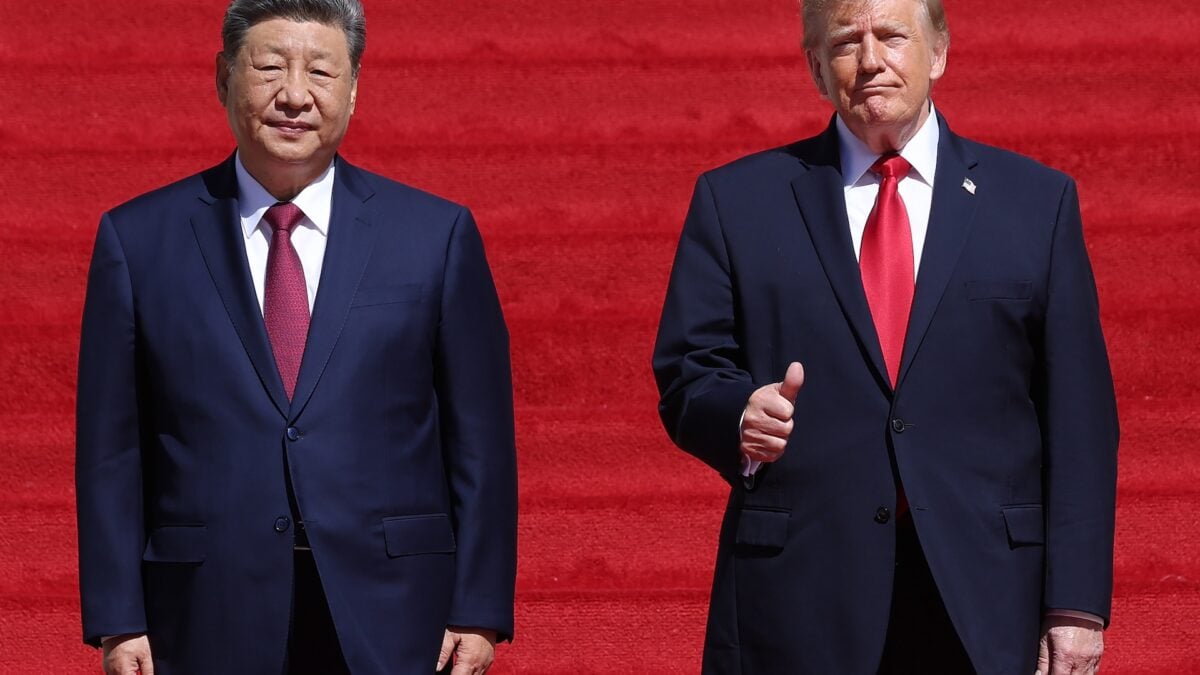
Photo: gizmodo.com
Key points
- Trump administration introduces new rules to block remote access to restricted Nvidia chips.
- Chinese developers increasingly rely on model distillation to advance local AI capabilities.
- U.S. firms accuse domestic labs of illicit distillation, while Beijing defends the training practice.
Following new regulations from the Trump administration designed to block remote access to embargoed hardware, attention has turned toward alternative methods being utilized by Chinese developers to maintain momentum in artificial intelligence. While hardware controls target physical infrastructure, industry reports indicate a widespread reliance on distillation—a training method where smaller models learn from the outputs of larger frontier systems.
According to documentation reviewed by Reuters, government policies in China actively promote distillation as a domestic growth strategy. U.S. firms such as OpenAI and Anthropic have previously claimed that local labs, including DeepSeek and Moonshot AI, have utilized proprietary outputs for large-scale model training. Meanwhile, Beijing has defended the practice as a standard global industry standard, warning of countermeasures should the technique be used to suppress Chinese technology firms.
These technological friction points coincide with broader geopolitical and corporate controversies involving hardware supply chains. Former Nvidia executives face ongoing scrutiny regarding data center operations and chip diversion allegations, with upcoming congressional testimonies anticipated next month. As trade restrictions tighten around traditional hardware channels, the regulatory focus is shifting heavily toward software-based workarounds.
Source gizmodo.com — gizmodo.com/the-nvidia-scandal-is-only-half-the-story-of-chinas-ai-work… ↗
Read next
 📰Gadget News
XPeng unveils IRON humanoid robot with plans for public launch by 2027
Electric vehicle manufacturer XPeng has introduced its new humanoid robot, IRON, targeting a commercial debut in 2027 with a price point comparable to an entry-level EV.
 📰Gadget News
OM System Expected to Upgrade Micro Four Thirds Sensor Technology
Reports suggest OM System is moving toward higher-resolution sensors for its Micro Four Thirds lineup, potentially reaching up to 100 megapixels.
 📰Gadget News
Casio Expands Availability of Mesh-Band LA680 Vintage Watches
Casio has brought its refreshed LA680 vintage digital watch series to the Japanese market, featuring new stainless-steel mesh bands.
 📰Gadget News
Nvidia Reportedly Planning Further GPU Supply Reductions
Rumors suggest Nvidia may decrease gaming GPU shipments by up to 30% through early 2027, potentially driving up prices for consumers.
 📰Gadget News
WhatsApp to Integrate Travel eSIM Purchases Directly Within the App
WhatsApp is launching a new feature allowing users to buy and install international travel eSIMs without leaving the messaging platform.
 📰Gadget News
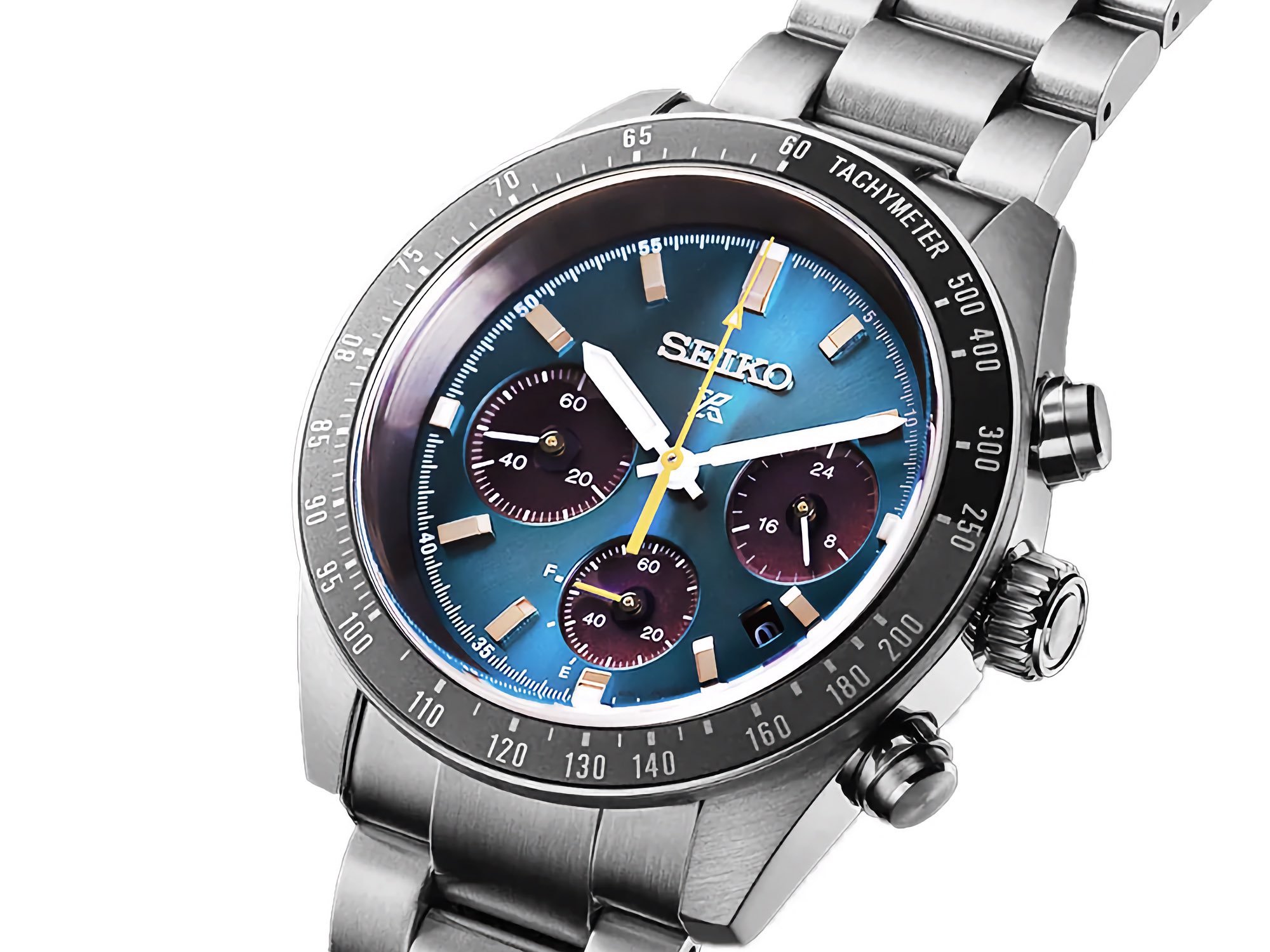
Seiko Launches 7th Philippine Limited Edition Prospex Chronograph
Seiko has unveiled the HBJ006P1, a new limited-edition Prospex chronograph inspired by the Pan-Philippine Highway.