Managing AI Memory: How ChatGPT, Gemini, and Claude Track Your Data
Major artificial intelligence platforms including ChatGPT, Gemini, and Claude now feature persistent memory systems, raising new questions about data privacy and user control.
 🧠AI Analysis
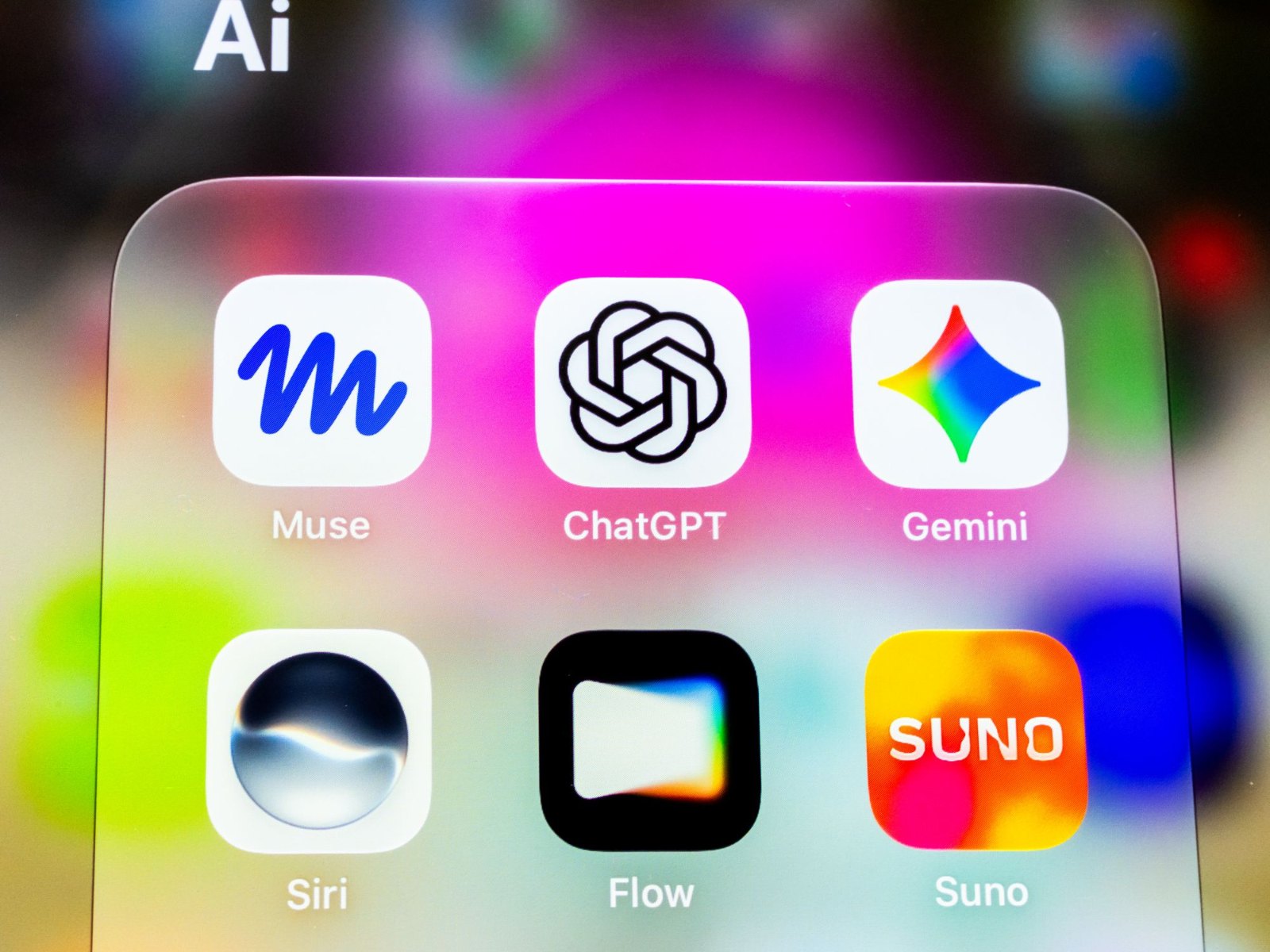
Photo: Notebookcheck News
Key points
- Major AI assistants now feature persistent memory to retain past context.
- Google Gemini introduces a 'Memory summary' feature for stored data.
- Users can manage or delete stored information through platform help settings.
Modern artificial intelligence assistants from leading developers such as Google, Anthropic, and OpenAI increasingly rely on persistent memory functions to retain context across separate sessions. According to recent platform help documentation and industry reports, tools like Google Gemini, Anthropic's Claude, and ChatGPT are designed to remember user preferences, past interactions, and specific personal details to streamline future responses. Google has notably begun rolling out a new 'Memory summary' feature, allowing users to view a consolidated list of everything the system has stored about them.
As these contextual capabilities expand, understanding how to access, edit, or completely erase stored information has become essential for privacy-conscious consumers. Each platform provides distinct settings pages within its respective help center where individuals can review their data logs, disable personalization features, or purge specific memories entirely. While persistent memory significantly enhances conversational continuity and reduces repetitive prompting, it simultaneously increases the digital footprint users leave behind with everyday AI tools.
Source Notebookcheck News — notebookcheck.net/ChatGPT-Gemini-Claude-How-to-delete-what-AI-remem… ↗
Read next
 🧠AI Analysis
Lifetime License for AcePDF Editor Available for $23.99 Using Promo Code
AcePDF Converter and Editor offers lifetime access for $23.99 using a specific discount code, presenting an alternative to subscription-based document software.
 🧠AI Analysis
Google Introduces Gemini 4 Hydrogen Model
Google has launched Gemini 4 Hydrogen as the successor to the 3.8 Flash model, creating a tiered access structure for subscribers and free users.
 📰Gadget News
Berria Launches Mistral Essential Apex E-Bike Featuring DJI Avinox M2 Motor and 600 Wh Battery
Berria has introduced the Mistral Essential Apex electric bicycle in road and gravel variants, starting at €3,499 and equipped with a powerful DJI Avinox M2 motor.
 🧠AI Analysis
Analysis: How Slay the Spire 2’s Latest Beta Reshapes the Roguelike Meta
The v0.113.0 beta patch introduces The Fool as the sixth playable character alongside two experimental game modes, Blitz and Dread.
 📰Gadget News
Pool of Madness brings Lovecraftian horror to billiards on Steam
A new roguelike title blending billiards mechanics with cosmic horror, Pool of Madness, launches into Steam Early Access today.
 🧠AI Analysis
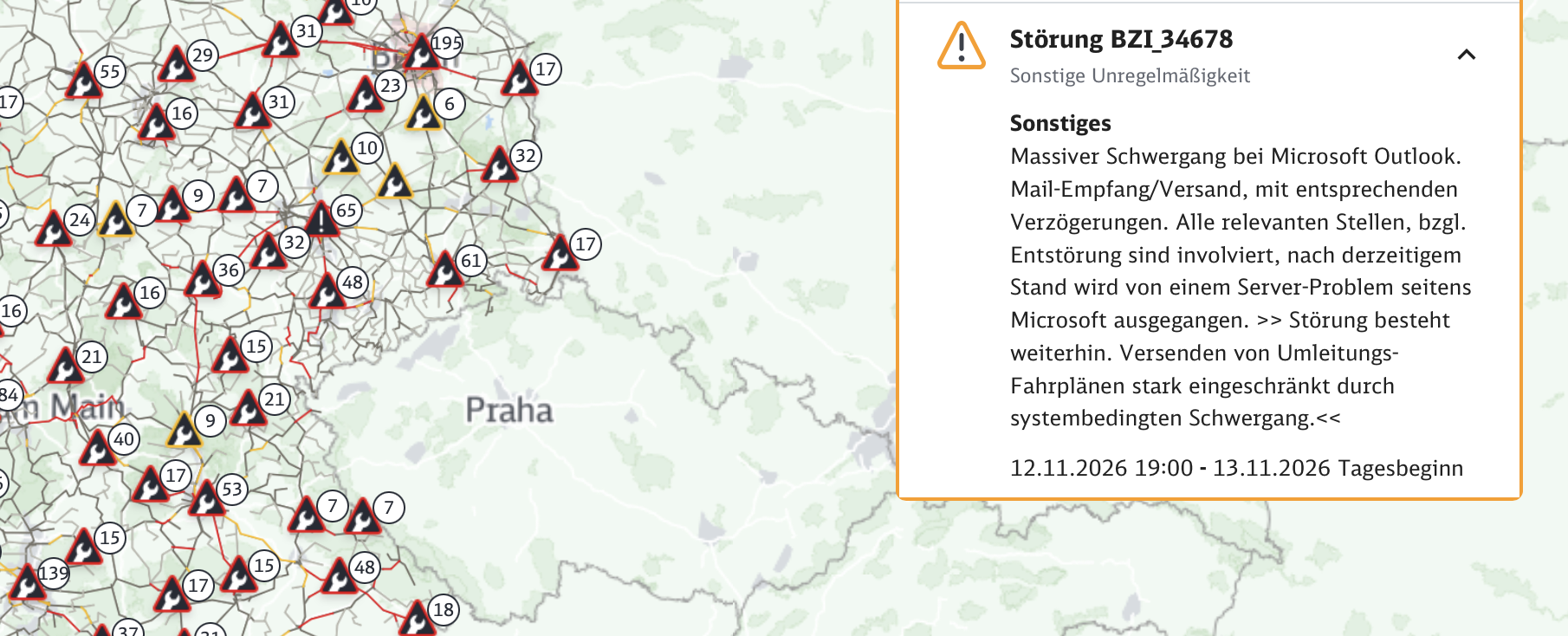
Microsoft 365 Outage Halts Rail Communications Across Multiple Countries
A widespread Microsoft server failure disrupted rail operations and communications in Germany, Australia, and Canada, affecting timetable distribution and customer notifi…