Why Gmail's End-to-End Encryption Falls Short for Everyday Consumers
Google offers end-to-end encryption for email, but the feature is locked behind expensive enterprise plans. Consumer privacy advocates recommend dedicated European alternatives instead.
 🧠AI Analysis
Photo: PCWorld
Key points
- Google restricts true end-to-end email encryption to expensive enterprise Workspace plans.
- Proton and Tuta offer consumer-friendly EE2E alternatives based in Europe.
- EE2E protection requires both sender and recipient to use compatible encrypted services.
While standard email is protected in transit and at rest by many modern providers, it remains readable by the companies hosting the servers. True end-to-end encryption (EE2E) scrambles messages from absolute start to finish, ensuring that not even the service provider can inspect the contents. However, achieving this level of privacy within Gmail requires subscribing to Google's most expensive enterprise Workspace tier, which demands complex setup and management by an IT team rather than catering to individual consumers.
For everyday users seeking robust digital privacy without corporate overhead, dedicated services like Proton and Tuta present much more practical alternatives. Proton Mail offers a streamlined setup, ad-free experience, and a free tier with one gigabyte of storage, alongside paid options starting at $48 annually. Beyond basic messaging, Proton provides a broader ecosystem including cloud storage, calendar apps, and a built-in virtual private network, making the transition from mainstream platforms significantly smoother.
When evaluating EE2E providers, users must still consider implementation caveats, such as whether metadata like subject lines or sender addresses remain unencrypted. Additionally, secure communication requires both parties to use compatible encrypted services, and encryption cannot stop recipients from taking screenshots. Despite these limitations, adopting a trusted European-based provider under stricter regional data protection laws remains a far more accessible path to inbox security than configuring corporate Google accounts.
Source PCWorld — pcworld.com/article/3203183/gmail-offers-fully-encrypted-email-but-… ↗
Read next
 🧠AI Analysis
Keychron Expands Orca Echo Keyboard Lineup With Standard-Profile Mechanical Keys
Keychron has introduced a standard-height version of its unconventional split Orca echo keyboard, featuring a built-in trackball and mechanical switches.
 🧠AI Analysis
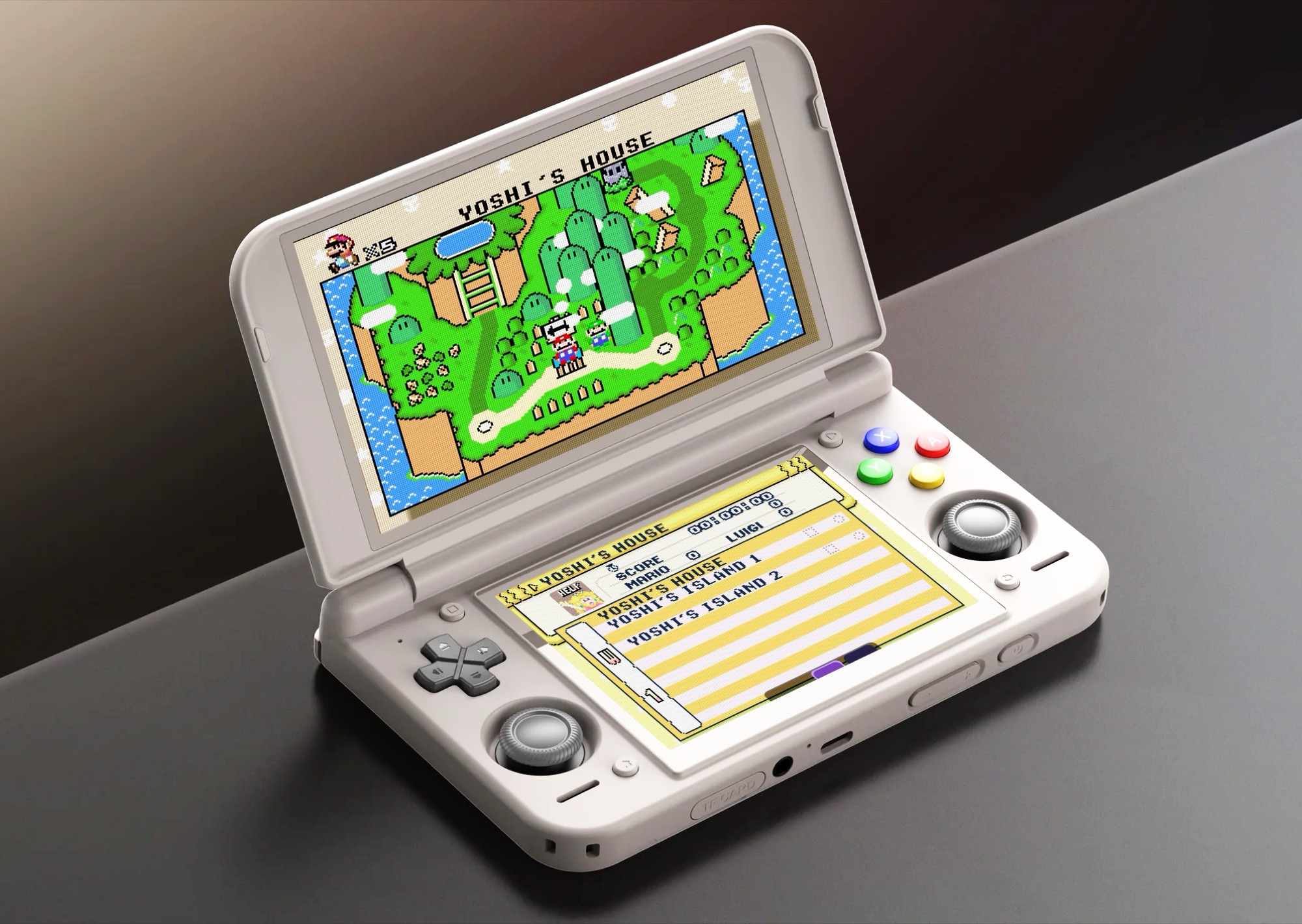
New Emulator Brings Nintendo DS Dual-Screen Functionality to Game Boy Advance Titles
A newly developed emulator allows retro handheld devices to play Game Boy Advance games with a Nintendo DS-style dual-screen upgrade.
 🧠AI Analysis
Why Nvidia Cannot Simply Shift Production Back to GeForce Graphics Cards
Examining the complex supply chain and manufacturing hurdles that prevent Nvidia from easily redirecting its silicon production capacity from AI accelerators back to cons…
 🧠AI Analysis
Apple Opens Pre-Orders for Initial Apple Home Collection Smart Home Devices
Apple has officially launched pre-orders for the first trio of accessories within the Apple Home Collection, featuring LG-branded security cameras ahead of a December shi…
 🧠AI Analysis
Apple's Latest Hardware Refreshes and AI Strategy Discussed in Latest Podcast
An overview of initial reactions to Apple's updated MacBook Pro, iMac, and iPad mini models, alongside discussions regarding the company's competitive standing in artific…
 🧠AI Analysis
Nvidia’s AI Dominance Leaves PC Gaming as a Fraction of Total Revenue
Data centers now account for over 92 percent of Nvidia's revenue, casting uncertainty over the future prioritization of GeForce hardware.