Physicists Unlock Key to Fusion Energy Efficiency
Researchers at EPFL have developed a predictive model to determine the heating power required to achieve high-confinement mode in fusion reactors, solving a 40-year-old mystery.
 🧠AI Analysis
Photo: gizmodo.com
Key points
- EPFL researchers created a model to predict heating power for H-mode plasma transitions.
- The model accounts for plasma density and magnetic field orientation in tokamak reactors.
- Projections indicate ITER requires 43 MW and SPARC requires 26 MW to reach high-confinement states.
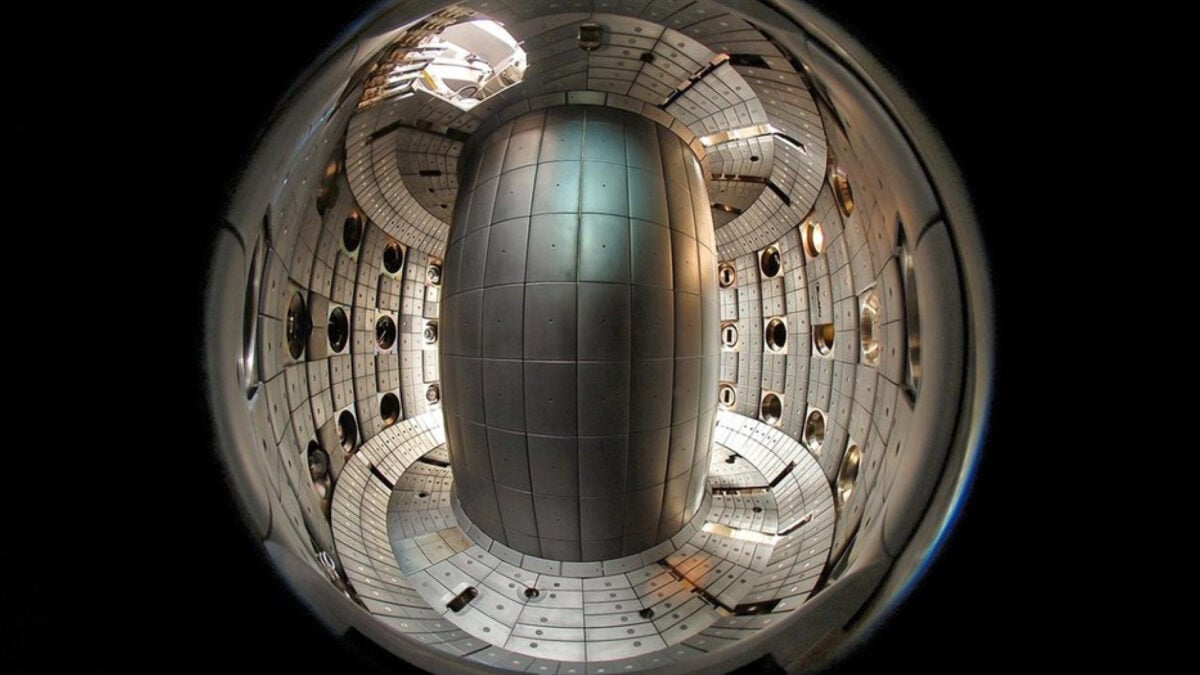
Physicists at the Swiss Federal Institute of Technology in Lausanne (EPFL) have successfully modeled the heating power threshold required to transition fusion plasma into high-confinement (H-mode). Since its discovery in 1982, the precise energy requirements to trigger this state—which significantly improves energy retention—have remained elusive. The new framework accounts for plasma density and magnetic field orientation within tokamak reactors, offering a reliable method to predict performance before experimental runs.
Led by doctoral assistant Brenno De Lucca, the team utilized extensive data from existing tokamak experiments to validate their mathematical model. By simulating plasma behavior and comparing results against real-world observations, the researchers identified how magnetic field direction and edge turbulence influence H-mode entry. The findings provide a clearer understanding of the physical processes that suppress turbulence and minimize heat loss.
The team applied their model to two major upcoming projects: the international ITER reactor in France and the U.S.-based SPARC tokamak. Their calculations suggest that ITER requires at least 43 megawatts to reach H-mode, while SPARC needs a minimum of 26 megawatts. These projections serve as a critical planning tool for reactor operators, ensuring that heating capacities are appropriately aligned with the physical demands of the plasma.
Should you care?This breakthrough is essential for the practical scaling of fusion energy, as it provides a concrete metric for reactor design that was previously based on estimation. While theoretical in nature, the model offers a clear pathway for optimizing future fusion power plants.
Source gizmodo.com — gizmodo.com/physicists-finally-solve-a-40-year-old-mystery-about-fusion… ↗
Read next
 📰Gadget News
Casio Expands Availability of Mesh-Band LA680 Vintage Watches
Casio has brought its refreshed LA680 vintage digital watch series to the Japanese market, featuring new stainless-steel mesh bands.
 📰Gadget News
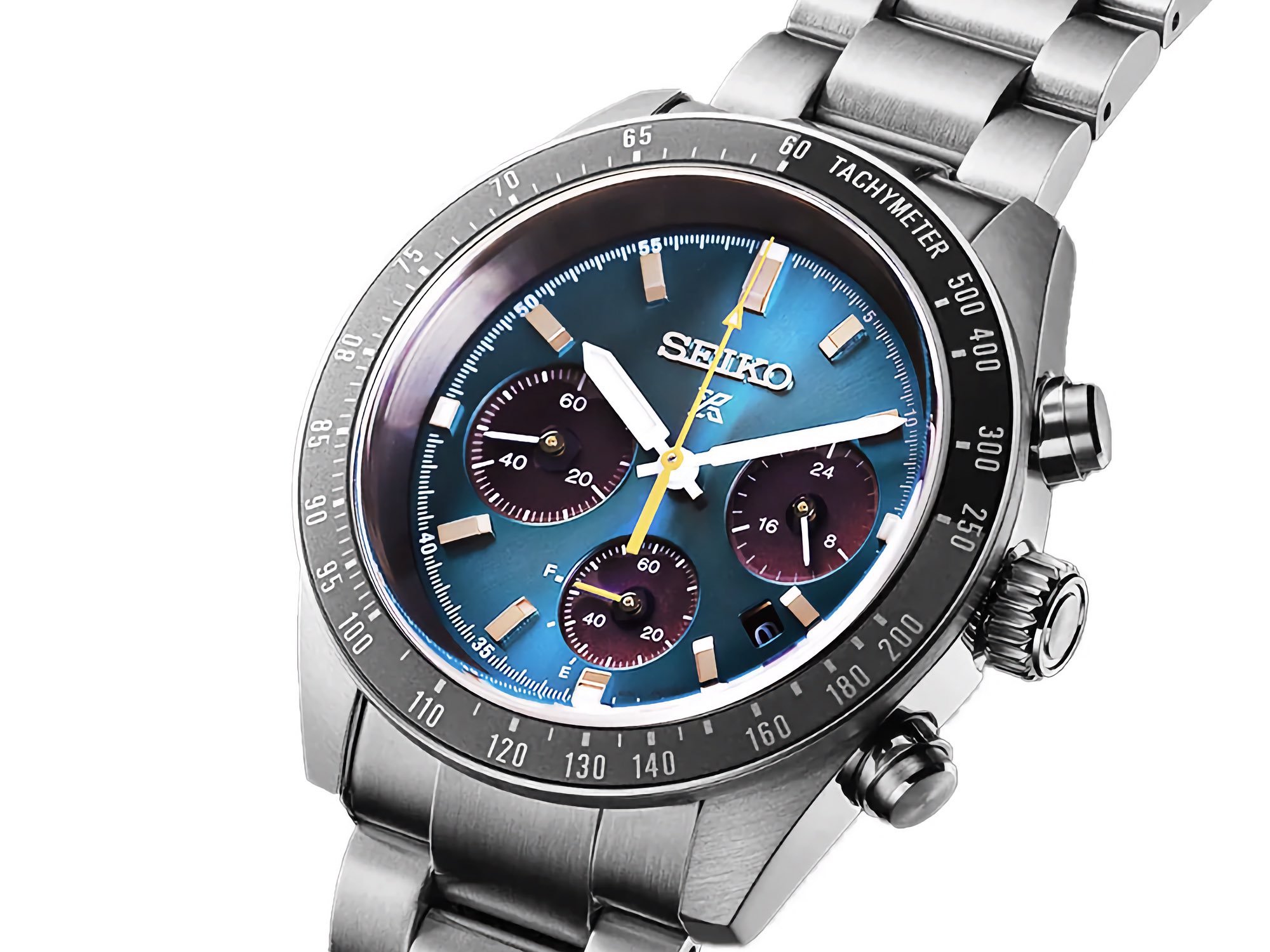
Seiko Launches 7th Philippine Limited Edition Prospex Chronograph
Seiko has unveiled the HBJ006P1, a new limited-edition Prospex chronograph inspired by the Pan-Philippine Highway.
 🏠Smart Home
Modders Unlock Higher Frame Rates for GTA 6 on Jailbroken PS5 Consoles
Modders have successfully bypassed the 30 FPS limit in GTA 6 on jailbroken PlayStation 5 consoles, enabling higher frame rates on supported displays.
 📰Gadget News
Vivo X500s Leaks Point to Custom Dimensity 9600 Pro Chipset
The upcoming Vivo X500s is expected to debut with an enhanced version of the Dimensity 9600 Pro chipset and a high-refresh-rate display.
 📰Gadget News
Google Addresses Memory Issues Caused by Gemini in Chrome
Google has officially confirmed a fix for a bug that caused the Gemini web interface to consume excessive amounts of RAM in the Chrome browser.
 📰Gadget News
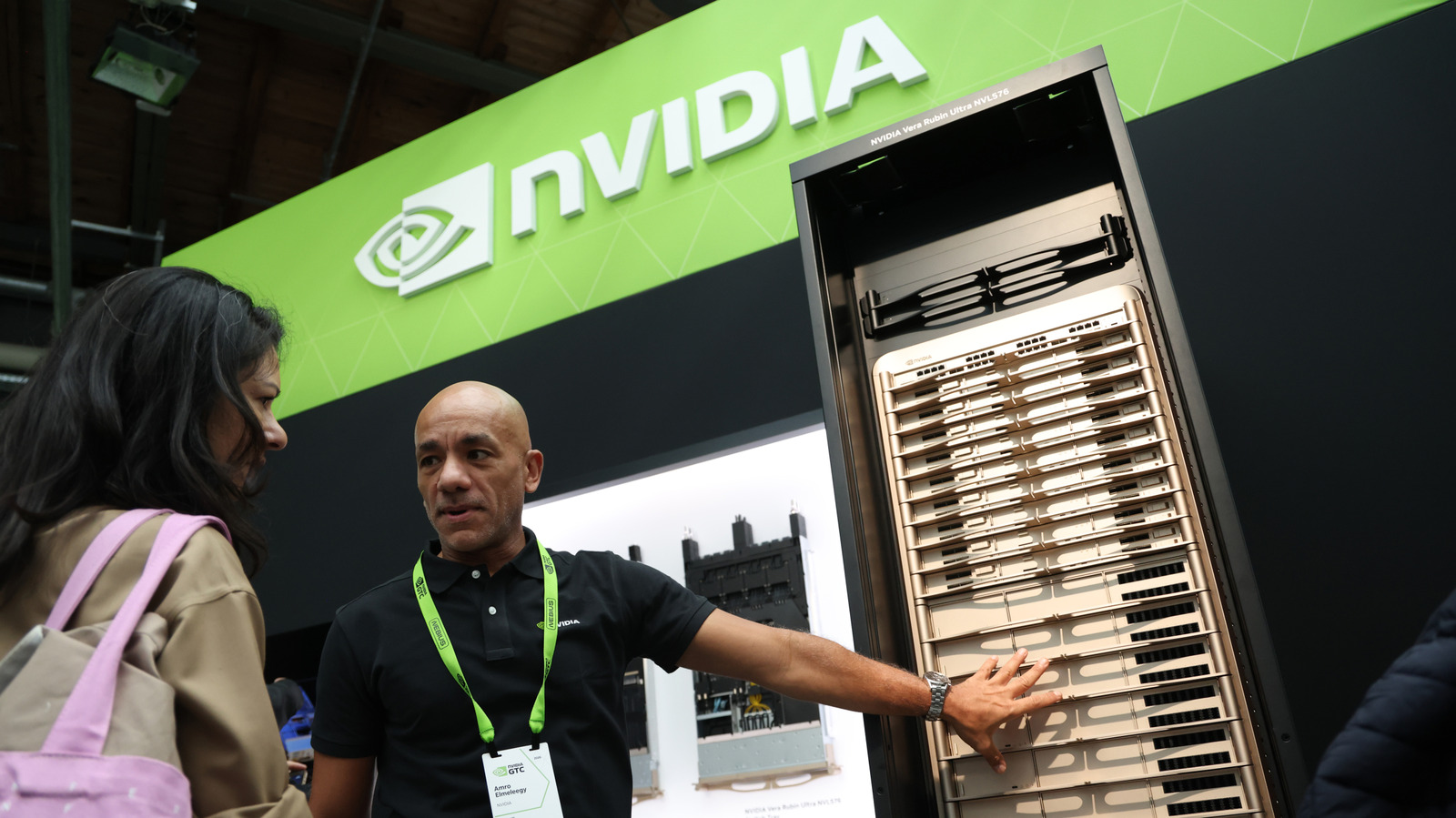
NVIDIA Halts AI Server Shipments to Key Southeast Asian Markets
NVIDIA has reportedly paused shipments of AI server hardware to Malaysia, Singapore, Thailand, and Indonesia amid tightening US export controls.