Google Pixel Tag Compatibility: Why Your Older Android Phone Might Limit Features
Google's new Pixel Tag offers advanced tracking, but its most precise features are restricted to devices supporting Bluetooth 6.0.
 📱Phones
Photo: ZDNet Reviews
Key points
- Pixel Tag requires Android 9.0+ and Bluetooth 6.0+ for full functionality.
- Bluetooth 6.0 is currently limited to devices released in 2025 or later.
- Users without Bluetooth 6.0 or UWB chips lose precision finding and naming features.
Google has officially launched the Pixel Tag, a Bluetooth tracker designed to compete with Apple’s AirTag and Samsung’s Smart Tag 3. While it is marketed as a versatile option for the Android ecosystem, prospective buyers should be aware that full functionality is tied to specific hardware requirements. To access advanced features like precise directional finding and distance measurement, users must own a device running at least Android 9.0 and, crucially, equipped with Bluetooth 6.0.
Hardware Requirements for Precision Tracking
The reliance on Bluetooth 6.0 is a significant barrier for many Android users. This standard, which enables Channel Sounding technology, only began appearing in smartphones in 2025, starting with flagship models like the Samsung Galaxy S26 series. Devices lacking this hardware, including many phones from just a generation prior, will be unable to utilize the tracker's high-end capabilities.
Limitations on Older Devices
If your smartphone does not meet the Bluetooth 6.0 threshold, the Pixel Tag will function only as a basic location tracker. Users on older hardware will lose the ability to ping the device, assign custom names, or see exact directional data. Furthermore, short-range precision finding requires an Ultra-Wideband (UWB) chip, which is notably absent from many base-model Google and Samsung devices, including the A-series and Z Flip line.
Should you buy it? At $30, the Pixel Tag is competitively priced, but it is best suited for owners of recent flagship Android phones. If your current device lacks Bluetooth 6.0, you may want to consider more budget-friendly alternatives until you upgrade your handset.
Source ZDNet Reviews — zdnet.com/tech/google-pixel-tag-android-tracker-bluetooth-6-0-older… ↗
Read next
 📰Gadget News
StrongVPN Review: A Legacy Service Struggling with Modern Standards
StrongVPN, a veteran in the privacy space, is facing criticism for its aging software infrastructure and lack of competitive features.
 📰Gadget News
China Renaissance Upgrades Apple Stock on Foldable iPhone Expectations
Financial firm China Renaissance has upgraded Apple to a Buy rating, citing the potential of a future foldable device to trigger a significant sales cycle.
 🏠Smart Home
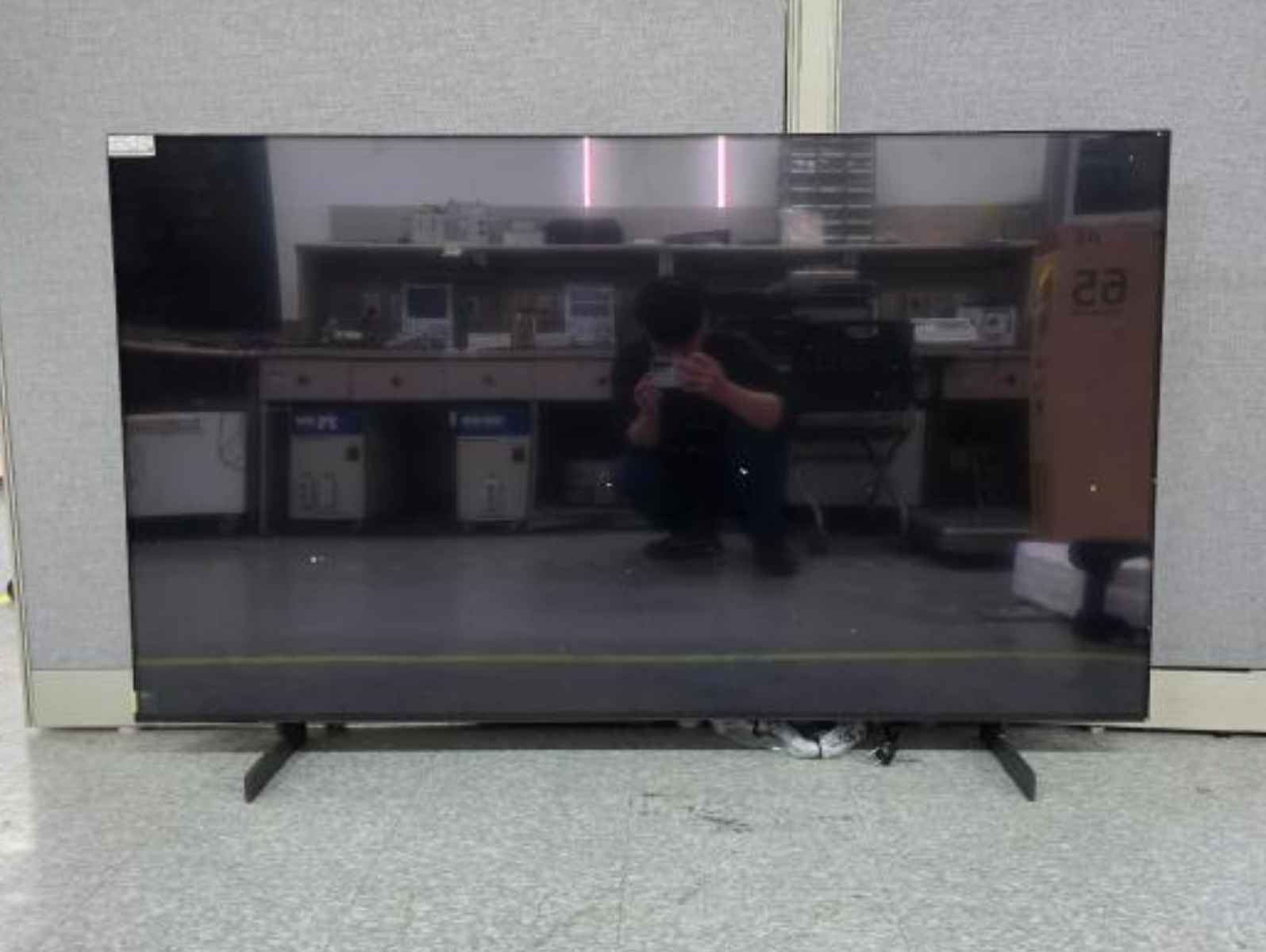
LG Prepares OLED B7 Series Lineup for 2027
Details regarding LG's upcoming B7 OLED television series have emerged, revealing a diverse range of screen sizes.
 🧭Buying Guides
Top PC Monitors for 2026: Expert Picks for Productivity, Gaming, and Value
An expert roundup of the top PC monitors for 2026 highlights leading choices from Dell, Acer, and Pixio catering to various workflows and budgets.
 📰Gadget News
Apple Sports App Adds UFC Tracking and International Soccer Leagues
Apple has updated its dedicated Sports app to include comprehensive UFC coverage and additional international soccer leagues.
 🏠Smart Home
LG OLED evo 97W7 Leaks with 4,000-Nit Tandem Panel Ahead of CES 2027
A listing for the unreleased LG OLED evo 97W7 reveals a massive peak brightness upgrade, a slim carbon fiber build, and a 165 Hz variable refresh rate.