Sodium-Ion vs. Lithium-Ion Batteries: The Next Stage in Energy Storage
An in-depth look at how sodium-ion batteries compare to traditional lithium-ion cells, exploring energy density, manufacturing hurdles, and cold-weather advantages.
 🧠AI Analysis
Photo: engadget.com
Key points
- Sodium-ion batteries achieve roughly 175 watt-hours per kilogram, trailing behind standard lithium-ion densities.
- Sodium chemistry retains 90 percent capacity at minus 40 degrees Fahrenheit and exhibits a lower risk of thermal runaway.
- Major firms like CATL, General Motors, and HiNa Battery Technology are pursuing commercial production despite supply chain hurdles.
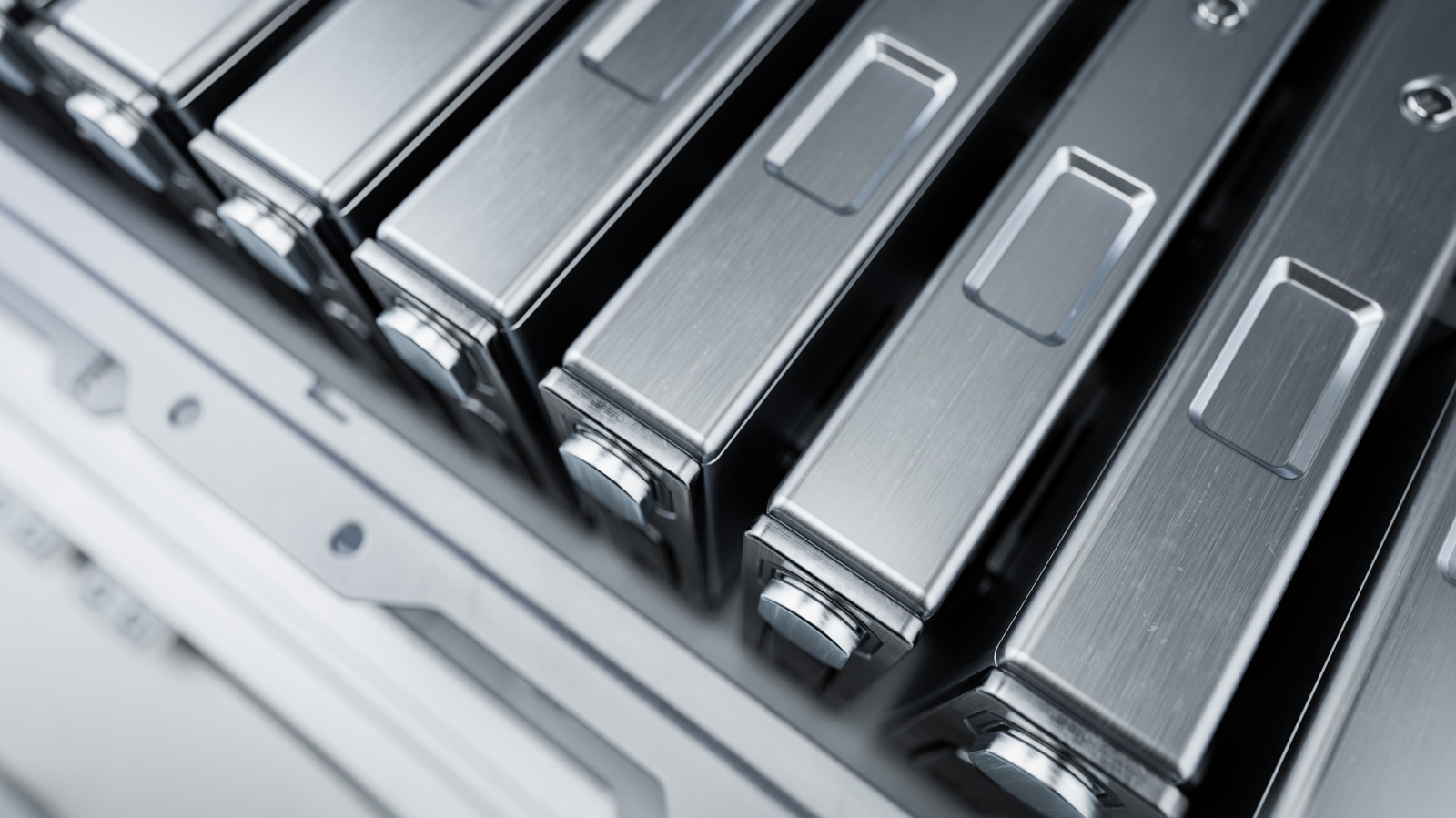
Sodium-ion and lithium-ion batteries share a fundamental operational mechanism, utilizing charged particles that travel between positive and negative electrodes to store and discharge electrical energy. The primary distinction lies in their chemical composition. While lithium cells shuttle lithium ions, sodium alternatives rely on sodium ions. Although their operational principles are nearly identical, these structural variations create significant differences in real-world performance, physical dimensions, and overall energy capacity.
Energy density remains a notable drawback for sodium technology. Sodium-ion cells typically deliver around 175 watt-hours per kilogram, trailing behind lithium-ion phosphate cells at roughly 205 watt-hours, and lithium nickel manganese cobalt oxide variants which reach up to 255 watt-hours. Because sodium ions possess a larger physical mass, the resulting cells require more space and weight for comparable storage. Furthermore, sodium-ion technology functions at lower voltage levels.
Despite these limitations, sodium-ion cells offer distinct advantages, particularly in extreme environments. Data from the International Energy Agency indicates that sodium-ion batteries maintain 90 percent of their capacity at minus 40 degrees Fahrenheit, whereas lithium-ion options suffer severe performance drops in comparable sub-zero conditions. Additionally, sodium batteries produce lower heat levels during operation, translating to a reduced risk of thermal runaway and requiring fewer safety mechanisms. Companies including CATL, General Motors, Peak Energy, HiNa Battery Technology, and Natron Energy are exploring commercial production, targeting automotive applications and data center power supplies.
AI Analysis: This assessment evaluates the evolving competition between battery chemistries against established supply chains. While lithium maintains a massive industrial advantage, the abundance and thermal stability of sodium offer strategic niches in stationary storage and sub-zero climates. The transition is expected to unfold cooperatively rather than through total displacement, potentially diversifying options across the energy sector.
Source engadget.com — engadget.com/2311394/sodium-vs-lithium-ion-batteries-differences-co… ↗
Read next
 ⌚Wearables
Apple Launches Health AI Study App for iPhone and Apple Watch Users
Apple has rolled out a dedicated application for its new Health AI Study, inviting US users to examine how people interact with conversational medical tools.
 💻Laptops & PCs
How to clear app caches on your Mac to free up storage and fix glitches
Learn when and how to manually clear application caches on your macOS device to reclaim valuable storage space and troubleshoot software glitches.
 🏠Smart Home
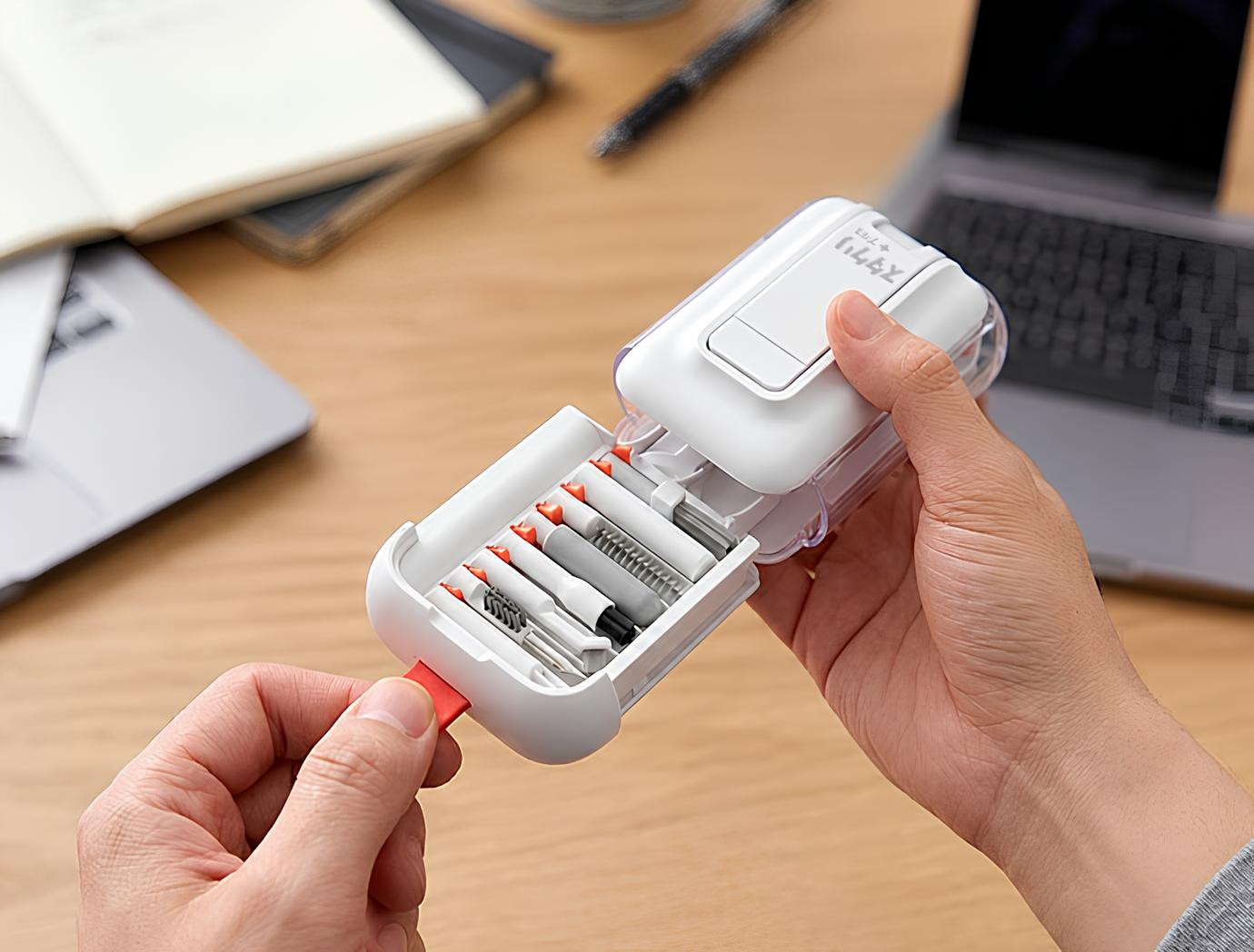
Area Launches Stakuri Plus: A Compact Phone Stand Packed With 17 Cleaning Tools
Japanese brand Area has released the Stakuri Plus, a portable smartphone stand that doubles as a comprehensive 17-in-1 electronics cleaning kit for roughly $16.
 🧭Buying Guides
Cloud vs. Local Storage: Which Backup Method Fits Your Gadgets Best?
A detailed comparison of cloud storage services like iCloud and Google Drive versus physical local drives, weighing access, costs, and reliability.
 🧭Buying Guides
Zelda: Ocarina of Time Remake Review Sparks Metacritic Debate
A single mixed review for the upcoming Zelda: Ocarina of Time remake on the Switch 2 has dropped its Metascore from 96 to 95, igniting backlash from fans.
 📱Phones
Understanding Sudden Phone Battery Drops: Causes and Fixes
Experiencing rapid battery percentage drops on your phone can be frustrating, but the issue usually stems from aging lithium-ion cells, background software processes, or …