Cloud vs. Local Storage: Which Backup Method Fits Your Gadgets Best?
A detailed comparison of cloud storage services like iCloud and Google Drive versus physical local drives, weighing access, costs, and reliability.
 🧭Buying Guides
Photo: engadget.com
Key points
- Cloud storage provides automated backups and easy multi-device access
- Local storage works independently of the internet and avoids recurring subscription fees
- Cloud services charge monthly or annual fees, such as $9.99 monthly for 2TB of iCloud+
When deciding how to back up your phones, laptops, and other devices, choosing between cloud platforms and physical local hardware comes down to balancing convenience with long-term expenses. Local solutions like USB flash drives and external hard drives offer straightforward, offline file transfers without upload delays. Meanwhile, cloud services such as iCloud and Google Drive automate the entire process, continuously syncing your photos, contacts, and videos in the background.
Access, Sharing, and Security
Cloud storage excels in multi-device environments. Once files are uploaded, users can log into their accounts from any phone or laptop to retrieve data instantly. Sharing files is as simple as generating a link, and tools like Google Docs enable real-time collaboration. Furthermore, major cloud providers protect data across multiple servers and support two-factor authentication, minimizing the risk of total data loss.
Performance, Reliability, and Cost
Physical storage holds a clear advantage when dealing with large files or limited connectivity. External solid-state drives can transfer gigabytes of data in minutes without needing an internet connection, shielding users from outages or slow mobile data speeds. From a financial perspective, buying an external hard drive is a one-time purchase. By contrast, cloud options rely on recurring subscription models. For example, Apple's 2TB iCloud+ plan costs $9.99 per month in the US, which totals nearly $240 over two years without granting permanent ownership of the storage space.
Should you buy it? Rather than choosing exclusively, many users benefit from combining both methods: utilizing the cloud for everyday automatic backups and cross-device access, while relying on local storage for hefty files or physical ownership.
Source engadget.com — engadget.com/2313943/pros-cons-using-cloud-storage-over-local/ ↗
Read next
 🏠Smart Home
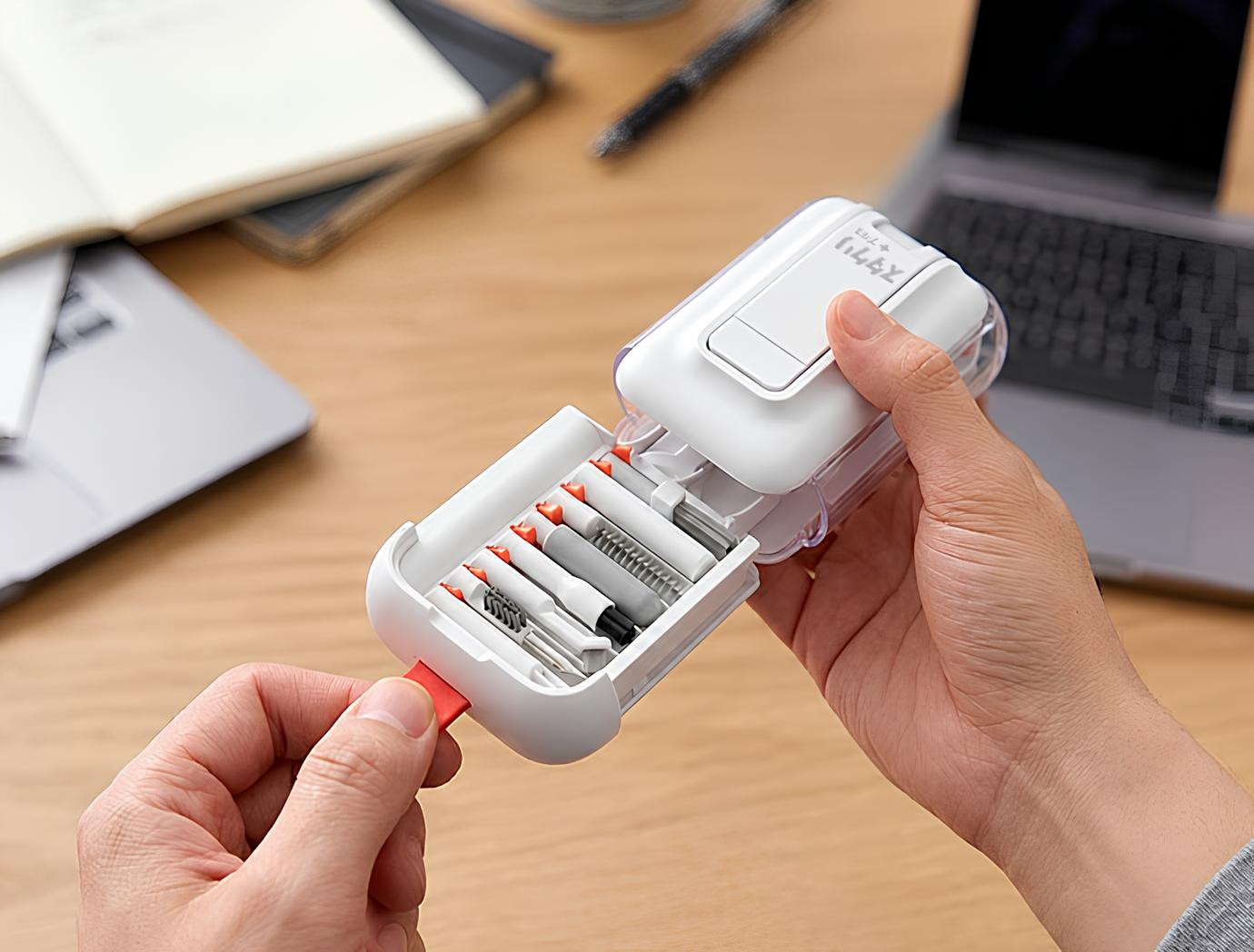
Area Launches Stakuri Plus: A Compact Phone Stand Packed With 17 Cleaning Tools
Japanese brand Area has released the Stakuri Plus, a portable smartphone stand that doubles as a comprehensive 17-in-1 electronics cleaning kit for roughly $16.
 📱Phones
Understanding Sudden Phone Battery Drops: Causes and Fixes
Experiencing rapid battery percentage drops on your phone can be frustrating, but the issue usually stems from aging lithium-ion cells, background software processes, or …
 💻Laptops & PCs
What Actually Happens When Your Laptop Battery Drains to Zero
Allowing your laptop battery to completely drain can cause gradual degradation over time, though occasional depletion will not instantly ruin your device.
 ⌚Wearables
Seiko Launches Limited-Edition Touch Chronograph Featuring Unique Baseball-Themed Dial
Seiko has released a 45th-anniversary chronograph celebrating the baseball manga Touch, limited to 4,500 pieces and priced at roughly $412.
 💻Laptops & PCs
Microsoft Details Project Helix, Emphasizing Console Simplicity Over PC Complexity
Microsoft has shared fresh details on its upcoming Project Helix hardware, stressing that the next-generation machine will function primarily as a console while running P…
 📱Phones
Apple Continues Refining the iPhone Messages App with New Software Updates
Apple has rolled out a series of enhancements to the iPhone Messages app across recent software cycles, including improved RCS support and performance upgrades.