SpaceX Starship Completes 15th Test Flight and Deploys Satellites to Orbit
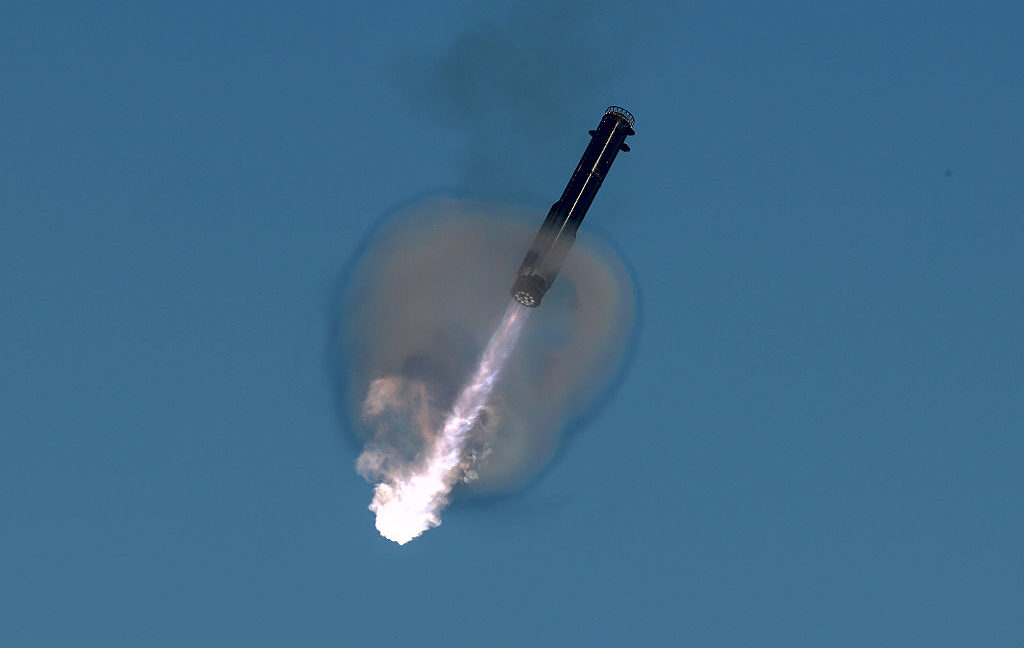
SpaceX successfully launched its Starship rocket on its 15th test flight from South Texas, deploying 26 Starlink V3 satellites into low-Earth orbit while experiencing a booster diversion.
 🧠AI Analysis
Photo: arstechnica.com
Key points
- Starship completed its 15th test flight from Starbase, South Texas.
- Successfully deployed 26 Starlink V3 satellites into low-Earth orbit.
- First-stage booster diverted into the Gulf due to an unspecified issue.
Lifting off right on schedule from Starbase in South Texas under ideal weather conditions, SpaceX completed the 15th test flight of its massive Starship rocket. The first stage powered upward before releasing the upper stage over the Gulf of Mexico, allowing the spacecraft to successfully enter a nominal low-Earth orbit. This milestone marks Starship functioning as an operational, orbital rocket, standing as the largest and most powerful machine ever launched into space by humans.
During the flight, the primary mission objective was achieved roughly 40 minutes into the journey with the deployment of 26 Starlink V3 satellites, all of which safely reached orbit and began using onboard propulsion to raise their altitude. However, the first-stage booster encountered an unspecified issue during its return, leading ground control to command the vehicle to divert into the Gulf rather than returning to the launch tower for a mechanical catch.
Despite the booster deviation, the mission continues as SpaceX prepares for a potential historic attempt to return and catch the Starship upper stage. Engineers also tested a redesigned heat shield featuring curved tiles and additional retention mechanisms designed to mitigate thermal incursion and tile loss during atmospheric reentry.
The primary aim of Friday’s launch was the deployment of 26 Starlink V3 satellites from a narrow door at the base of the spacecraft.
AI Assessment: This flight demonstrates critical progression in orbital deployment capabilities for heavy-lift rocketry, transitioning Starship from purely experimental launches to active payload delivery. While the inability to recover the first-stage booster highlights ongoing hurdles in achieving full reusability, upcoming upper-stage return tests will provide vital telemetry on thermal protection systems. Successfully validating the heat shield and landing procedures will heavily influence the timeline for commercial deployment and rapid turnaround rates.
Source arstechnica.com — arstechnica.com/space/2026/11/starship-flight-15-powers-to-orbit-settin… ↗
Read next
 ⌚Wearables
Apple Launches Health AI Study App for iPhone and Apple Watch Users
Apple has rolled out a dedicated application for its new Health AI Study, inviting US users to examine how people interact with conversational medical tools.
 💻Laptops & PCs
How to clear app caches on your Mac to free up storage and fix glitches
Learn when and how to manually clear application caches on your macOS device to reclaim valuable storage space and troubleshoot software glitches.
 🏠Smart Home
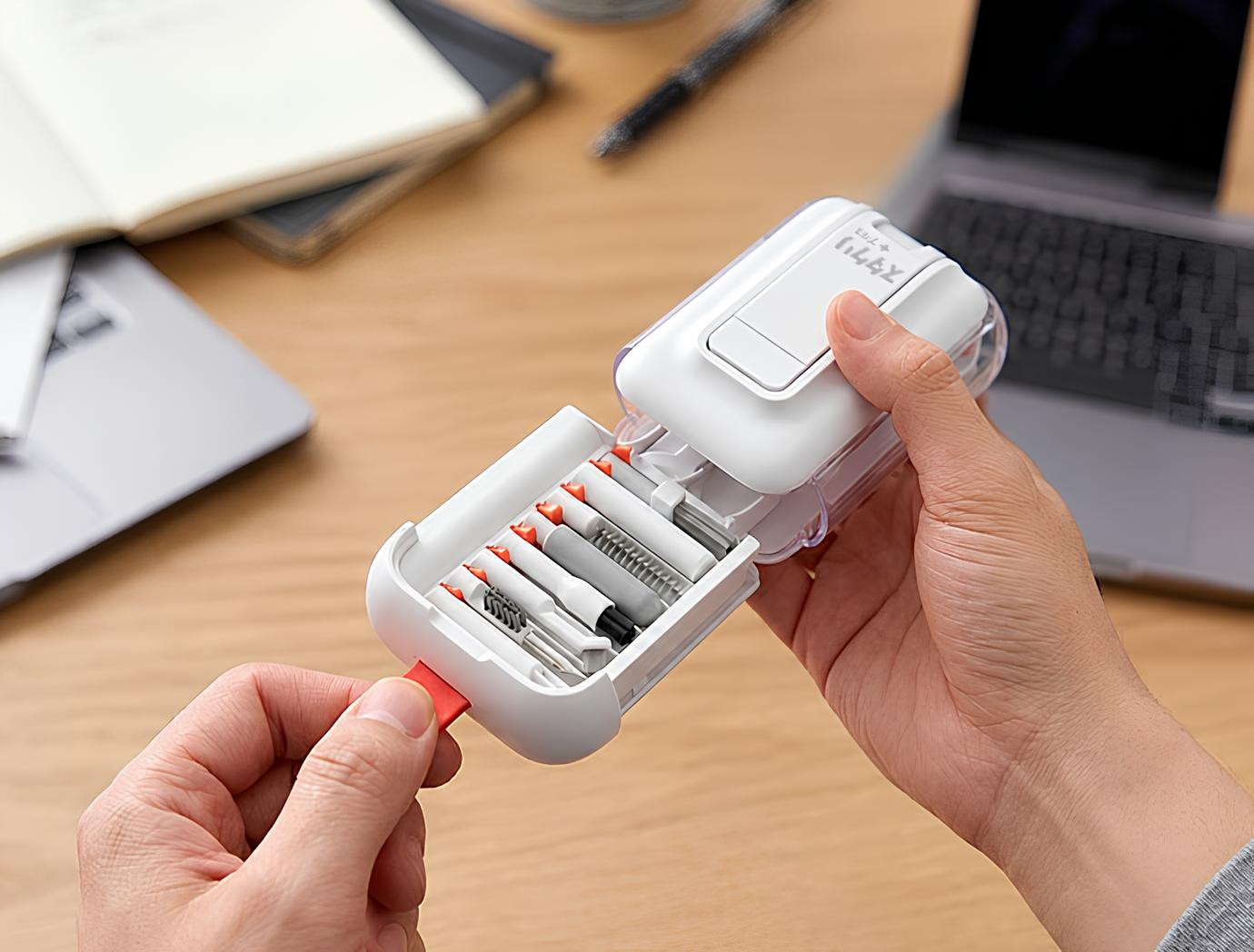
Area Launches Stakuri Plus: A Compact Phone Stand Packed With 17 Cleaning Tools
Japanese brand Area has released the Stakuri Plus, a portable smartphone stand that doubles as a comprehensive 17-in-1 electronics cleaning kit for roughly $16.
 🧭Buying Guides
Cloud vs. Local Storage: Which Backup Method Fits Your Gadgets Best?
A detailed comparison of cloud storage services like iCloud and Google Drive versus physical local drives, weighing access, costs, and reliability.
 🧭Buying Guides
Zelda: Ocarina of Time Remake Review Sparks Metacritic Debate
A single mixed review for the upcoming Zelda: Ocarina of Time remake on the Switch 2 has dropped its Metascore from 96 to 95, igniting backlash from fans.
 📱Phones
Understanding Sudden Phone Battery Drops: Causes and Fixes
Experiencing rapid battery percentage drops on your phone can be frustrating, but the issue usually stems from aging lithium-ion cells, background software processes, or …