CDC Study Reveals Widespread Off-Prescription and Compounded GLP-1 Usage Across the US
A new CDC study indicates that roughly 27 million American adults used GLP-1 medications in 2025, with nearly half altering their doses or turning to unapproved compounded alternatives due to cost and availability.
 🧠AI Analysis
Photo: arstechnica.com
Key points
- Roughly 27 million US adults used GLP-1 medications in 2025.
- Nearly half of users modified their dosing due to cost or availability.
- At least 23 percent of users turned to unapproved compounded alternatives.
Recent findings from the Centers for Disease Control and Prevention indicate that approximately 9.8 percent of US adults—translating to roughly 27 million people—used glucagon-like peptide-1 receptor agonists in 2025 for conditions ranging from diabetes to weight management. However, the data highlights significant gaps between clinical guidelines and real-world application, raising urgent questions regarding patient safety, drug efficacy, and market access.
According to the study, nearly 44 percent of surveyed GLP-1 users admitted to taking the medications differently than prescribed by skipping doses, stretching out refills, or reducing quantities. Over half of those who modified their regimens pointed to financial constraints and supply hurdles, with younger demographics aged 14 to 39 facing the steepest cost barriers at 58 percent, compared to just 20 percent of adults aged 65 and older.
Furthermore, the research underscores a heavy reliance on alternative treatments, with at least 23 percent of users relying on compounded formulations that mimic FDA-approved brand names like Ozempic and Wegovy. Because these compounded variants lack formal FDA evaluation for safety, quality, or effectiveness, the high rate of non-adherence among their users—reaching 62 percent—presents notable public health concerns amplified by misleading online marketing tactics.
Source arstechnica.com — arstechnica.com/health/2026/11/millions-in-us-use-unapproved-glp-1s-and… ↗
Read next
 ⌚Wearables
Apple Launches Health AI Study App for iPhone and Apple Watch Users
Apple has rolled out a dedicated application for its new Health AI Study, inviting US users to examine how people interact with conversational medical tools.
 💻Laptops & PCs
How to clear app caches on your Mac to free up storage and fix glitches
Learn when and how to manually clear application caches on your macOS device to reclaim valuable storage space and troubleshoot software glitches.
 🏠Smart Home
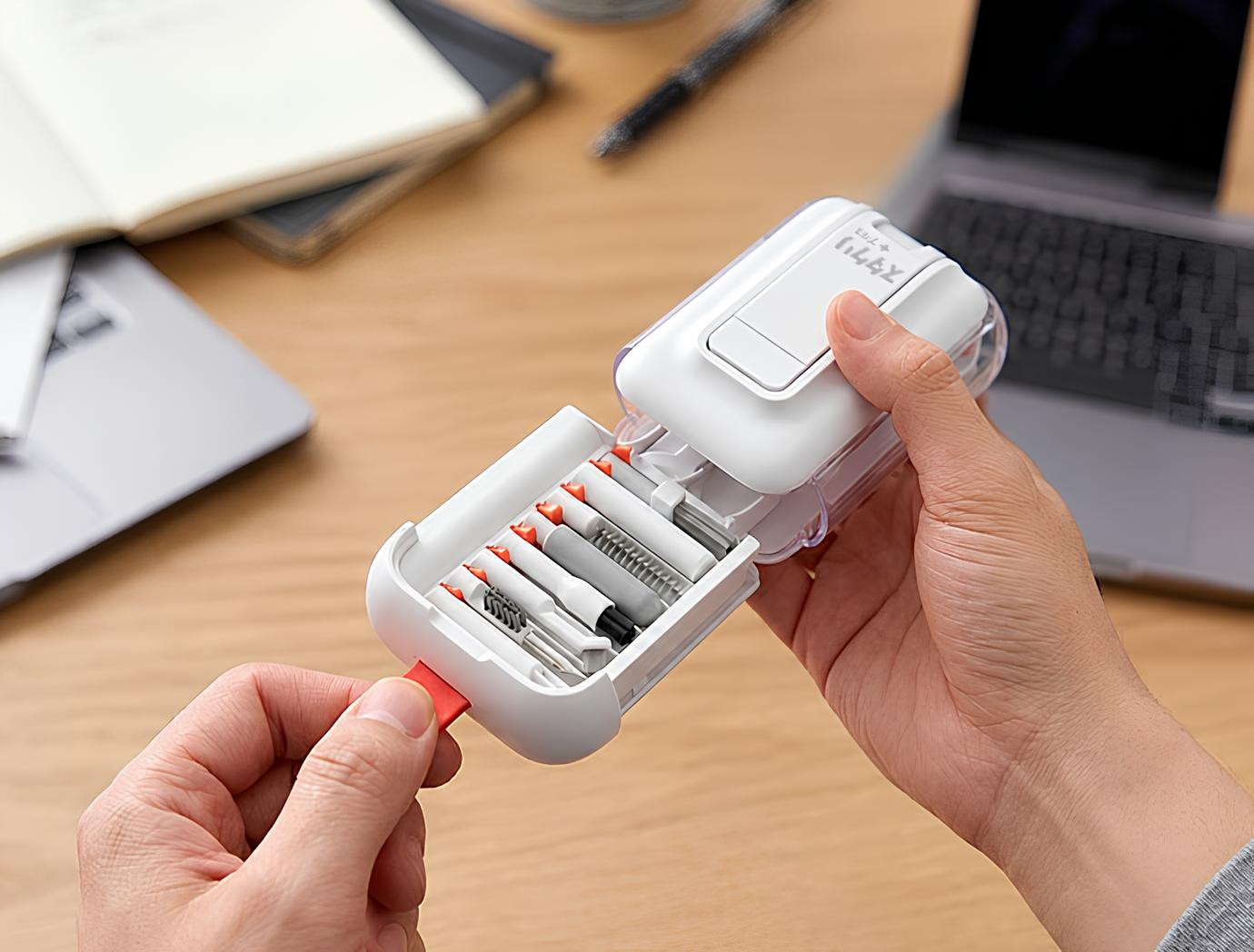
Area Launches Stakuri Plus: A Compact Phone Stand Packed With 17 Cleaning Tools
Japanese brand Area has released the Stakuri Plus, a portable smartphone stand that doubles as a comprehensive 17-in-1 electronics cleaning kit for roughly $16.
 🧭Buying Guides
Cloud vs. Local Storage: Which Backup Method Fits Your Gadgets Best?
A detailed comparison of cloud storage services like iCloud and Google Drive versus physical local drives, weighing access, costs, and reliability.
 🧭Buying Guides
Zelda: Ocarina of Time Remake Review Sparks Metacritic Debate
A single mixed review for the upcoming Zelda: Ocarina of Time remake on the Switch 2 has dropped its Metascore from 96 to 95, igniting backlash from fans.
 📱Phones
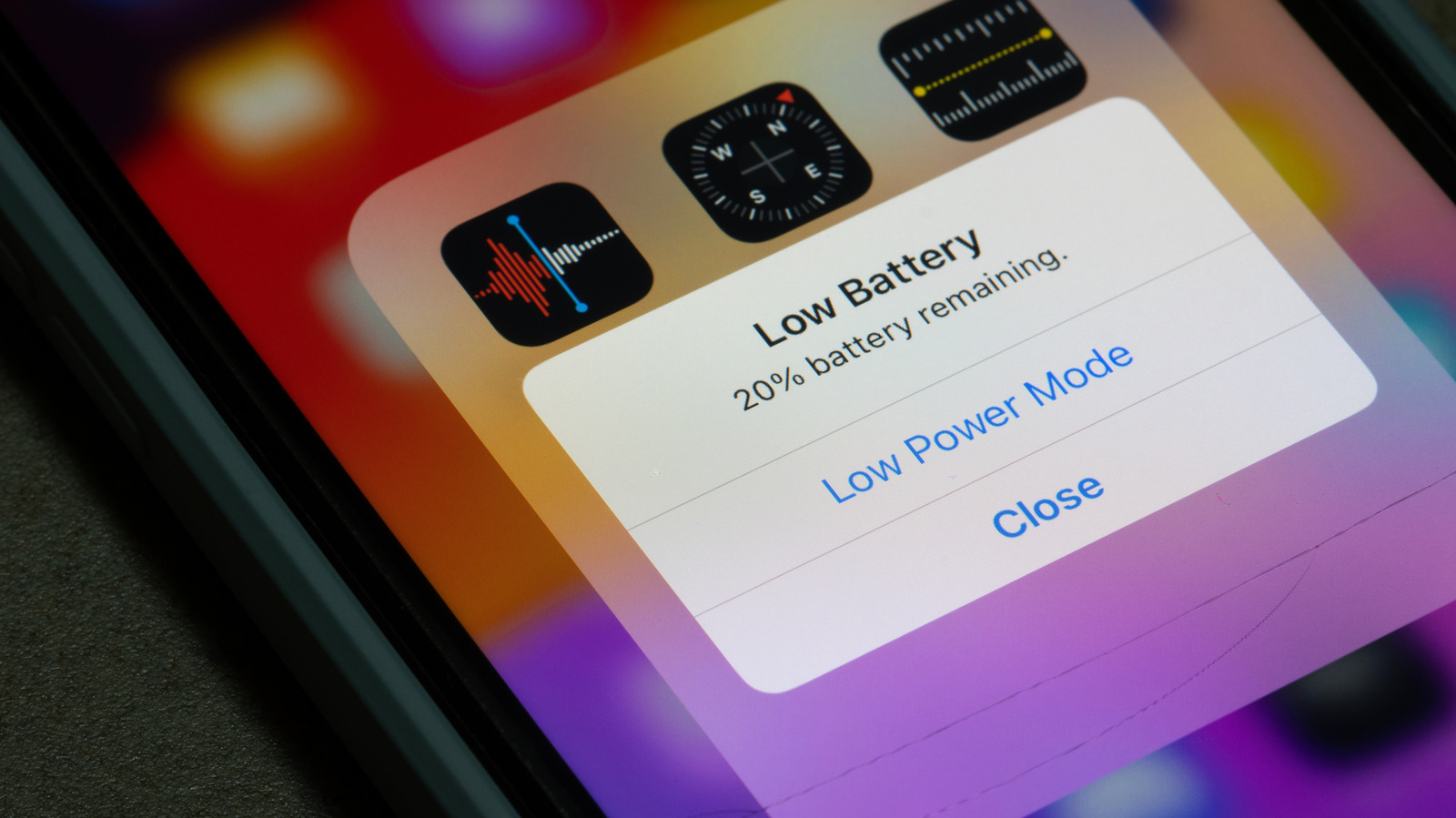
Understanding Sudden Phone Battery Drops: Causes and Fixes
Experiencing rapid battery percentage drops on your phone can be frustrating, but the issue usually stems from aging lithium-ion cells, background software processes, or …