AI Glasses Face Growing Global Bans in Courts, Schools, and Public Spaces Over Privacy Concerns
Governments, educational institutions, and courts worldwide are implementing strict bans on camera-equipped AI smart glasses due to mounting privacy and security risks.
 🧠AI Analysis
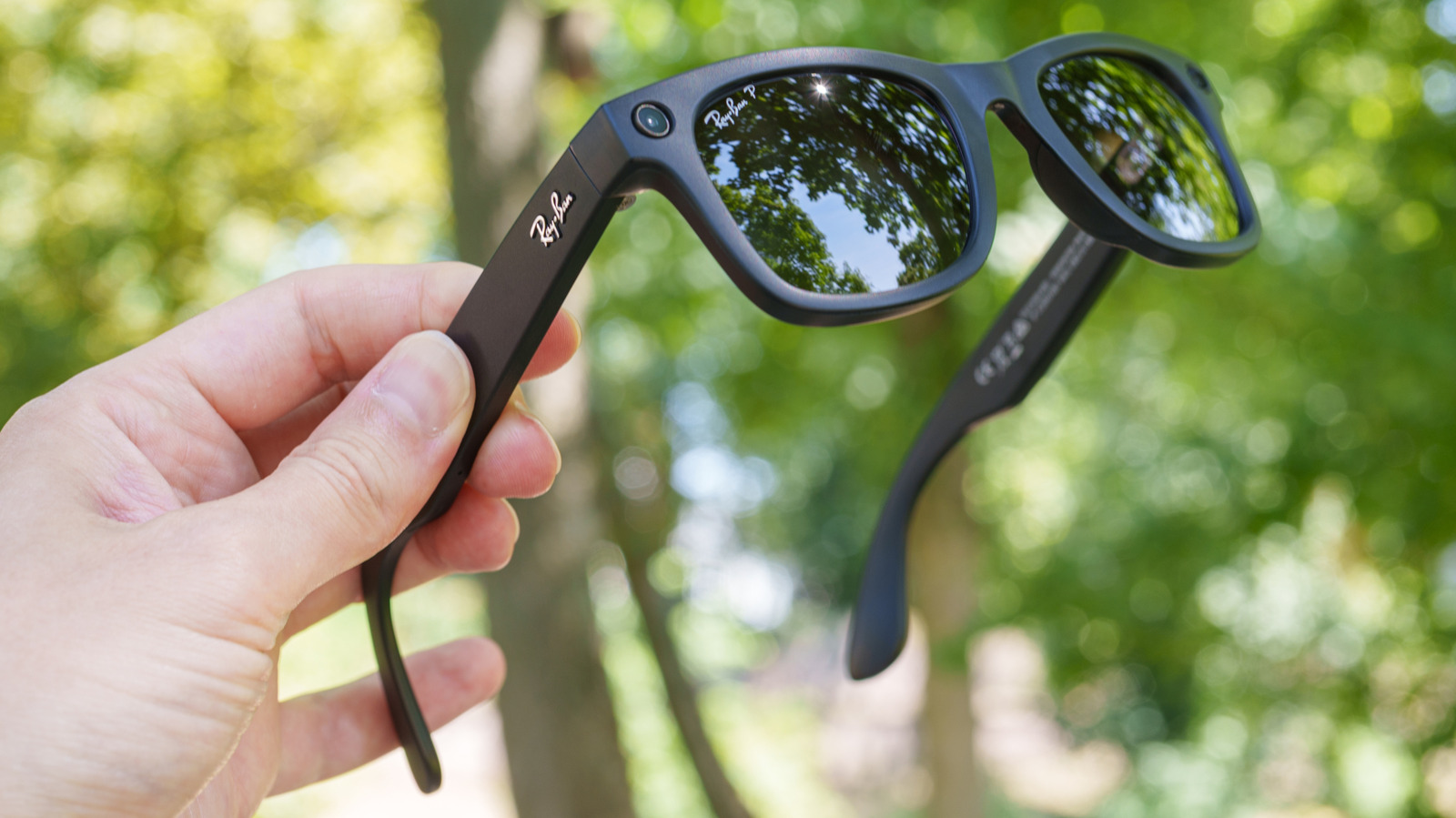
Photo: engadget.com
Key points
- Pakistan's Punjab province enacted a 30-day ban on the sale and use of camera-equipped smart glasses.
- Courts in New York, England, and Wales have prohibited smart glasses from courtrooms entirely.
- Schools in Australia and global SAT test sites restrict the wearables to prevent cheating and privacy violations.
Camera-equipped AI smart glasses are facing an expanding wave of restrictions across the globe, with schools, courts, and public facilities prohibiting the wearable devices over growing privacy and safety concerns. While no nation has enacted a total permanent prohibition, regional restrictions are multiplying quickly.
Governments and regulatory bodies are cracking down on devices featuring hidden recording capabilities. In Pakistan, the Punjab province instituted a temporary 30-day ban in October 2026 covering the sale and use of camera-integrated smart glasses, alongside pen and keychain miniature cameras. Local authorities reported receiving numerous complaints regarding illegal surveillance, harassment, and blackmail involving such gadgets.
Judicial systems are similarly drawing a hard line against the technology. New York state and local courts banned smart glasses containing cameras, microphones, or computers, requiring visitors to surrender them to officers regardless of whether the devices are powered on. Similar rules have been enforced in courtrooms in England and Wales, as well as during high-profile legal proceedings in Los Angeles. Educational institutions, including public schools in Western Australia and Victoria alongside SAT testing sites, have also outlawed the wearables to prevent cheating and protect student privacy.
Public venues, military installations, and cruise lines are adopting comparable policies. Facilities at Camp Lejeune, UK cinemas, and specific zones aboard Royal Caribbean ships now restrict smart glasses. Meanwhile, Norwegian officials are weighing temporary limitations across public parks, gyms, and shopping centers, navigating the fine line between non-camera assistive smart glasses and photo-capturing models like the Ray-Ban Meta series.
Source engadget.com — engadget.com/2313707/ai-glasses-banned-places-list-keeps-growing/ ↗
Read next
 ⌚Wearables
Apple Launches Health AI Study App for iPhone and Apple Watch Users
Apple has rolled out a dedicated application for its new Health AI Study, inviting US users to examine how people interact with conversational medical tools.
 💻Laptops & PCs
How to clear app caches on your Mac to free up storage and fix glitches
Learn when and how to manually clear application caches on your macOS device to reclaim valuable storage space and troubleshoot software glitches.
 🏠Smart Home
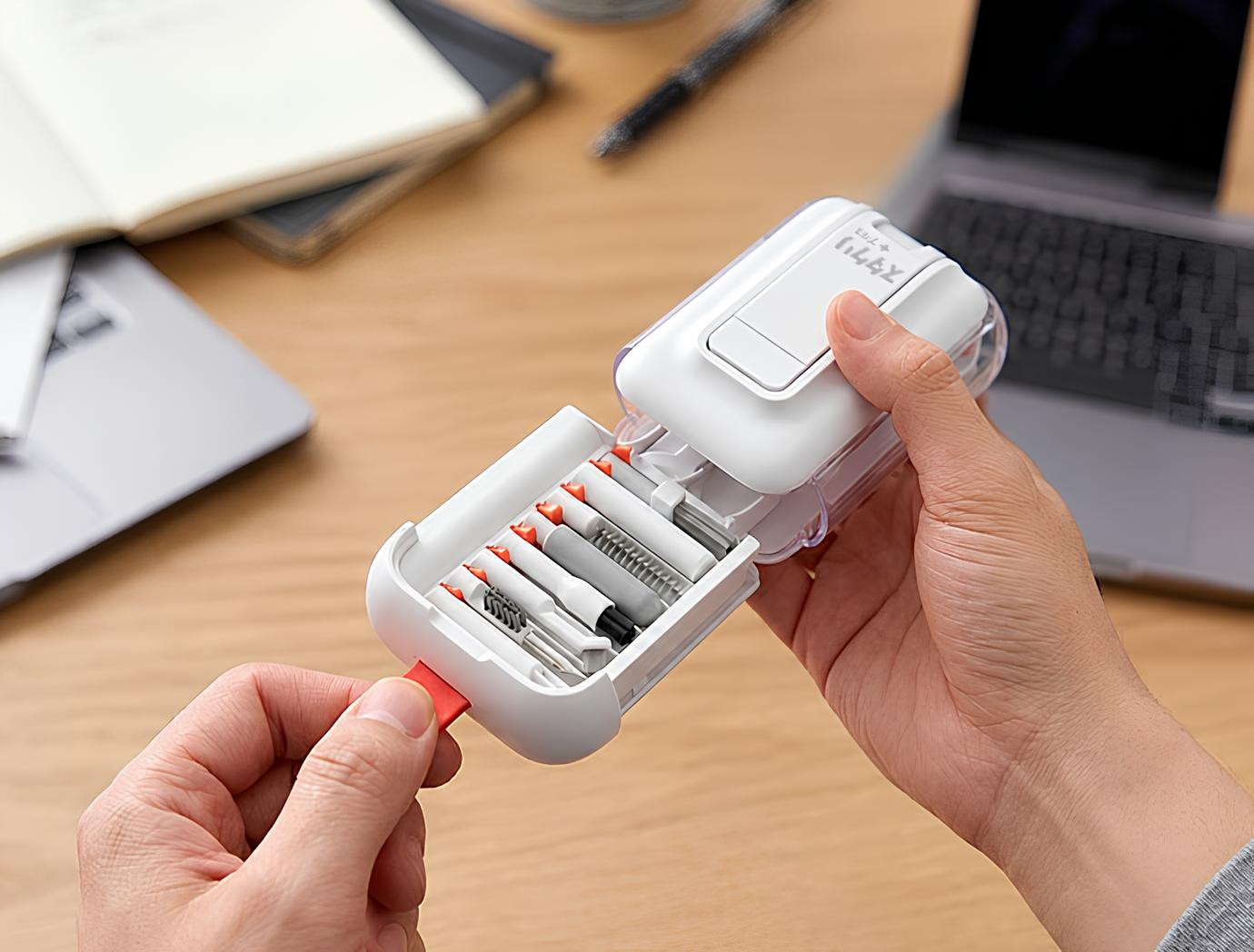
Area Launches Stakuri Plus: A Compact Phone Stand Packed With 17 Cleaning Tools
Japanese brand Area has released the Stakuri Plus, a portable smartphone stand that doubles as a comprehensive 17-in-1 electronics cleaning kit for roughly $16.
 🧭Buying Guides
Cloud vs. Local Storage: Which Backup Method Fits Your Gadgets Best?
A detailed comparison of cloud storage services like iCloud and Google Drive versus physical local drives, weighing access, costs, and reliability.
 🧭Buying Guides
Zelda: Ocarina of Time Remake Review Sparks Metacritic Debate
A single mixed review for the upcoming Zelda: Ocarina of Time remake on the Switch 2 has dropped its Metascore from 96 to 95, igniting backlash from fans.
 📱Phones
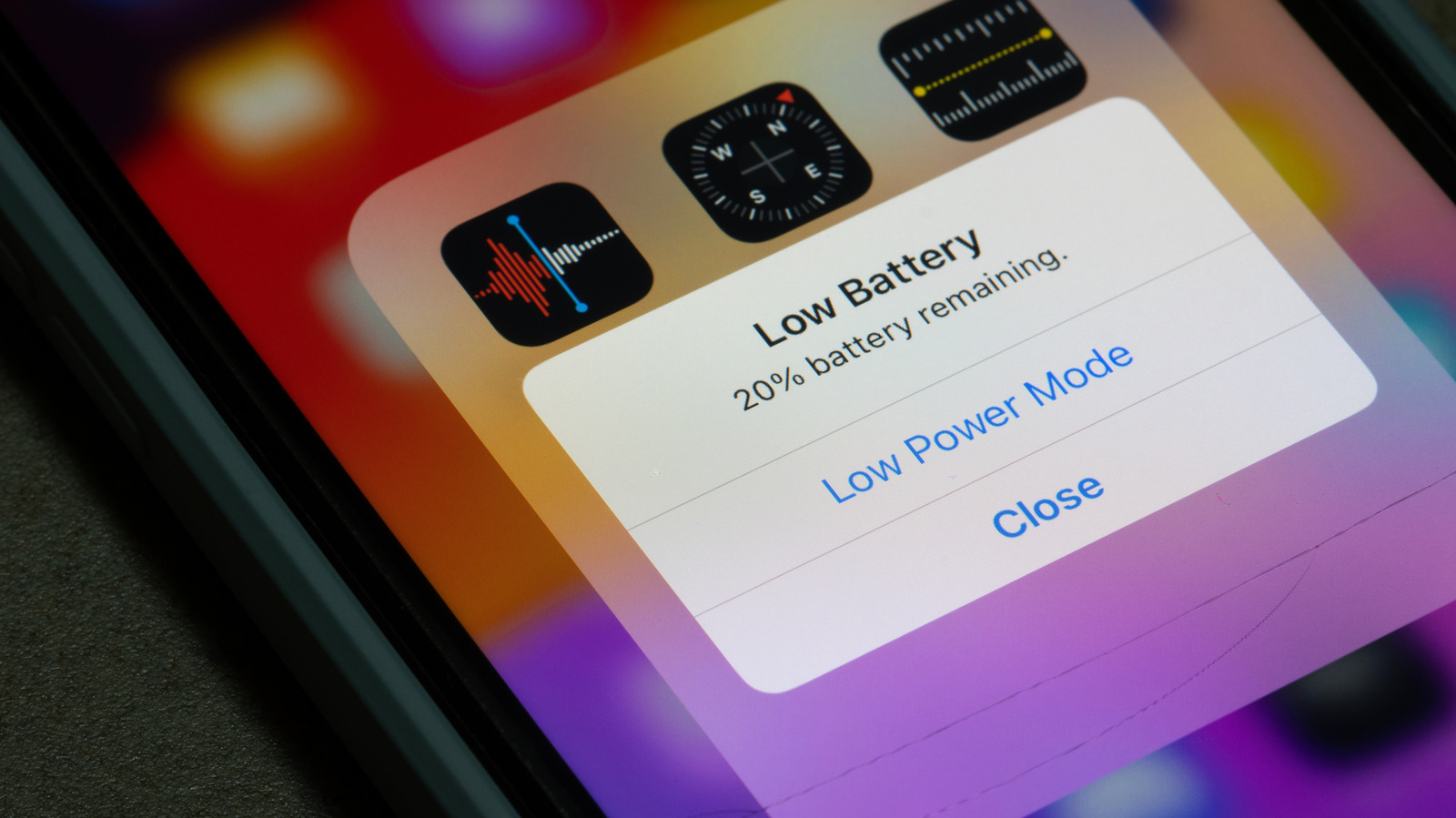
Understanding Sudden Phone Battery Drops: Causes and Fixes
Experiencing rapid battery percentage drops on your phone can be frustrating, but the issue usually stems from aging lithium-ion cells, background software processes, or …