The Engineering Purpose Behind the Two Square Holes in USB-A Connectors
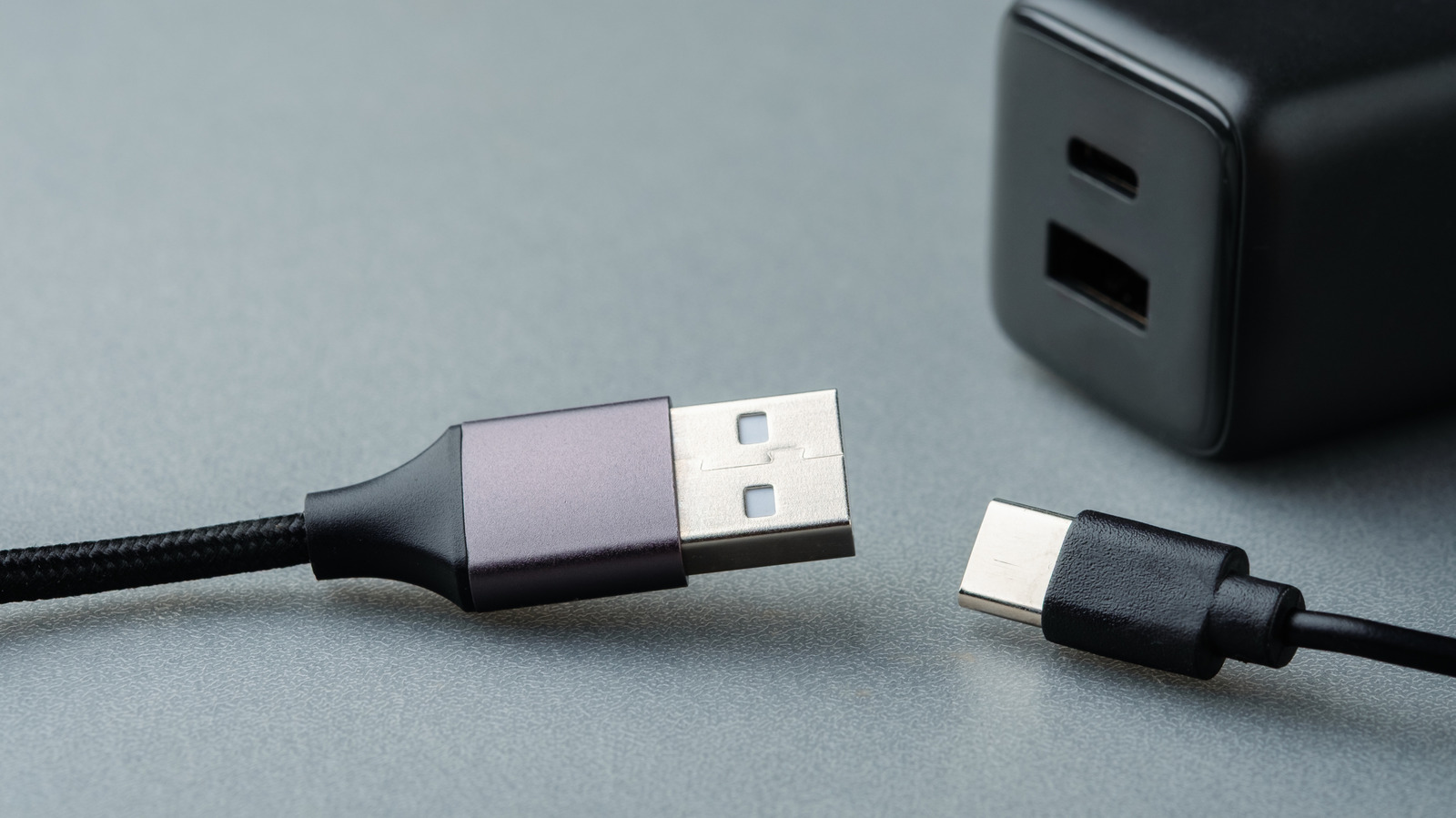
While USB-C dominates modern tech, the older USB-A standard still appears on many accessories. The two square holes on its male connectors serve a vital mechanical function rather than an aesthetic one.
 🧠AI Analysis
Photo: engadget.com
Key points
- Square holes on USB-A connectors are part of a physical locking mechanism.
- Female ports use spring-loaded retention clips that snap into these holes to prevent accidental disconnections.
- Modern USB-C connectors use a different internal latching system, eliminating the need for exterior holes.
Although reversible USB-C ports have largely taken over modern gadgets for charging and data transfer, the legacy Universal Serial Bus Type-A connector remains a common sight for office peripherals and accessories. Conceived in the late 1990s by a coalition of tech giants including Intel, Microsoft, and IBM, the standard was engineered to unify connections for plug-and-play devices like keyboards and printers.
Most male USB-A plugs feature two distinct square-shaped cutouts, a subtle design trait that users rarely notice until plugging in a flash drive or cable. These apertures play a crucial role in the physical locking mechanism of the hardware. Female USB-A ports contain spring-loaded retention clips designed to snap securely into these square holes, preventing accidental disconnections during data transfers or power delivery.
Users typically hear a definitive click when inserting a USB-A device slowly, indicating the locking mechanism has engaged. These ports are built to endure thousands of insertion cycles. In contrast, newer standards like USB-C utilize internal spring-loaded tabs that latch onto notches directly inside the connector itself, rendering the external square holes unnecessary while supporting a fully reversible plug orientation.
Source engadget.com — engadget.com/2313749/why-some-usb-connectors-have-2-square-holes/ ↗
Read next
 ⌚Wearables
Apple Launches Health AI Study App for iPhone and Apple Watch Users
Apple has rolled out a dedicated application for its new Health AI Study, inviting US users to examine how people interact with conversational medical tools.
 💻Laptops & PCs
How to clear app caches on your Mac to free up storage and fix glitches
Learn when and how to manually clear application caches on your macOS device to reclaim valuable storage space and troubleshoot software glitches.
 🏠Smart Home
Area Launches Stakuri Plus: A Compact Phone Stand Packed With 17 Cleaning Tools
Japanese brand Area has released the Stakuri Plus, a portable smartphone stand that doubles as a comprehensive 17-in-1 electronics cleaning kit for roughly $16.
 🧭Buying Guides
Cloud vs. Local Storage: Which Backup Method Fits Your Gadgets Best?
A detailed comparison of cloud storage services like iCloud and Google Drive versus physical local drives, weighing access, costs, and reliability.
 🧭Buying Guides
Zelda: Ocarina of Time Remake Review Sparks Metacritic Debate
A single mixed review for the upcoming Zelda: Ocarina of Time remake on the Switch 2 has dropped its Metascore from 96 to 95, igniting backlash from fans.
 📱Phones
Understanding Sudden Phone Battery Drops: Causes and Fixes
Experiencing rapid battery percentage drops on your phone can be frustrating, but the issue usually stems from aging lithium-ion cells, background software processes, or …