CATL Targets Battery Swap Stations to Overcome Sodium-Ion Range Limitations
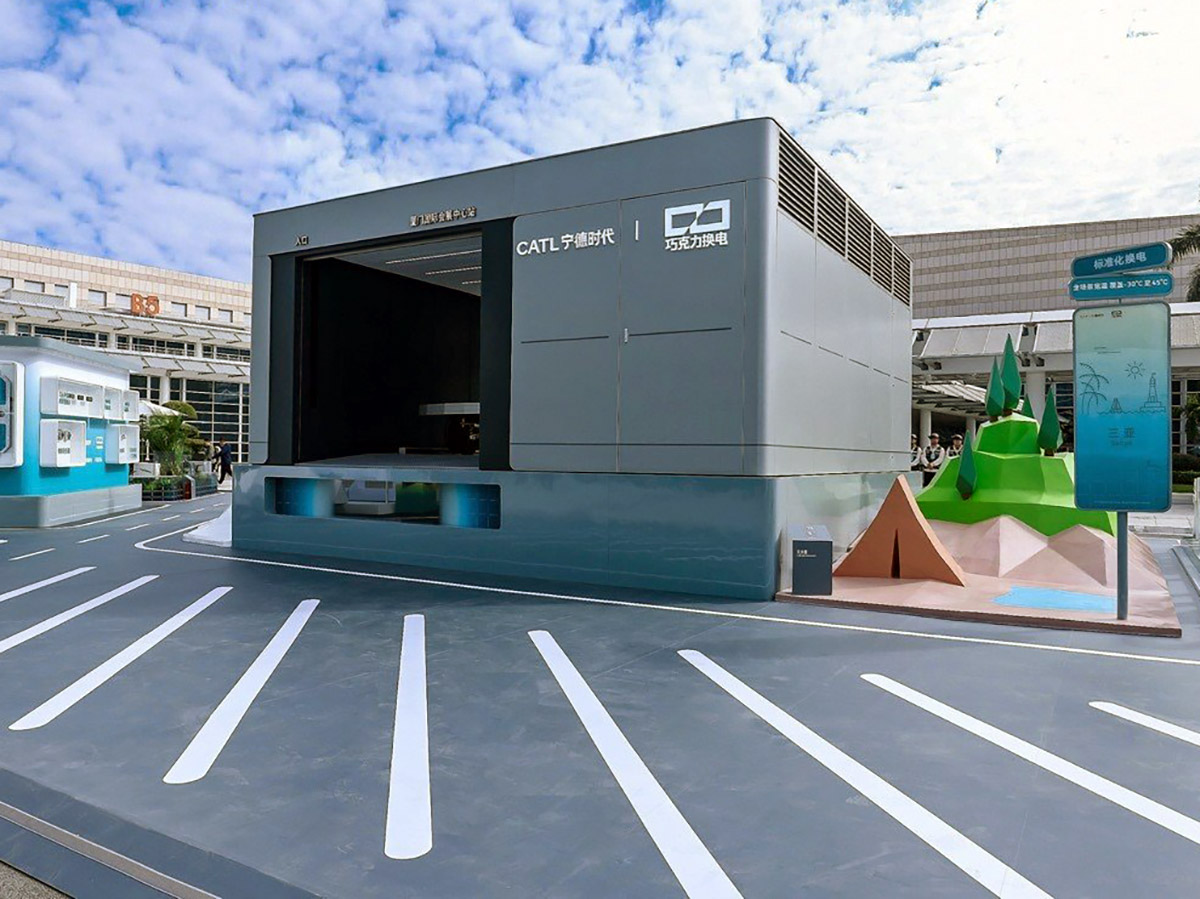
CATL plans to pair sodium-ion batteries with an expanding battery swap network to mitigate range anxiety, targeting over 3,000 passenger car stations by the end of 2026.
 🧠AI Analysis
Photo: Notebookcheck News
Key points
- CATL is combining sodium-ion batteries with its Choco-Swap station network to bypass range anxiety.
- Sodium-ion cells offer strong cold-weather performance, cost parity with LFP, and better safety, but suffer from lower energy density.
- The company targets over 3,000 passenger car swap stations nationwide by the end of 2026 alongside a $735 million investment in 40 GWh of capacity.
Battery giant CATL is tackling the primary drawback of sodium-ion technology—lower energy density and restricted driving range—by integrating these packs into its proprietary Choco-Swap network. Speaking at a Benchmark Mineral Intelligence event in Shanghai, Chairman Robin Zeng explained that while sodium-ion cells comfortably manage daily urban commuting, battery swap infrastructure can efficiently service longer weekend journeys without requiring long charging stops.
Sodium-ion chemistry offers notable advantages, including cost parity with LFP cells, resistance to lithium price volatility, enhanced safety due to non-flammable electrolytes, and strong cold-weather performance. Notably, the sodium-ion cells revealed in a vehicle partnership with Changan in February achieve up to 175 Wh/kg for a range exceeding 400 kilometers (around 249 miles) and retain over 90% capacity at -40°C (-40°F). By utilizing rapid battery swapping instead of stationary charging, the impact of lower energy density is effectively minimized.
To support this infrastructure push, CATL operates swap stations in approximately 200 Chinese cities and aims to scale its Choco-Swap network past 3,000 passenger car stations nationwide by the conclusion of 2026. This builds on an existing footprint of 1,020 stations across 45 cities recorded in December 2025. Although production volumes remain modest—with 10,000 to 20,000 electric vehicles projected to adopt sodium-ion batteries in 2026—CATL has backed its strategy with a $735 million investment dedicated to 40 GWh of manufacturing capacity.
Source Notebookcheck News — notebookcheck.net/CATL-is-solving-the-sodium-ion-battery-range-anxi… ↗
Read next
 📰Gadget News
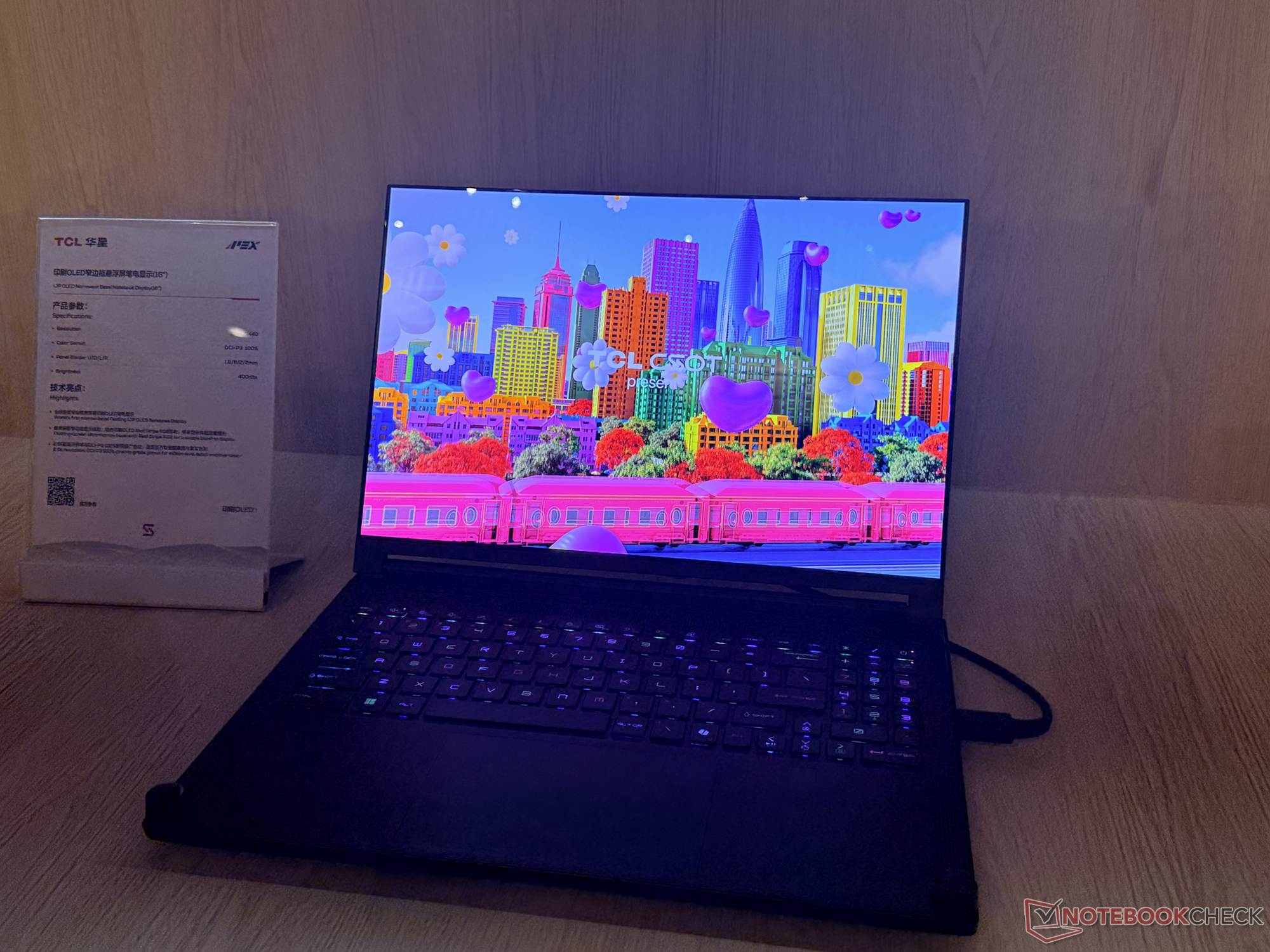
TCL Debuts 16-Inch IJP OLED Laptop Panel with Ultra-Slim Bezels
TCL CSOT has unveiled a next-generation 16-inch Inkjet Printed OLED laptop display prototype featuring exceptionally narrow bezels and robust color accuracy.
 🧠AI Analysis
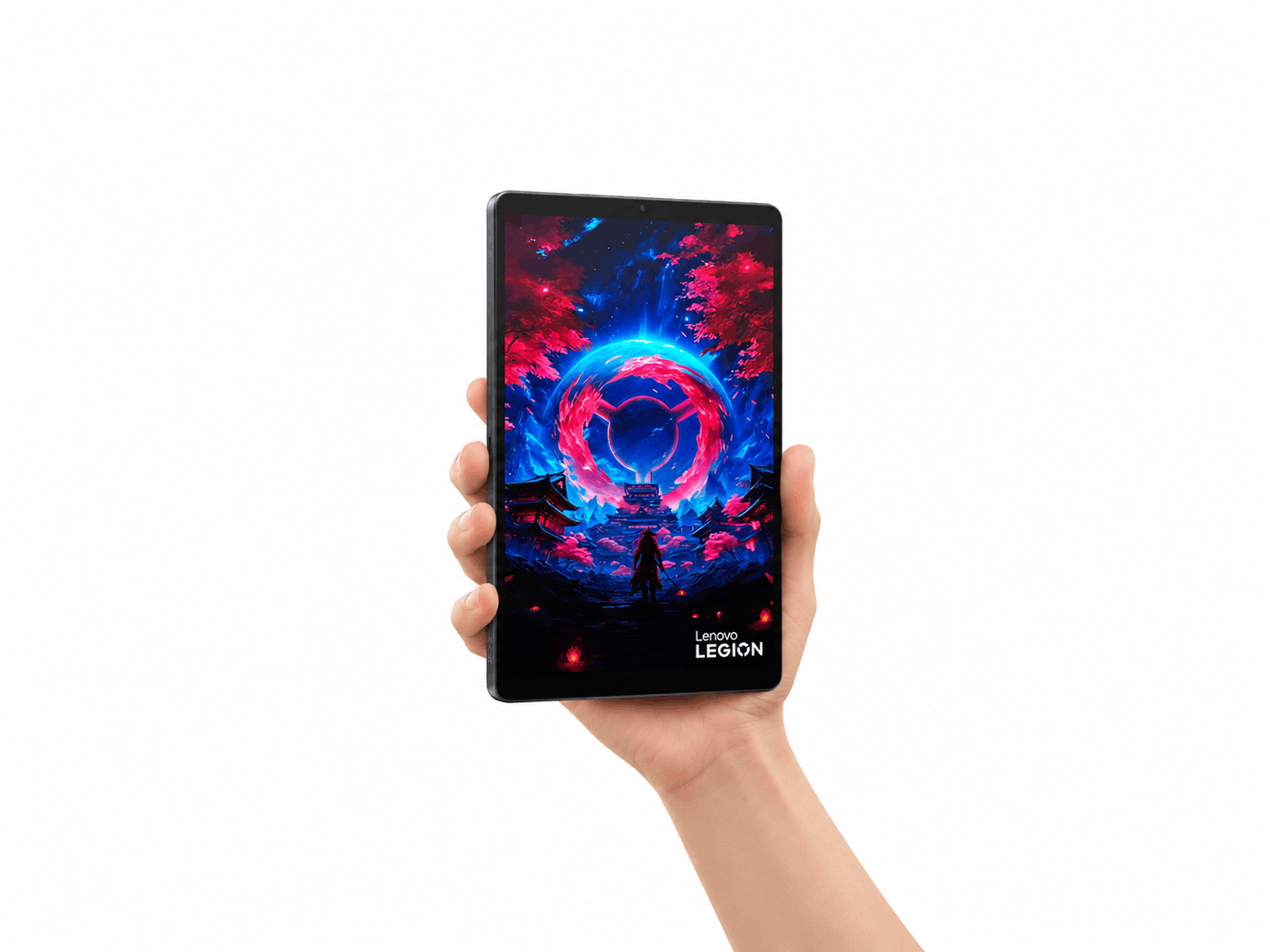
Lenovo Unveils Special-Edition Where Winds Meet Gaming Tablet
Lenovo has revealed a custom Where Winds Meet edition of its compact gaming tablet, featuring unique artistic elements inspired by the game.
 🧠AI Analysis
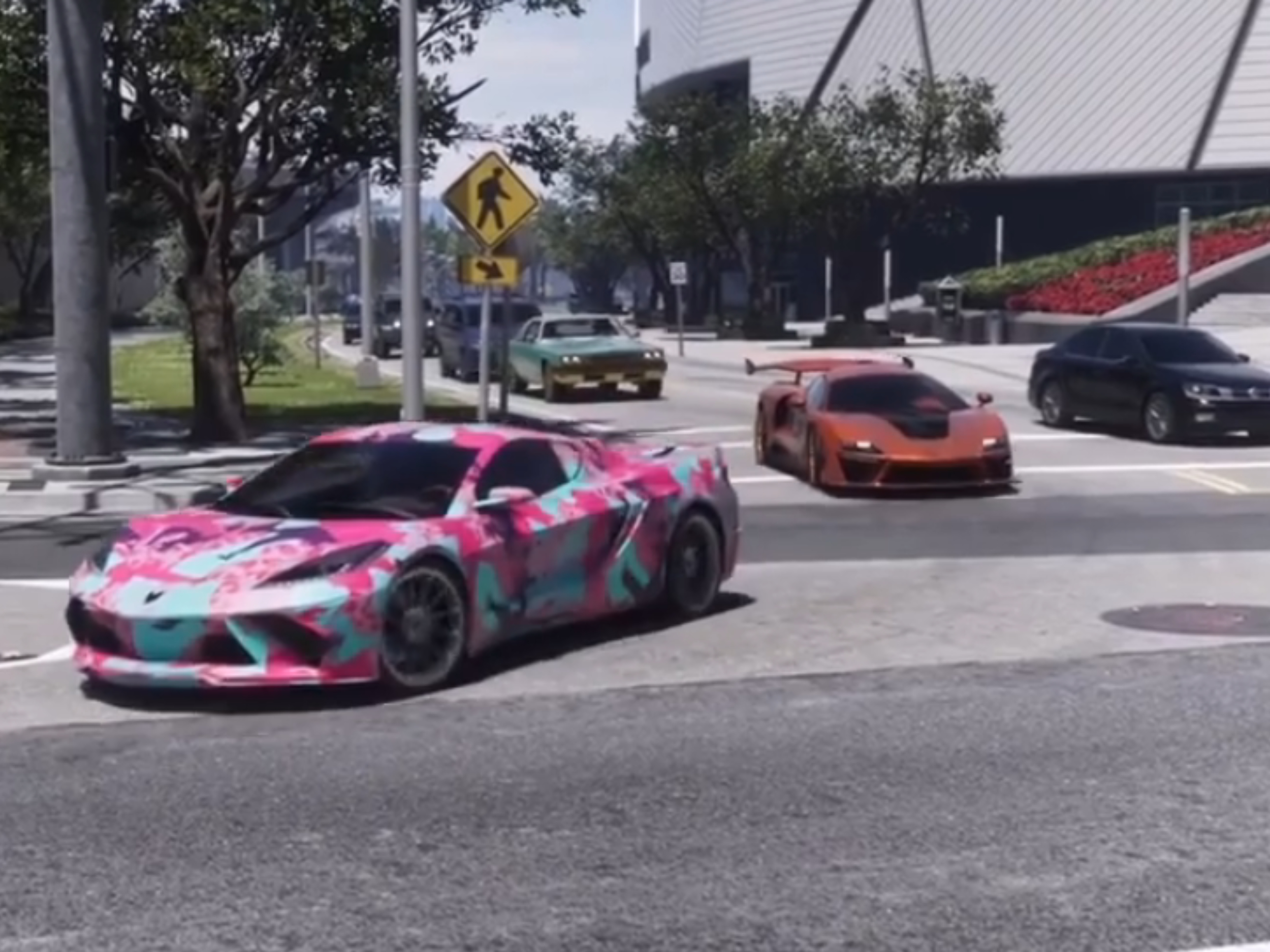
New GTA 6 Video Leak Demonstrates Advanced Engine Realism and NPC Behavior
A second unconfirmed video clip from the upcoming GTA 6 has surfaced online, fooling fans with realistic lighting, vehicle convoys, and lifelike non-player character anim…
 🧠AI Analysis
Tykr Stock Screener Offers 3-Year Premium Plan Discount for Financial Research
The Tykr Stock Screener platform is currently offering a three-year Premium Plan subscription for $59.99, down from its regular $299.97 price tag.
 🧠AI Analysis
Lifetime License for AcePDF Editor Available for $23.99 Using Promo Code
AcePDF Converter and Editor offers lifetime access for $23.99 using a specific discount code, presenting an alternative to subscription-based document software.
 🧠AI Analysis
Google Introduces Gemini 4 Hydrogen Model
Google has launched Gemini 4 Hydrogen as the successor to the 3.8 Flash model, creating a tiered access structure for subscribers and free users.