Why Your New Laptop Has an NPU You Probably Aren't Using Yet
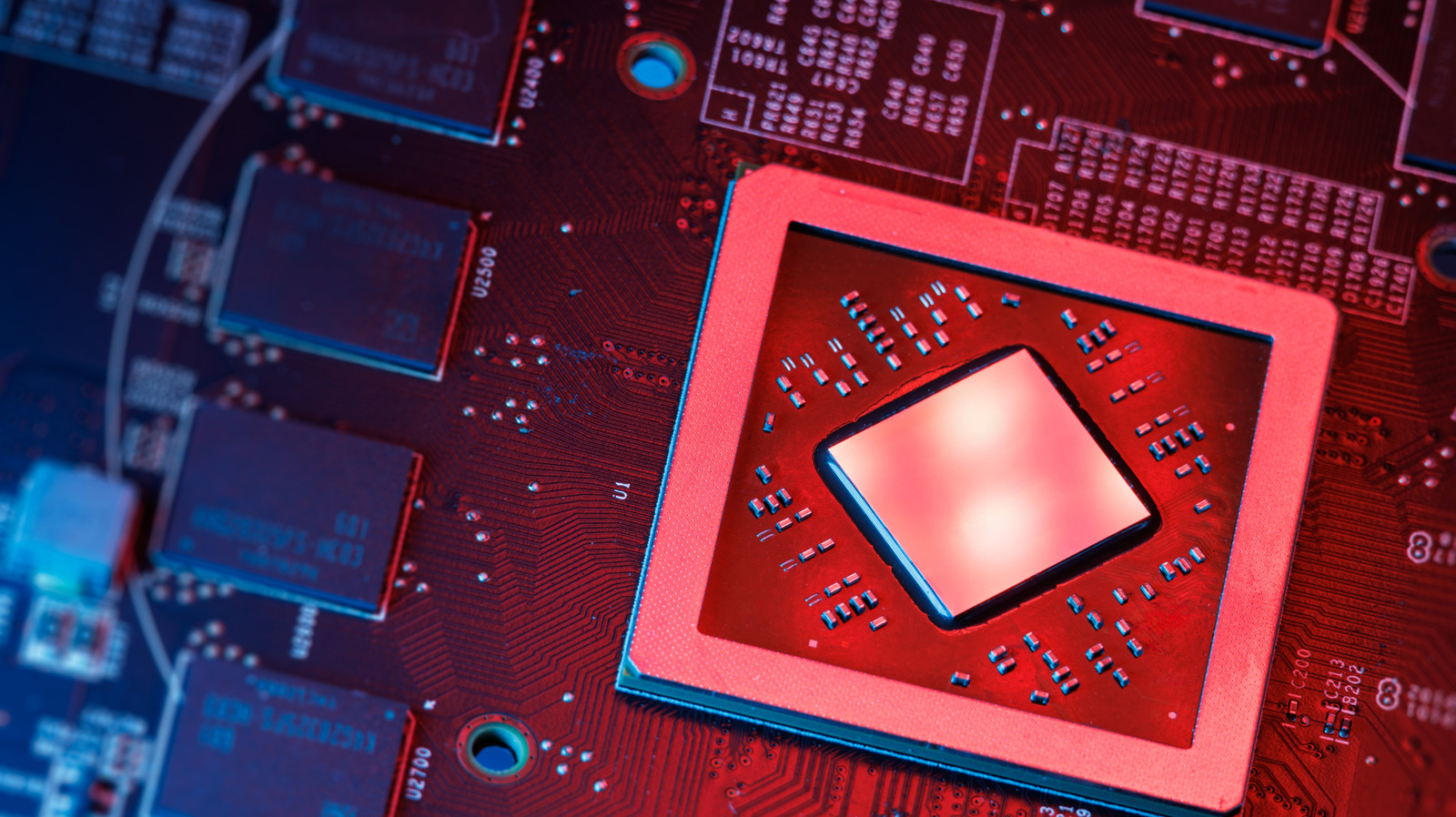
Most mid-range and premium laptops now feature a dedicated Neural Processing Unit (NPU), largely driven by Microsoft's 40 TOPS requirement for AI features, though consumer software utilization remains sparse.
 🧭Buying Guides
Photo: engadget.com
Key points
- NPUs run AI workloads at a fraction of the power required by CPUs or GPUs.
- Microsoft's 40 TOPS requirement for Copilot+ certification drives high NPU adoption.
- Current software support is limited, leaving utilization rates near zero for many users.
If you have purchased a portable computer recently, there is a strong probability it includes a Neural Processing Unit (NPU), a dedicated silicon block built to handle artificial intelligence tasks efficiently. While standard central and graphics processors can consume well over 100 watts of power for these workloads, an NPU typically operates on roughly two watts. According to industry data from Gartner, AI-capable PCs now account for more than half of global shipments, turning up as standard hardware in mid-range and premium machines.
This massive hardware shift stems primarily from platform requirements rather than immediate consumer demand. In 2024, Microsoft established that manufacturers must deliver at least 40 TOPS of dedicated NPU performance—alongside specific memory and storage minimums—to qualify for Copilot+ PC certification and unlock advanced Windows AI features. Silicon makers responded swiftly, with Qualcomm, Intel, and AMD rolling out processors boasting anywhere from 45 to 50 TOPS and beyond, effectively making the hardware unavoidable for buyers shopping for a current-generation device.
Despite the rapid hardware rollout, everyday software utilization lags behind. The list of applications leveraging the NPU is currently limited to background blur and noise suppression in video calls, Windows Studio Effects, live captions, and a handful of creative tools. Running larger local language models or cloud-based services like ChatGPT relies on different resources entirely, leaving the utilization rate in Windows Task Manager at zero for many casual users.
Should you buy it? You do not need to hunt down an NPU specifically for your current workflow, but because manufacturers have made them standard in mid-range and high-end configurations, you will likely get one anyway when upgrading your device.
Source engadget.com — engadget.com/2311854/what-is-npu-why-many-laptops-have-them/ ↗
Read next
 ⌚Wearables
Apple Launches Health AI Study App for iPhone and Apple Watch Users
Apple has rolled out a dedicated application for its new Health AI Study, inviting US users to examine how people interact with conversational medical tools.
 💻Laptops & PCs
How to clear app caches on your Mac to free up storage and fix glitches
Learn when and how to manually clear application caches on your macOS device to reclaim valuable storage space and troubleshoot software glitches.
 🏠Smart Home
Area Launches Stakuri Plus: A Compact Phone Stand Packed With 17 Cleaning Tools
Japanese brand Area has released the Stakuri Plus, a portable smartphone stand that doubles as a comprehensive 17-in-1 electronics cleaning kit for roughly $16.
 📱Phones
Understanding Sudden Phone Battery Drops: Causes and Fixes
Experiencing rapid battery percentage drops on your phone can be frustrating, but the issue usually stems from aging lithium-ion cells, background software processes, or …
 💻Laptops & PCs
What Actually Happens When Your Laptop Battery Drains to Zero
Allowing your laptop battery to completely drain can cause gradual degradation over time, though occasional depletion will not instantly ruin your device.
 ⌚Wearables
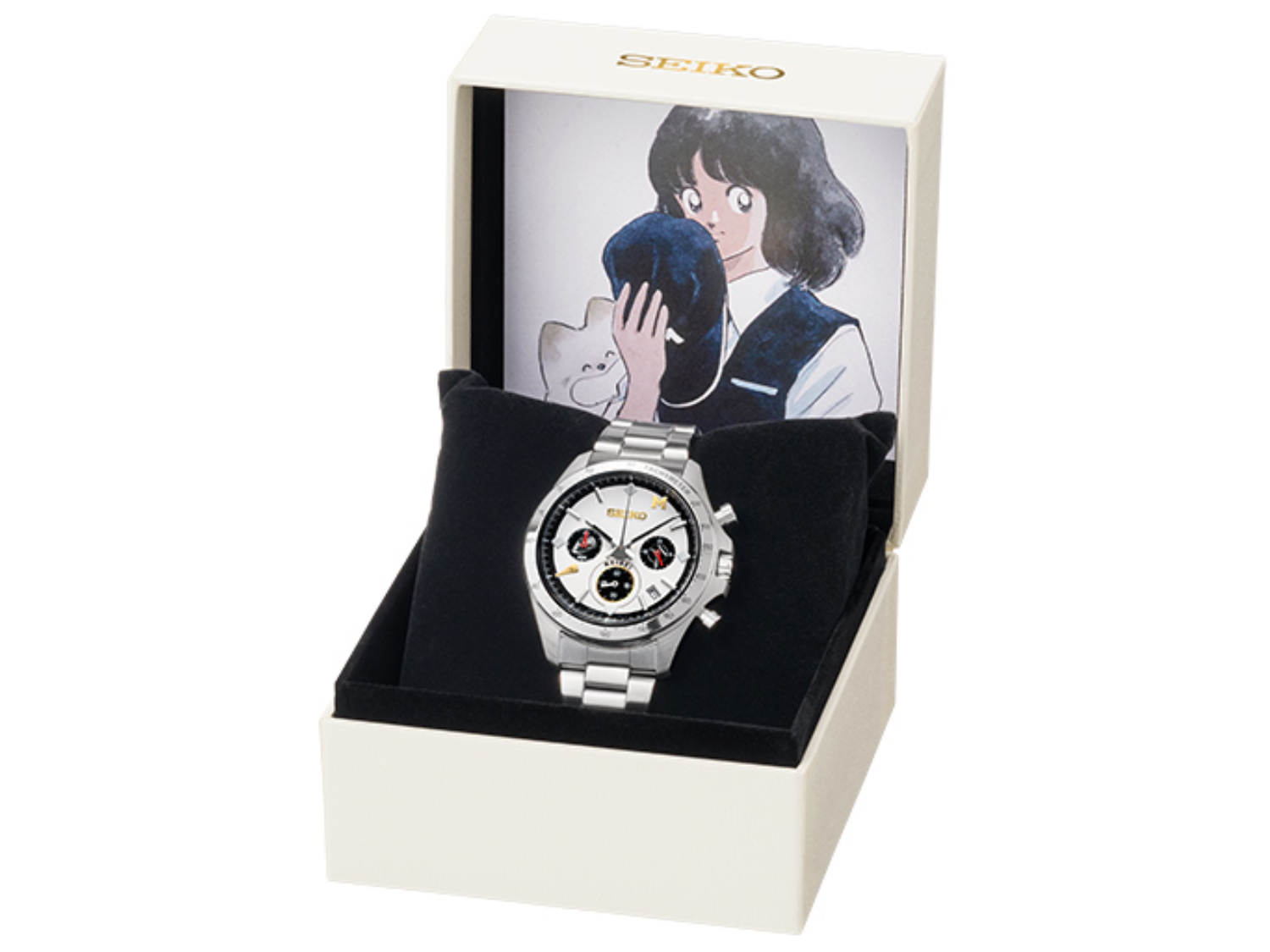
Seiko Launches Limited-Edition Touch Chronograph Featuring Unique Baseball-Themed Dial
Seiko has released a 45th-anniversary chronograph celebrating the baseball manga Touch, limited to 4,500 pieces and priced at roughly $412.