How Apple silicon and MLX turned the Mac Studio into a modern enterprise server
Apple's unified memory architecture and MLX framework enable the Mac Studio to run powerful open-weight AI models locally, acting as a spiritual successor to the discontinued Xserve.
 💻Laptops & PCs
Photo: 9to5mac.com
Key points
- Mac Studio configurations utilizing M5 Ultra chips can run large open-weight models locally.
- Apple's unified memory architecture allows integrated GPUs to access up to 512 GB of memory.
- The MLX framework provides NumPy-like functionality optimized specifically for Apple silicon.
Apple silicon has reshaped local machine learning capabilities, allowing hardware like the Mac Studio to handle advanced open-weight AI models directly on-device. Thanks to a unified memory architecture that supports up to 512 GB on a single machine, these desktop computers can efficiently execute large-scale tasks without relying on massive data center GPU clusters. According to recent evaluations, a configuration utilizing M5 Ultra Mac Studios can run models like Muse Spark Open at speeds exceeding 36 tokens per second while consuming a fraction of the power required by traditional server racks.
This capability suits enterprise IT environments and developers looking to deploy local, private AI workflows without recurring cloud infrastructure costs. While consumer-facing features like Siri continue to lag behind competitors, Apple's hardware and the MLX machine learning framework offer a compelling alternative for professionals who need high-bandwidth, on-premise computing power. Compared to traditional server setups that demand dedicated data center cooling and extensive power budgets, desktop-based Apple silicon configurations fit quietly into standard office spaces.
Should you buy it? For standard users, a high-end Mac Studio remains an over-engineered workstation, but for professionals building local agentic workflows and testing open-weight models, it delivers supercomputer performance in a desktop form factor.
Source 9to5mac.com — 9to5mac.com/2026/11/14/apple-work-the-spiritual-successor-to-the-xserve… ↗
Read next
 ⌚Wearables
Apple Launches Health AI Study App for iPhone and Apple Watch Users
Apple has rolled out a dedicated application for its new Health AI Study, inviting US users to examine how people interact with conversational medical tools.
 🏠Smart Home
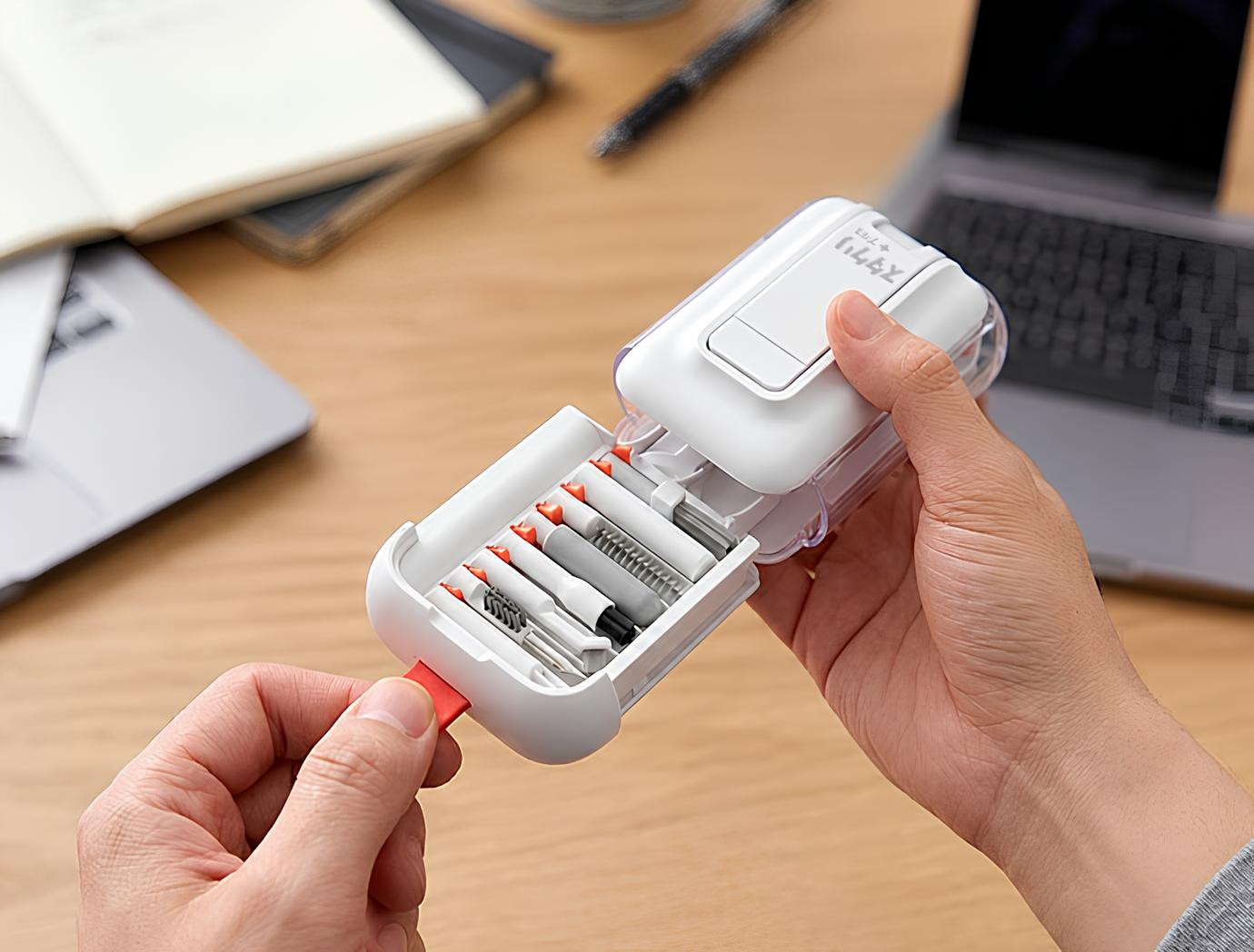
Area Launches Stakuri Plus: A Compact Phone Stand Packed With 17 Cleaning Tools
Japanese brand Area has released the Stakuri Plus, a portable smartphone stand that doubles as a comprehensive 17-in-1 electronics cleaning kit for roughly $16.
 🧭Buying Guides
Cloud vs. Local Storage: Which Backup Method Fits Your Gadgets Best?
A detailed comparison of cloud storage services like iCloud and Google Drive versus physical local drives, weighing access, costs, and reliability.
 🧭Buying Guides
Zelda: Ocarina of Time Remake Review Sparks Metacritic Debate
A single mixed review for the upcoming Zelda: Ocarina of Time remake on the Switch 2 has dropped its Metascore from 96 to 95, igniting backlash from fans.
 📱Phones
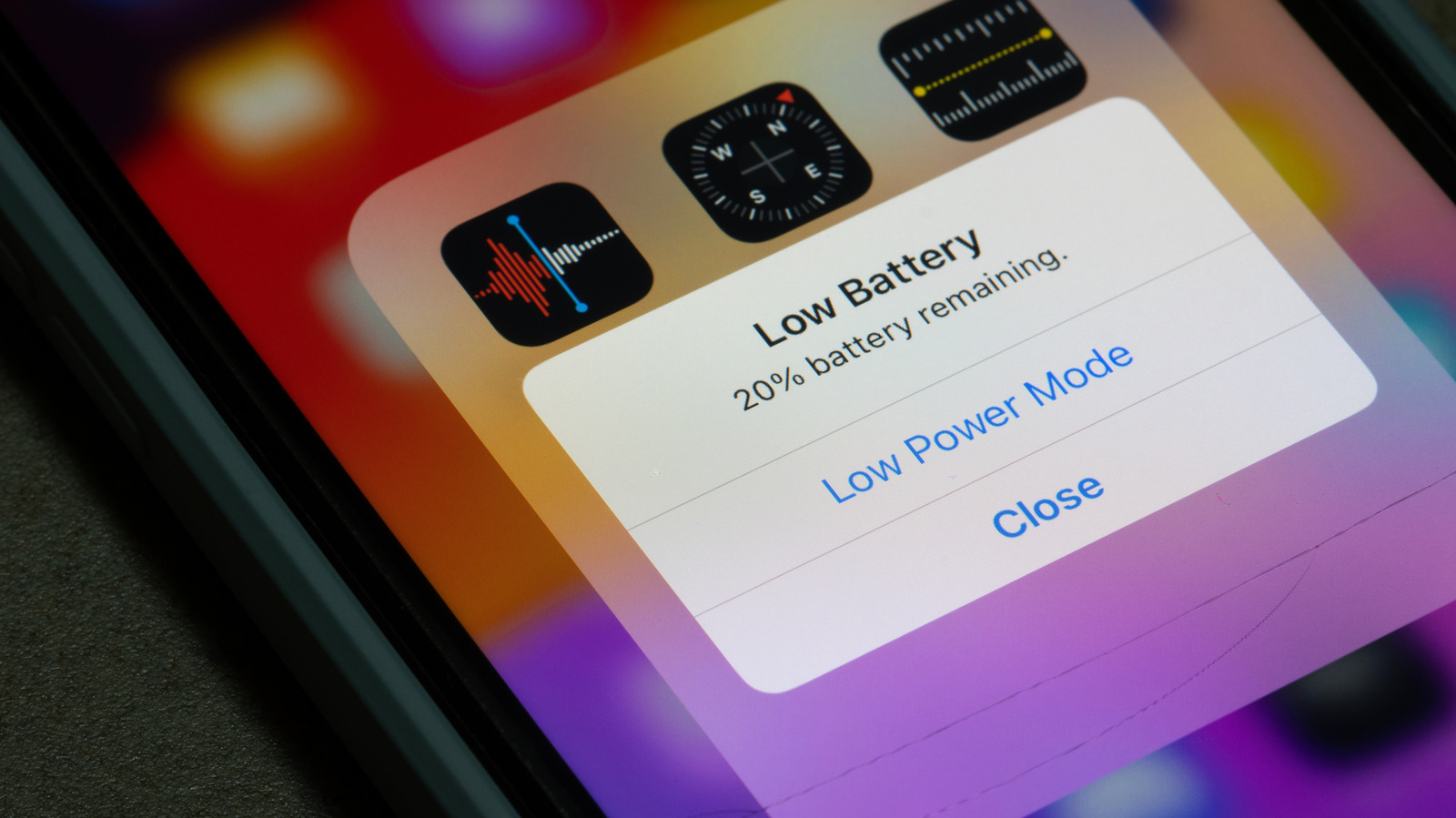
Understanding Sudden Phone Battery Drops: Causes and Fixes
Experiencing rapid battery percentage drops on your phone can be frustrating, but the issue usually stems from aging lithium-ion cells, background software processes, or …
 ⌚Wearables
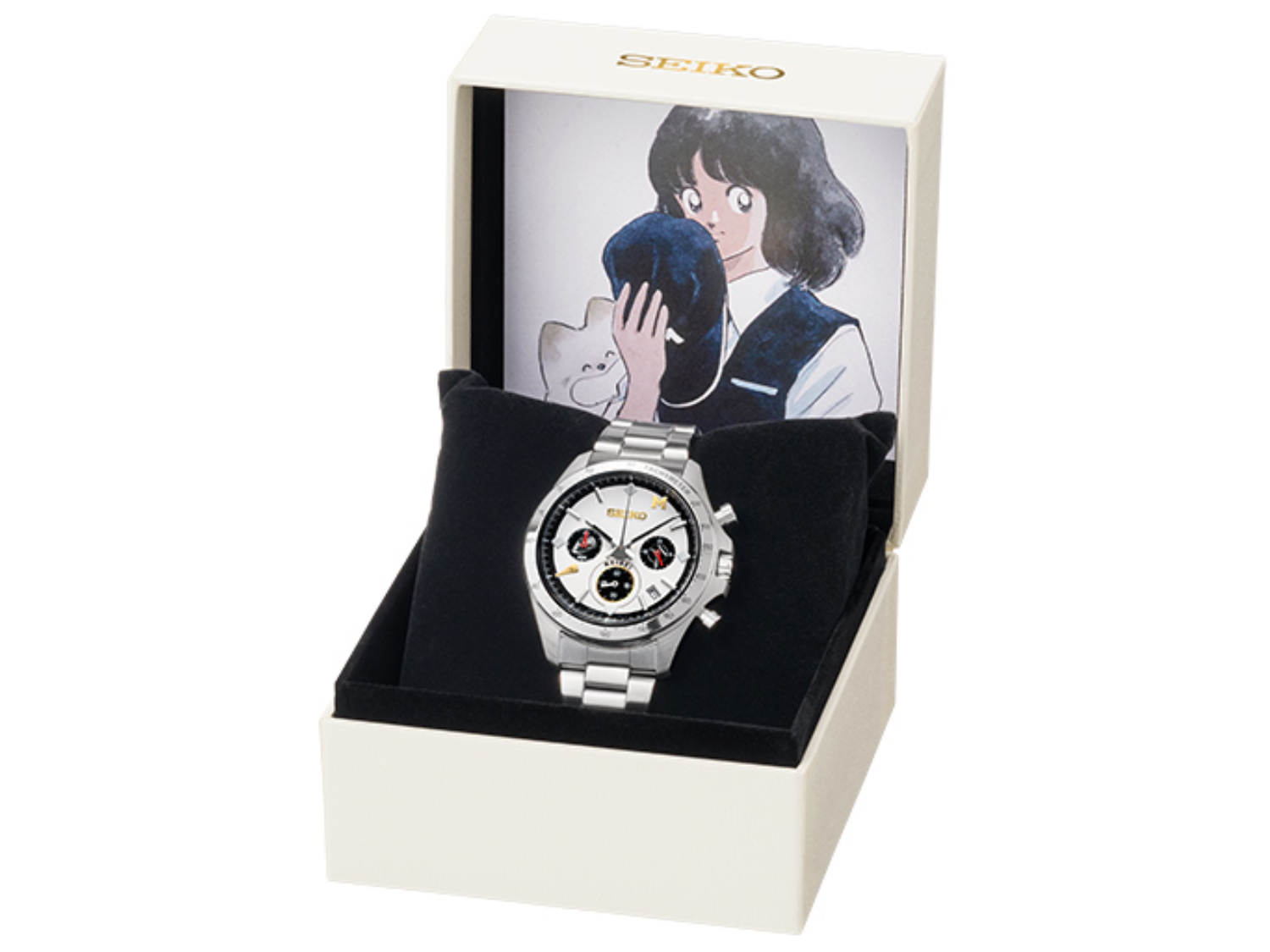
Seiko Launches Limited-Edition Touch Chronograph Featuring Unique Baseball-Themed Dial
Seiko has released a 45th-anniversary chronograph celebrating the baseball manga Touch, limited to 4,500 pieces and priced at roughly $412.