Windows Zero-Day Flaw Turns Security Feature Into a Potential Entry Point
A newly disclosed zero-day exploit called SignDrop targets Windows' Common Log File System, potentially allowing standard users to gain full system privileges.
 💻Laptops & PCs
Photo: digitaltrends.com
Key points
- SignDrop zero-day exploit targets Windows CLFS security features
- Standard user accounts could potentially gain full SYSTEM privileges
- Microsoft is investigating the issue while Defender blocks attempts
A fresh Windows security vulnerability known as SignDrop has come to light, exploiting a component designed to protect the operating system itself. Discovered by security researcher Abdelhamid Naceri and published on GitHub on November 10, the zero-day flaw abuses the Common Log File System (CLFS) and its companion cryptographic authentication files to escalate a standard user account into full SYSTEM privileges.
The exploit works by tricking a privileged process, such as Microsoft Defender's antimalware service, into opening a specially crafted log file. This process causes Windows to generate missing recovery data with elevated permissions, allowing a regular user to modify files at the highest authority level. Independent researchers have verified that the exploit functions, though its reliability and compatibility currently remain limited across standard hardware configurations.
While Microsoft is currently investigating the issue and states that Defender can detect and block active exploitation attempts, no dedicated patch or CVE had been issued as of mid-November. Disabling the underlying CLFS authentication is strongly discouraged, as it leaves machines open to older, known vulnerabilities. Users should rely on standard security hygiene, ensuring their operating systems and antivirus definitions stay fully updated until a formal software patch arrives.
Source digitaltrends.com — digitaltrends.com/computing/windows-11-signdrop-zero-day-exploit/ ↗
Read next
 🏠Smart Home
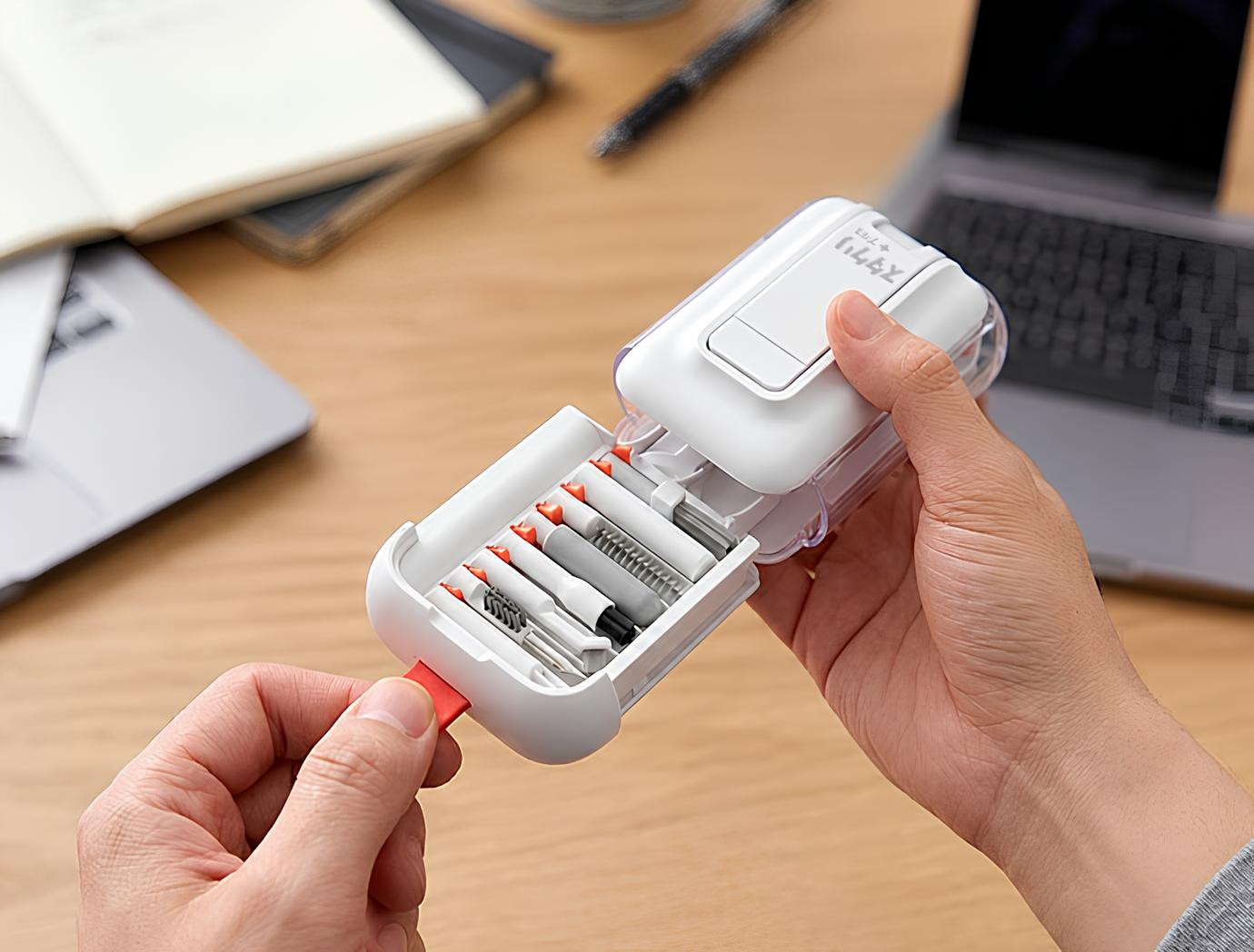
Area Launches Stakuri Plus: A Compact Phone Stand Packed With 17 Cleaning Tools
Japanese brand Area has released the Stakuri Plus, a portable smartphone stand that doubles as a comprehensive 17-in-1 electronics cleaning kit for roughly $16.
 🧭Buying Guides
Cloud vs. Local Storage: Which Backup Method Fits Your Gadgets Best?
A detailed comparison of cloud storage services like iCloud and Google Drive versus physical local drives, weighing access, costs, and reliability.
 🧭Buying Guides
Zelda: Ocarina of Time Remake Review Sparks Metacritic Debate
A single mixed review for the upcoming Zelda: Ocarina of Time remake on the Switch 2 has dropped its Metascore from 96 to 95, igniting backlash from fans.
 📱Phones
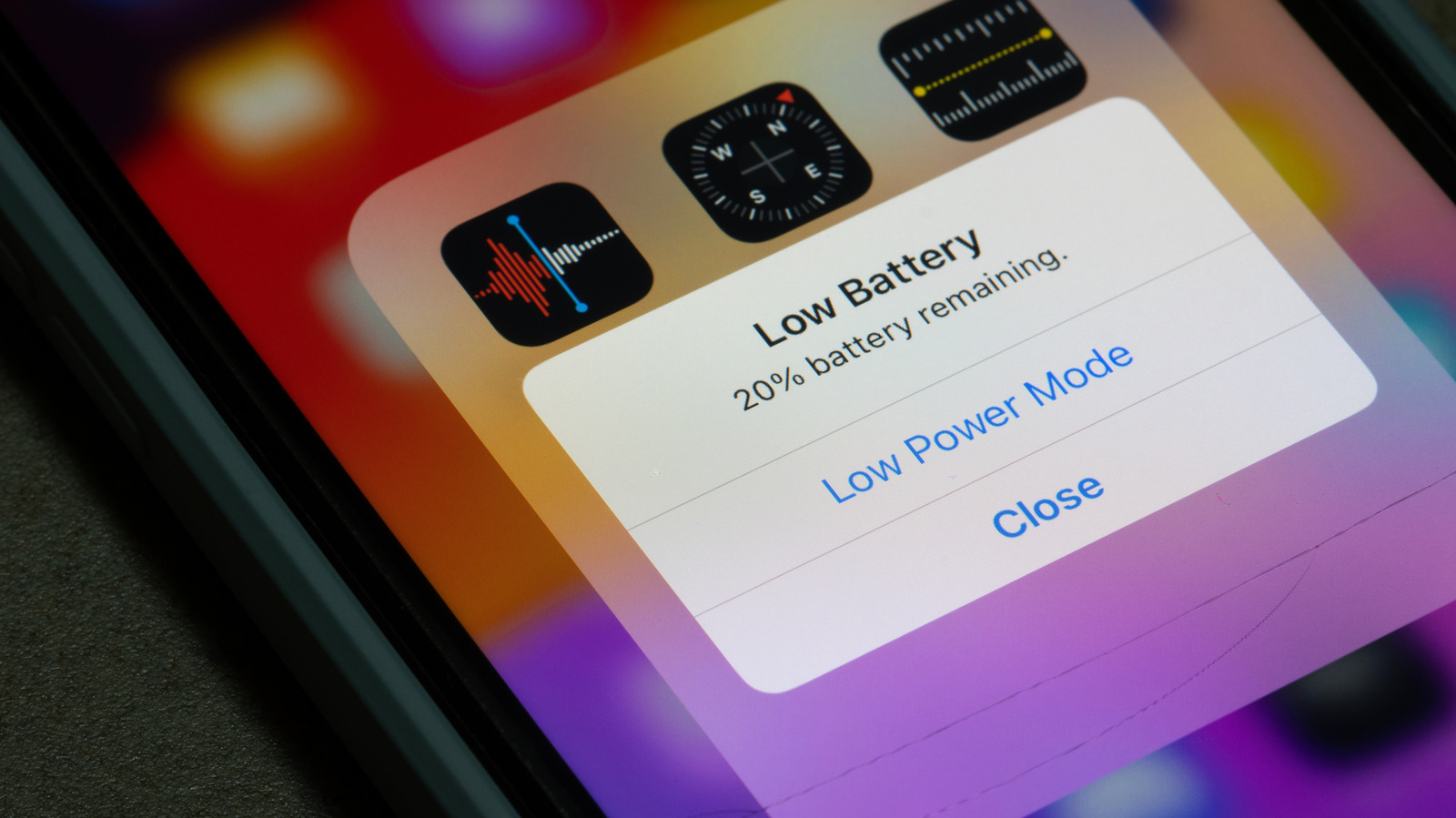
Understanding Sudden Phone Battery Drops: Causes and Fixes
Experiencing rapid battery percentage drops on your phone can be frustrating, but the issue usually stems from aging lithium-ion cells, background software processes, or …
 ⌚Wearables
Seiko Launches Limited-Edition Touch Chronograph Featuring Unique Baseball-Themed Dial
Seiko has released a 45th-anniversary chronograph celebrating the baseball manga Touch, limited to 4,500 pieces and priced at roughly $412.
 📱Phones
Apple Continues Refining the iPhone Messages App with New Software Updates
Apple has rolled out a series of enhancements to the iPhone Messages app across recent software cycles, including improved RCS support and performance upgrades.