Smartphone Longevity: Are Seven-Year Upgrade Cycles the New Norm?
As manufacturers extend software support to seven years, consumers are weighing the benefits of holding onto devices longer against the lure of new AI-driven hardware.
 📱Phones
Photo: gsmarena.com
Key points
- Software support for many modern phones now extends to six or seven years.
- Rising component costs for RAM and storage are driving up retail prices post-launch.
- New hardware like Si/C batteries and 2nm chips continue to tempt frequent upgraders.
Smartphone ownership cycles are undergoing a significant shift as hardware longevity clashes with rapid technological innovation. While a three-year replacement cycle was the industry standard just six years ago, the current market presents a more complex choice for consumers. Modern flagships now frequently offer up to seven years of operating system updates, a level of support that was previously restricted to the Apple ecosystem.
For most users, the decision to upgrade is now balanced between "good enough" performance and the arrival of transformative features. Technologies such as silicon-carbon (Si/C) batteries, 2nm processors, and LOFIC image sensors provide strong incentives for those seeking the cutting edge. Conversely, the rising cost of memory and storage—inflated by the demands of integrated AI—has led to an unusual market trend where some device prices increase rather than decrease over time.
The replacement timeframe often depends on the device tier. Flagship owners can realistically expect half a decade of peak performance, whereas entry-level and mid-range hardware may struggle with diminishing returns much sooner. Should you buy a new phone now? If your current handset is less than three years old and still receives security updates, waiting for the next generation of 2nm chips will likely offer a more noticeable performance leap.
Source gsmarena.com — gsmarena.com/weekly_poll_how_long_do_you_plan_to_keep_your_current_… ↗
Read next
 🏠Smart Home
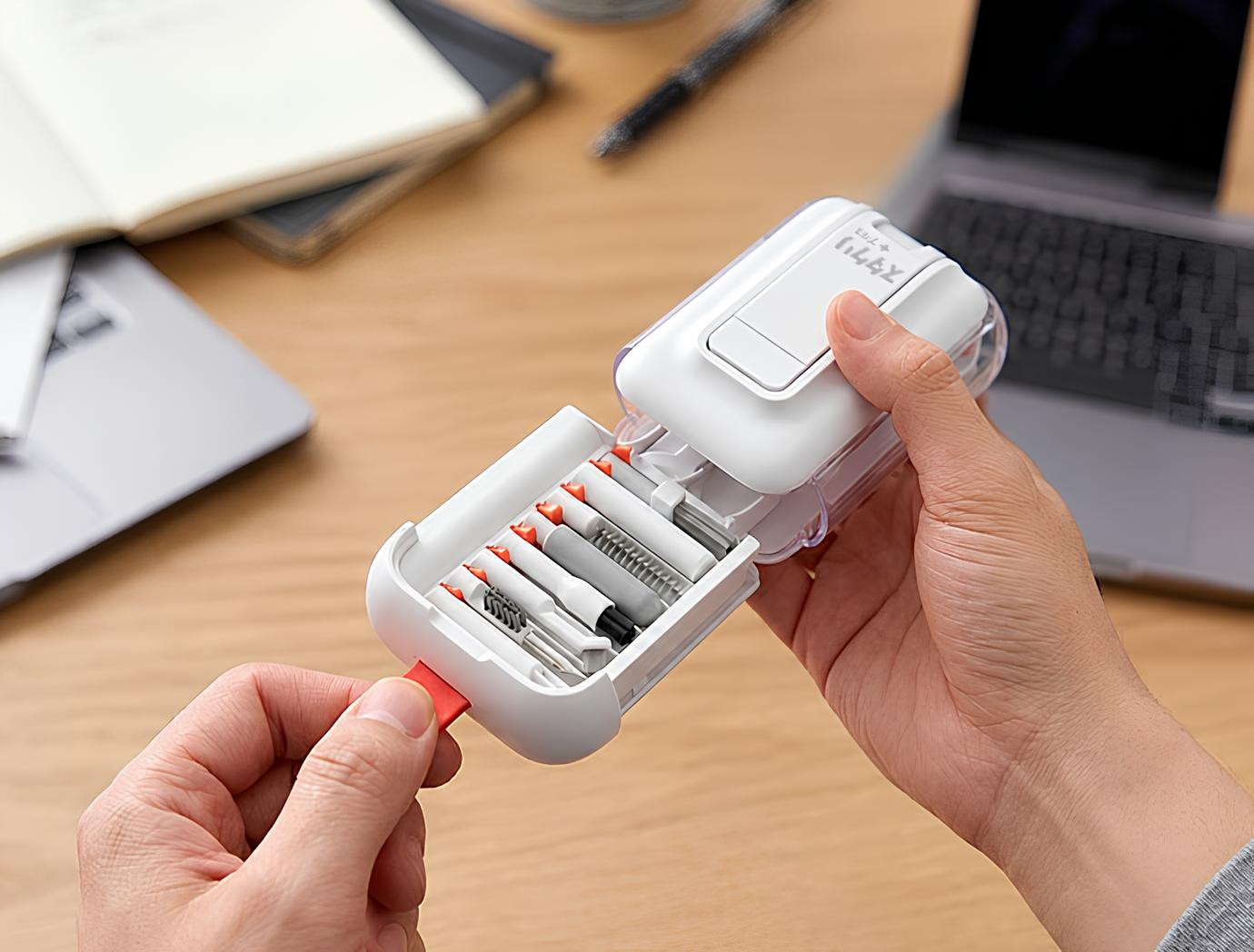
Area Launches Stakuri Plus: A Compact Phone Stand Packed With 17 Cleaning Tools
Japanese brand Area has released the Stakuri Plus, a portable smartphone stand that doubles as a comprehensive 17-in-1 electronics cleaning kit for roughly $16.
 🧭Buying Guides
Cloud vs. Local Storage: Which Backup Method Fits Your Gadgets Best?
A detailed comparison of cloud storage services like iCloud and Google Drive versus physical local drives, weighing access, costs, and reliability.
 🧭Buying Guides
Zelda: Ocarina of Time Remake Review Sparks Metacritic Debate
A single mixed review for the upcoming Zelda: Ocarina of Time remake on the Switch 2 has dropped its Metascore from 96 to 95, igniting backlash from fans.
 💻Laptops & PCs
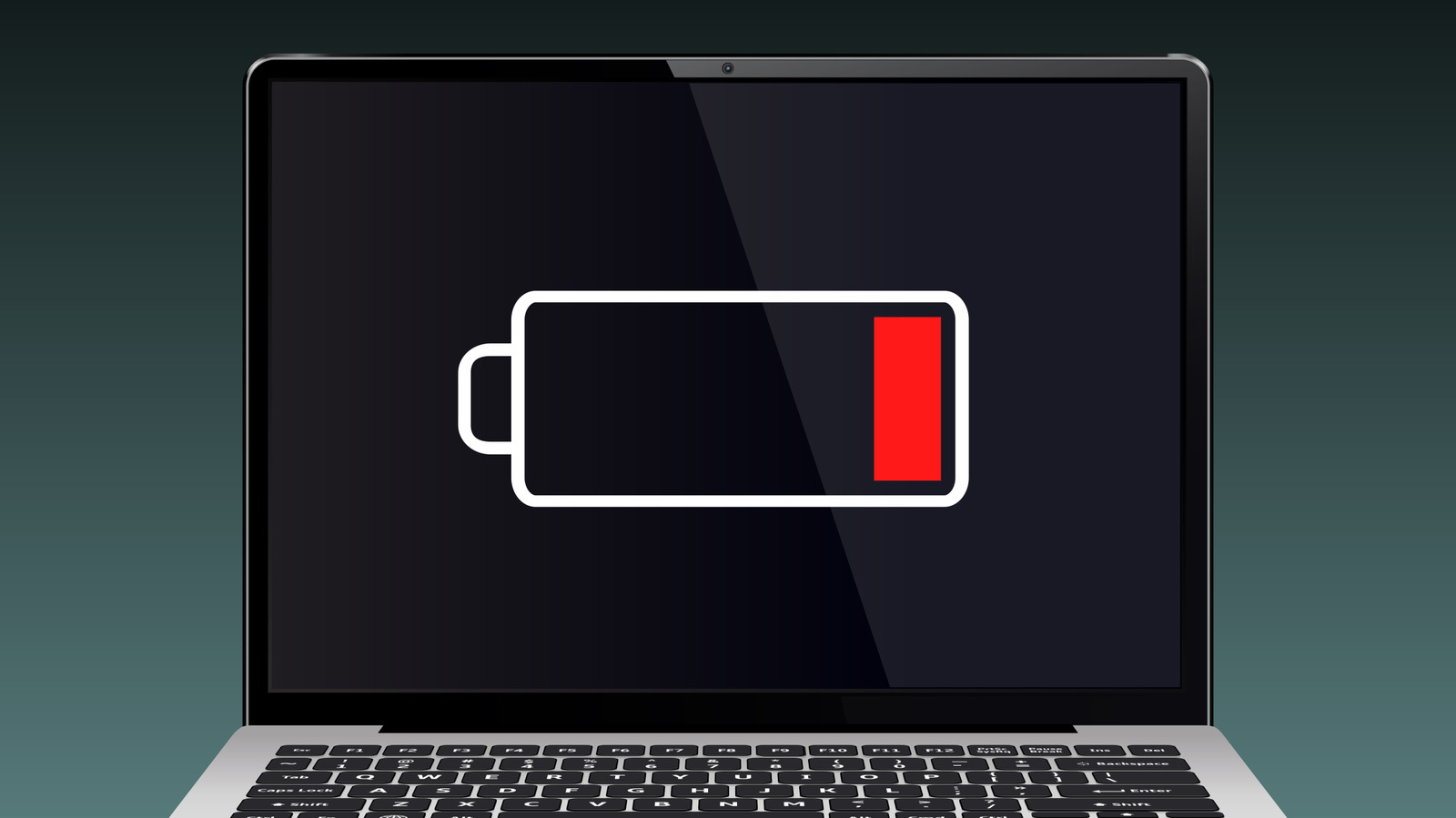
What Actually Happens When Your Laptop Battery Drains to Zero
Allowing your laptop battery to completely drain can cause gradual degradation over time, though occasional depletion will not instantly ruin your device.
 ⌚Wearables
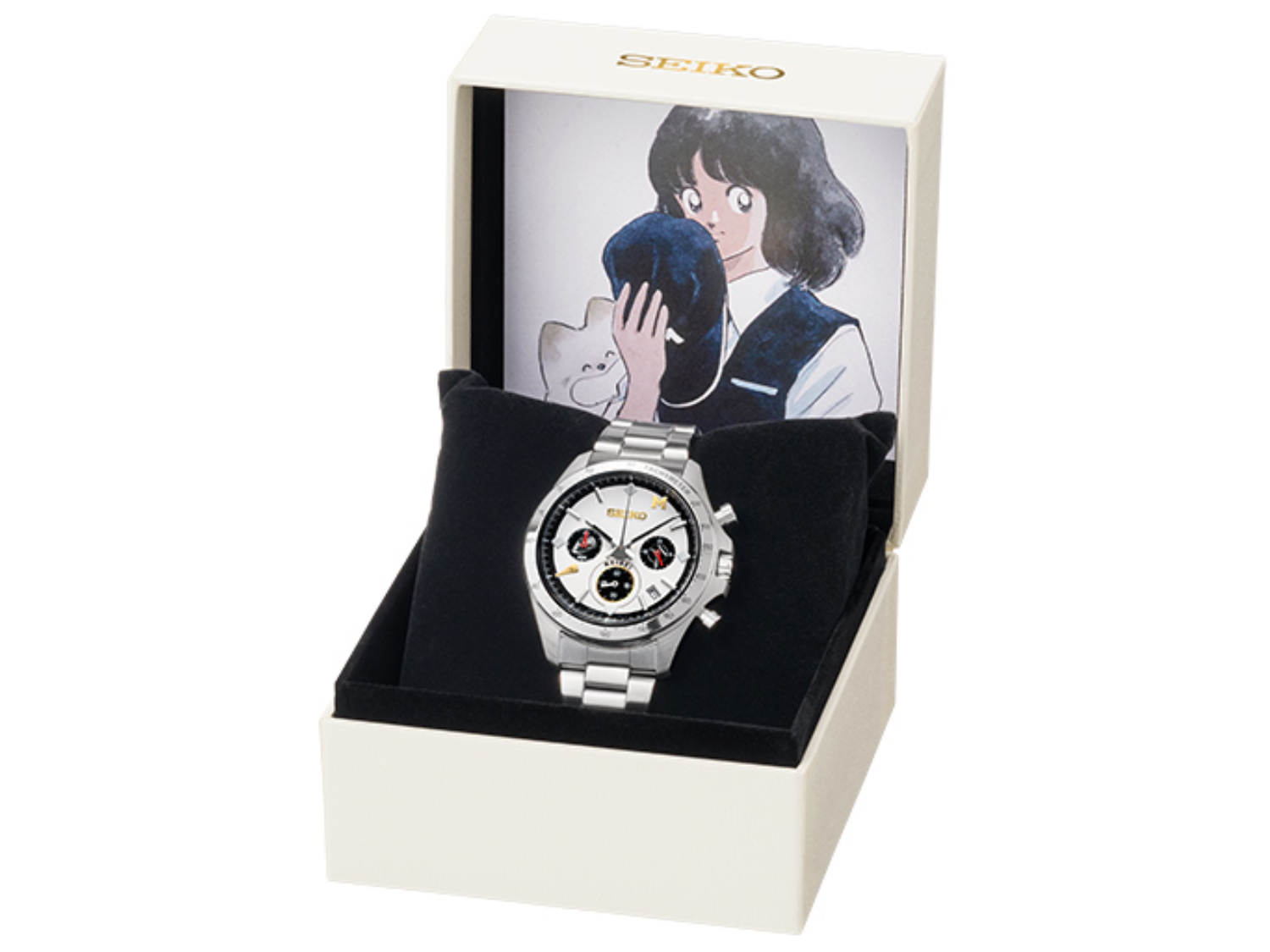
Seiko Launches Limited-Edition Touch Chronograph Featuring Unique Baseball-Themed Dial
Seiko has released a 45th-anniversary chronograph celebrating the baseball manga Touch, limited to 4,500 pieces and priced at roughly $412.
 💻Laptops & PCs
Microsoft Details Project Helix, Emphasizing Console Simplicity Over PC Complexity
Microsoft has shared fresh details on its upcoming Project Helix hardware, stressing that the next-generation machine will function primarily as a console while running P…