Wi-Fi 8 Aims to Fix Wireless Reliability Instead of Chasing Speed
Development on Wi-Fi 8 shifts focus from raw speeds to connection stability, targeting weak wall penetration, dropped packets, and crowded airspace.
 🏠Smart Home
Photo: engadget.com
Key points
- Wi-Fi 8 focuses on stability and reliability rather than higher speeds
- The 802.11bn standard targets 25 percent fewer dropped packets and lower latency
- Early draft routers are available now, but final approval is not expected until 2028
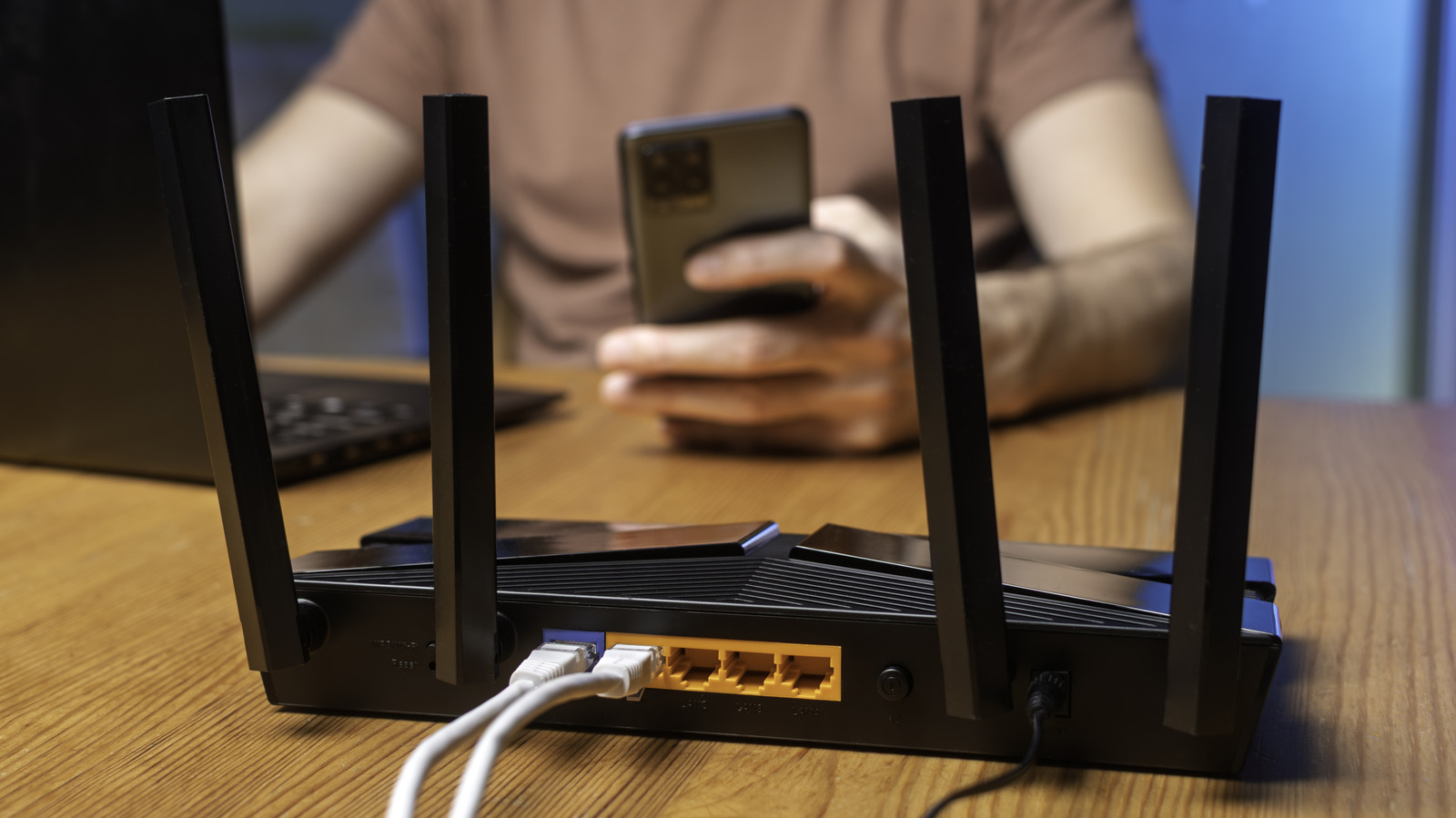
While Wi-Fi 7 tops out at a theoretical 23 Gbps, current wireless technology continues to struggle with practical pain points like poor stability, short range, and weak wall penetration. Entering development under the IEEE 802.11bn standard—nicknamed Ultra High Reliability—Wi-Fi 8 aims to correct these foundational flaws rather than simply making the internet faster. Final approval for the standard is not expected until 2028, though hardware manufacturers have already begun previewing early draft-spec routers.
Rather than boosting maximum throughput for users sitting directly next to a router, the upcoming standard targets a 25 percent improvement in throughput for weak signals, 25 percent fewer dropped packets during roaming, and 25 percent lower latency during peak congestion. These gains are largely achieved by allowing access points to coordinate transmission schedules rather than merely taking turns, which heavily benefits multi-room mesh setups and densely populated apartment buildings.
Brands like ASUS have already released early Wi-Fi 8 gaming and mesh hardware, with TP-Link following suit in select regions. However, purchasing these units right now yields virtually no immediate performance benefits, as compatible client devices such as phones and laptops are not yet widely available. Furthermore, because these products rely on draft specifications, early hardware may not support every feature finalized in the official 2028 release.
Should you buy it? Skip current draft-spec Wi-Fi 8 hardware unless you are future-proofing a smart home network. For most households, Wi-Fi 7 or even Wi-Fi 6 handles existing gigabit fiber plans with ease, and optimizing router placement will yield better immediate results than upgrading.
Source engadget.com — engadget.com/2313896/wifi-8-attempt-fix-biggest-problem-wireless-in… ↗
Read next
 🧭Buying Guides
Cloud vs. Local Storage: Which Backup Method Fits Your Gadgets Best?
A detailed comparison of cloud storage services like iCloud and Google Drive versus physical local drives, weighing access, costs, and reliability.
 🧭Buying Guides
Zelda: Ocarina of Time Remake Review Sparks Metacritic Debate
A single mixed review for the upcoming Zelda: Ocarina of Time remake on the Switch 2 has dropped its Metascore from 96 to 95, igniting backlash from fans.
 📱Phones
Understanding Sudden Phone Battery Drops: Causes and Fixes
Experiencing rapid battery percentage drops on your phone can be frustrating, but the issue usually stems from aging lithium-ion cells, background software processes, or …
 💻Laptops & PCs
What Actually Happens When Your Laptop Battery Drains to Zero
Allowing your laptop battery to completely drain can cause gradual degradation over time, though occasional depletion will not instantly ruin your device.
 ⌚Wearables
Seiko Launches Limited-Edition Touch Chronograph Featuring Unique Baseball-Themed Dial
Seiko has released a 45th-anniversary chronograph celebrating the baseball manga Touch, limited to 4,500 pieces and priced at roughly $412.
 💻Laptops & PCs
Microsoft Details Project Helix, Emphasizing Console Simplicity Over PC Complexity
Microsoft has shared fresh details on its upcoming Project Helix hardware, stressing that the next-generation machine will function primarily as a console while running P…