How vibe coding is transforming custom music gear and audio plugins
Musicians and developers are utilizing AI-driven natural language prompts, known as vibe coding, to rapidly build and customize audio plugins and hardware firmware.
 🏠Smart Home
Photo: engadget.com
Key points
- Vibe coding uses natural language prompts in AI chatbots to generate software code.
- Musicians and developers are leveraging the technique to build complex audio plugins and synthesizer firmware faster.
- Critics warn that AI-assisted coding can lead to performance issues and low-quality software applications.
Artificial intelligence is expanding beyond automated song generation, deeply influencing the audio engineering landscape through a trend called vibe coding. By using common-language prompts in AI chatbots, creators without formal programming backgrounds can now generate functional software code. This practice lowers the traditional barriers of cost and technical complexity, allowing music enthusiasts to design custom instruments and effects for digital audio workstations.
Historically, developing audio plugins required extensive expertise in multiple programming languages, audio engineering, and user interface design. While earlier visual programming tools existed, they still demanded significant time investments. Vibe coding accelerates this workflow dramatically. Former Google software engineer Evan Mezeske utilized AI to build a physics-based synthesizer called Anukari, while companies like Lunacy Audio and Vald Labs have incorporated AI tools to develop innovative products such as Nova and Tresse.
Despite the influx of new firmware and plugins shared on platforms like GitHub, the audio community remains divided. Reviewers and critics point out that AI-generated code can result in poor performance or low-quality software, sparking an ongoing debate over the reliability of automated development tools for professional music production.
Should you buy it?
While vibe coding offers an accessible entry point for hobbyists wanting to customize gear, professionals should remain cautious of inconsistent code quality until the market matures further.
Source engadget.com — engadget.com/2313717/vibe-coding-changing-how-musicians-customize-g… ↗
Read next
 ⌚Wearables
Apple Launches Health AI Study App for iPhone and Apple Watch Users
Apple has rolled out a dedicated application for its new Health AI Study, inviting US users to examine how people interact with conversational medical tools.
 💻Laptops & PCs
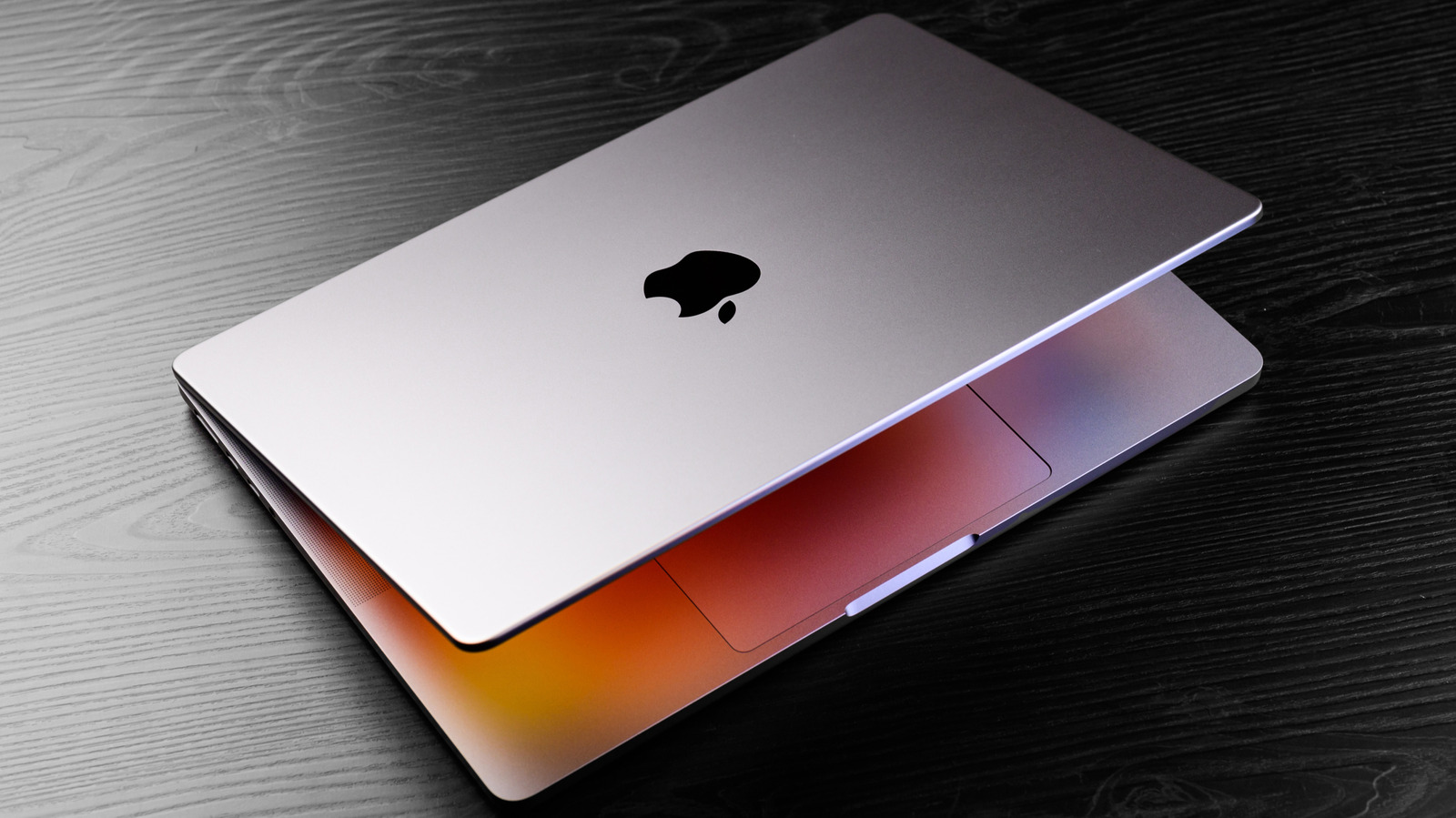
How to clear app caches on your Mac to free up storage and fix glitches
Learn when and how to manually clear application caches on your macOS device to reclaim valuable storage space and troubleshoot software glitches.
 🧭Buying Guides
Cloud vs. Local Storage: Which Backup Method Fits Your Gadgets Best?
A detailed comparison of cloud storage services like iCloud and Google Drive versus physical local drives, weighing access, costs, and reliability.
 🧭Buying Guides
Zelda: Ocarina of Time Remake Review Sparks Metacritic Debate
A single mixed review for the upcoming Zelda: Ocarina of Time remake on the Switch 2 has dropped its Metascore from 96 to 95, igniting backlash from fans.
 📱Phones
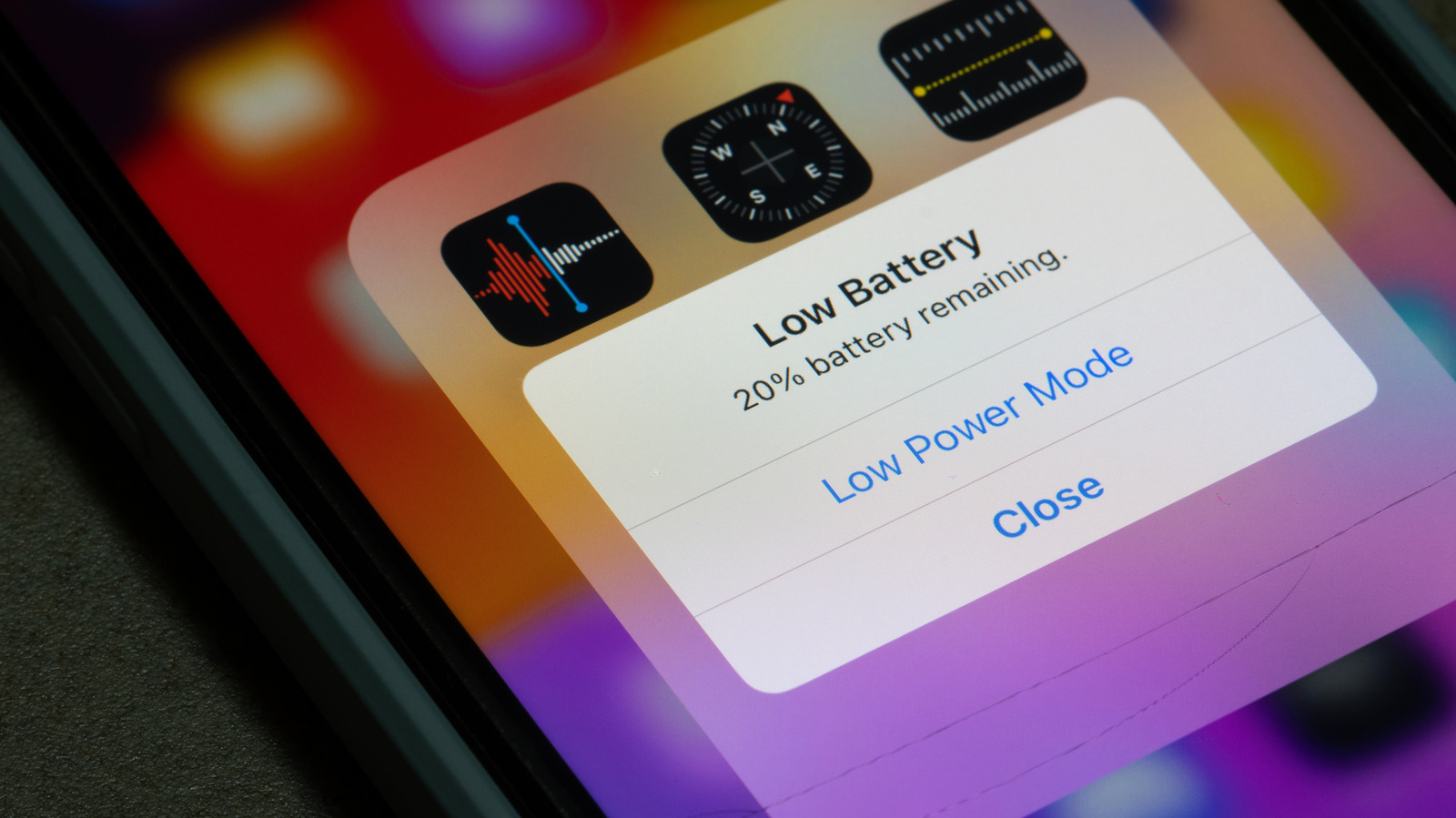
Understanding Sudden Phone Battery Drops: Causes and Fixes
Experiencing rapid battery percentage drops on your phone can be frustrating, but the issue usually stems from aging lithium-ion cells, background software processes, or …
 💻Laptops & PCs
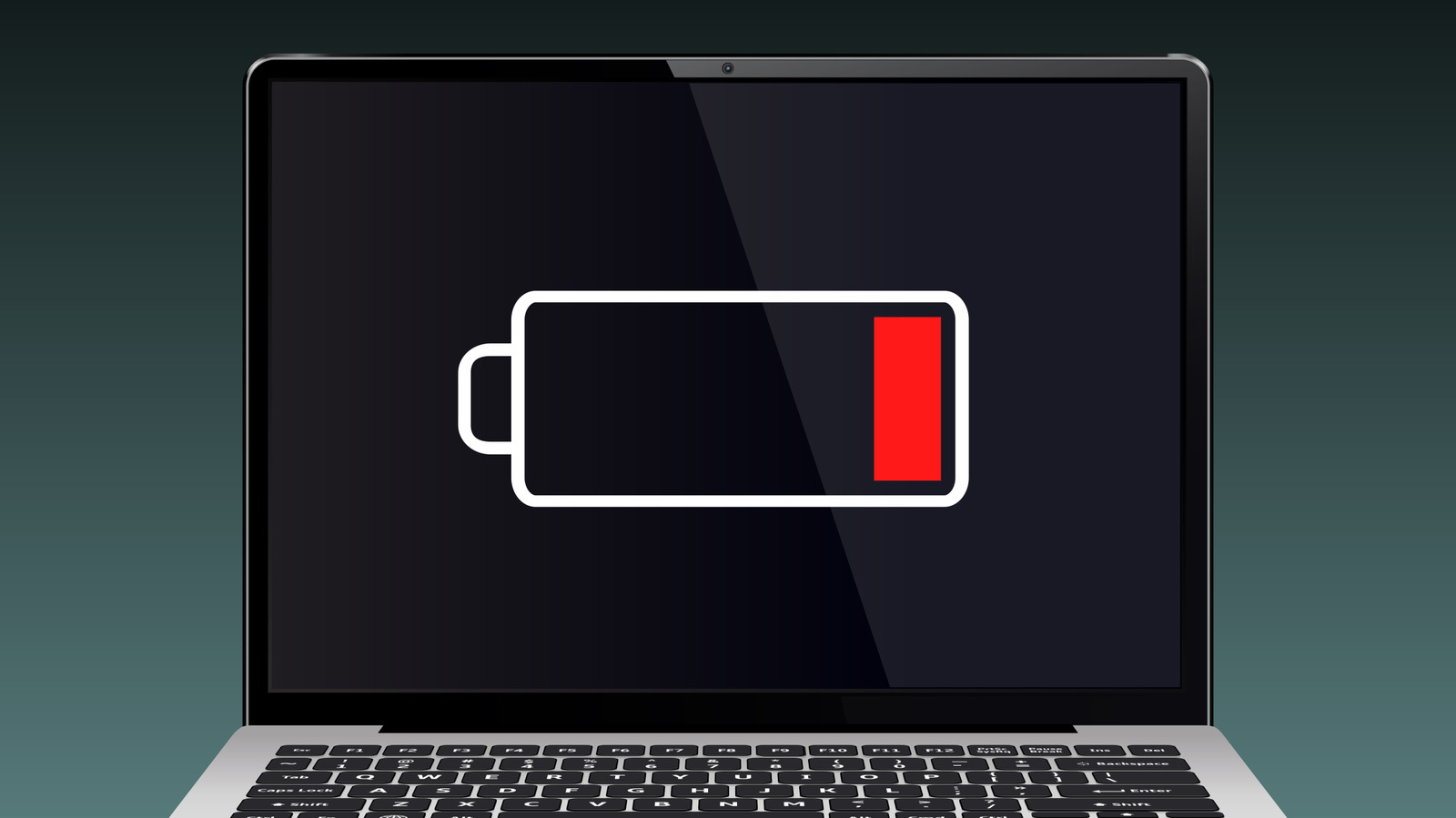
What Actually Happens When Your Laptop Battery Drains to Zero
Allowing your laptop battery to completely drain can cause gradual degradation over time, though occasional depletion will not instantly ruin your device.