Why Viral Rumors About a November 17 Global Blackout Are Completely False
Social media platforms are swirling with viral claims that a routine emergency alert test on November 17 will trigger a massive digital blackout, though security and disaster experts confirm these fears are entirely unfounded.
 📰Gadget News
Photo: cnet.com
Key points
- Social media rumors falsely claim a Nov. 17 FEMA and FCC alert test will cause a global blackout.
- Experts emphasize that the test is a routine safety check with no risk to power or internet grids.
- Cellphones will not receive wireless emergency alerts during this specific test.
Viral videos across platforms like TikTok, Instagram, and Facebook have recently popularized bizarre conspiracy theories claiming that an upcoming test by the Federal Emergency Management Agency and the Federal Communications Commission will spark a catastrophic global shutdown. According to these online rumors, the scheduled test on November 17 at approximately 2:20 p.m. ET is supposedly a cover for a massive cyberattack or infrastructure failure that will disable the internet, electricity, and banking systems. Some panicked users have even begun stockpiling months' worth of emergency supplies, citing unrelated recent tech outages and fictional references from television shows as supposed evidence.
Security and disaster preparedness experts are strongly pushing back against the hysteria, emphasizing that the event is merely a routine technical check of the Emergency Alert System. Richard Mariano, a protective intelligence expert at Kronus Intelligence, noted that viral misinformation frequently manufactures unnecessary panic and urged the public to carefully verify their sources. The upcoming test is simply a continuation of public safety evaluations that have taken place for decades, tracing their roots back through previous iterations like the Emergency Broadcast System established in 1963.
During the brief one-minute test, FEMA will broadcast a standard message indicating that no action is required from the public, utilizing accessibility tones designed to assist deaf or hard-of-hearing individuals. Unlike previous nationwide drills, wireless emergency alerts will not be sent to mobile phones this time, and standard television and radio programming will immediately resume once the test concludes. Authorities remind citizens that the alert system exists to warn populations about genuine crises—such as severe weather events or local safety alerts—rather than foretelling a digital apocalypse.
Source cnet.com — cnet.com/news/social-media/blackout-rumors-nov-17-emergency-alert-s… ↗
Read next
 ⌚Wearables
Apple Launches Health AI Study App for iPhone and Apple Watch Users
Apple has rolled out a dedicated application for its new Health AI Study, inviting US users to examine how people interact with conversational medical tools.
 💻Laptops & PCs
How to clear app caches on your Mac to free up storage and fix glitches
Learn when and how to manually clear application caches on your macOS device to reclaim valuable storage space and troubleshoot software glitches.
 🏠Smart Home
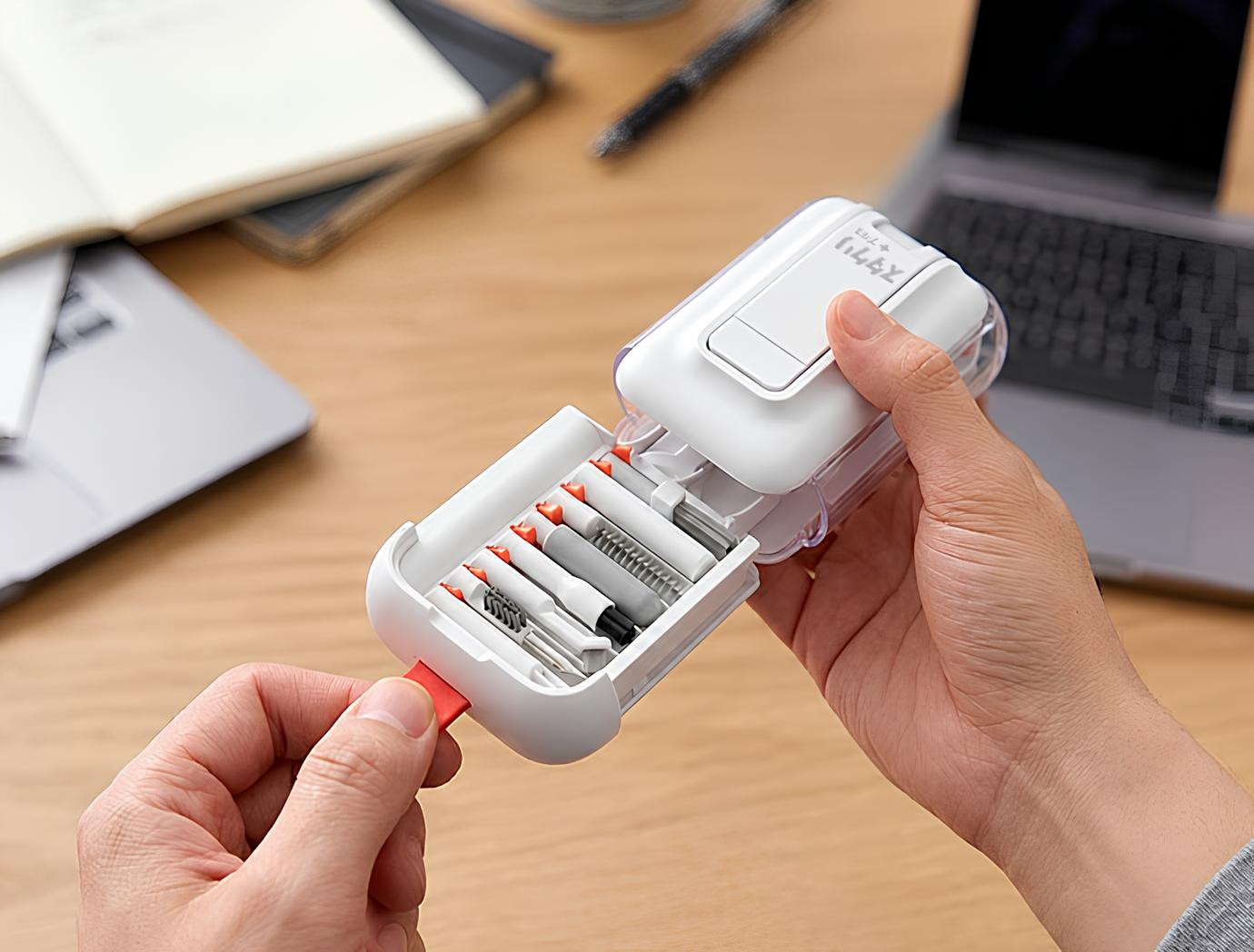
Area Launches Stakuri Plus: A Compact Phone Stand Packed With 17 Cleaning Tools
Japanese brand Area has released the Stakuri Plus, a portable smartphone stand that doubles as a comprehensive 17-in-1 electronics cleaning kit for roughly $16.
 🧭Buying Guides
Cloud vs. Local Storage: Which Backup Method Fits Your Gadgets Best?
A detailed comparison of cloud storage services like iCloud and Google Drive versus physical local drives, weighing access, costs, and reliability.
 🧭Buying Guides
Zelda: Ocarina of Time Remake Review Sparks Metacritic Debate
A single mixed review for the upcoming Zelda: Ocarina of Time remake on the Switch 2 has dropped its Metascore from 96 to 95, igniting backlash from fans.
 📱Phones
Understanding Sudden Phone Battery Drops: Causes and Fixes
Experiencing rapid battery percentage drops on your phone can be frustrating, but the issue usually stems from aging lithium-ion cells, background software processes, or …