Maximizing Home Solar and Battery Systems: Essential Tips for Efficiency
After a full year of using a home solar and battery setup, expert insights reveal practical strategies to optimize energy savings, manage appliance usage, and choose the right smart tariffs.
 ⌚Wearables
Photo: trustedreviews.com
Key points
- Standard export rates are often too low to justify selling power back to the grid over self-consumption.
- Smart tariffs with off-peak rates help offset lower solar generation during autumn and winter months.
- Staggering heavy appliances prevents systems from exceeding generation or export limits.
Integrating solar panels and battery storage can significantly reduce domestic energy consumption, but getting the absolute most out of these systems requires careful management. Standard export tariffs often pay a mere 12p per kWh while importing costs roughly 26p per kWh on standard Octopus plans. Because of this substantial price gap, homeowners benefit most by consuming self-generated power directly or storing it, rather than selling it back to the grid for a low return.
Smart Tariffs and Battery Strategies
During shorter autumn and winter months, solar generation drops significantly, making smart tariffs crucial. Plans like Octopus Flux feature off-peak rates, such as 16.17p per kWh between 2am and 5am in London, scaling up to 37.78p per kWh during peak hours. Meanwhile, EV-focused tariffs like Octopus Go provide super-cheap overnight rates at 9.4p per kWh, though users must balance these costs against their system's peak output limits and maximum export capacities.
Managing Appliance Loads
Monitoring real-time consumption via smart meters and companion apps helps users time power-hungry tasks like running a washing machine or dishwasher. Staggering heavy appliances prevents households from exceeding generation limits or battery export caps, keeping grid reliance to a minimum. Additionally, upgrading to lower-wattage alternatives—such as switching from a 3kW kettle to a 1.8kW model—helps prevent high-draw devices from overwhelming lower-capacity systems.
Should you buy it? While solar and battery setups require careful adaptation of daily routines to maximize financial returns, understanding peak energy draws and matching them with appropriate smart tariffs yields significant long-term savings.
Source trustedreviews.com — trustedreviews.com/opinion/solar-and-battery-tips-after-a-year ↗
Read next
 🏠Smart Home
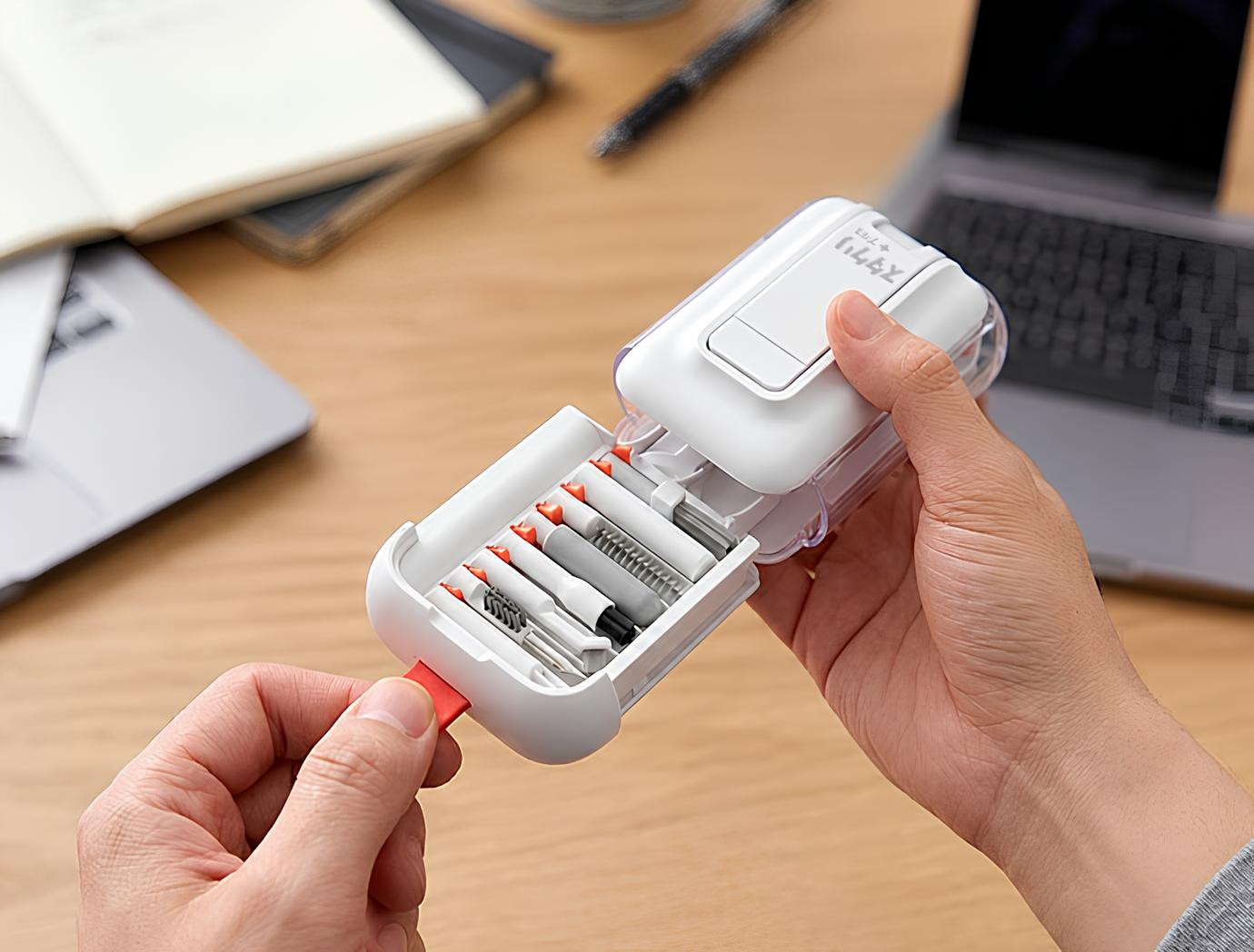
Area Launches Stakuri Plus: A Compact Phone Stand Packed With 17 Cleaning Tools
Japanese brand Area has released the Stakuri Plus, a portable smartphone stand that doubles as a comprehensive 17-in-1 electronics cleaning kit for roughly $16.
 🧭Buying Guides
Cloud vs. Local Storage: Which Backup Method Fits Your Gadgets Best?
A detailed comparison of cloud storage services like iCloud and Google Drive versus physical local drives, weighing access, costs, and reliability.
 🧭Buying Guides
Zelda: Ocarina of Time Remake Review Sparks Metacritic Debate
A single mixed review for the upcoming Zelda: Ocarina of Time remake on the Switch 2 has dropped its Metascore from 96 to 95, igniting backlash from fans.
 📱Phones
Understanding Sudden Phone Battery Drops: Causes and Fixes
Experiencing rapid battery percentage drops on your phone can be frustrating, but the issue usually stems from aging lithium-ion cells, background software processes, or …
 💻Laptops & PCs
What Actually Happens When Your Laptop Battery Drains to Zero
Allowing your laptop battery to completely drain can cause gradual degradation over time, though occasional depletion will not instantly ruin your device.
 💻Laptops & PCs
Microsoft Details Project Helix, Emphasizing Console Simplicity Over PC Complexity
Microsoft has shared fresh details on its upcoming Project Helix hardware, stressing that the next-generation machine will function primarily as a console while running P…