Three Years of Mobile Gaming: Testing Resident Evil on iPhone 15 Pro vs iPhone 18 Pro
We revisit demanding mobile ports like Resident Evil Village and Resident Evil 4 to see how Apple's hardware has evolved over a three-year span.
 ⌚Wearables
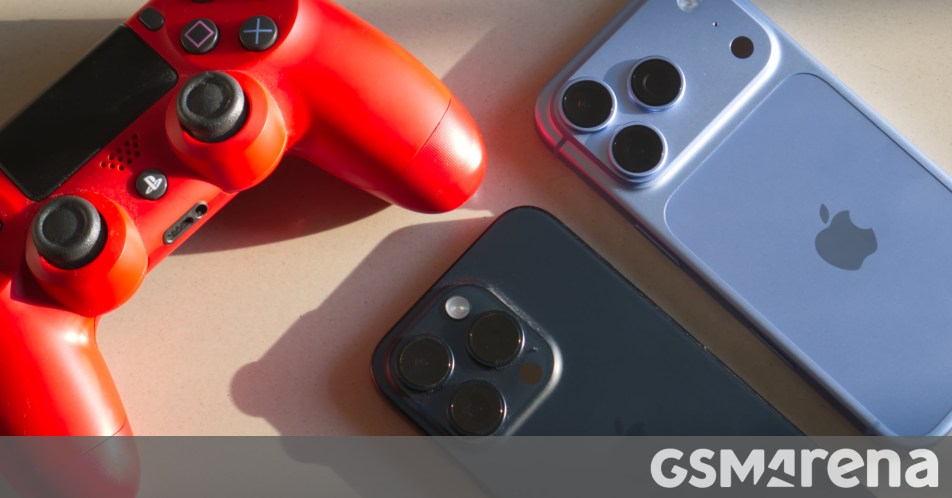
Photo: gsmarena.com
Key points
- iPhone 18 Pro delivers nearly double the frame rate in Resident Evil Village compared to the iPhone 15 Pro.
- Expanded 12GB memory on newer hardware resolves the memory constraints faced by the older 8GB architecture.
- Resident Evil 4 lacks graphic settings, resulting in identical visual and performance metrics across both device generations.
Gaming Evolution in the Apple Ecosystem
When Apple introduced the iPhone 15 Pro, it unlocked the door for current-generation AAA console ports to run on pocketable hardware, led by titles like Resident Evil Village and Resident Evil 4 powered by the A17 Pro chip. Fast forward three years, and the newly released iPhone 18 Pro offers a stark contrast in performance, putting raw hardware improvements and upgraded memory to the test against older mobile ports.
Testing Resident Evil Village reveals a massive generational gap. Running on the Prioritize Graphics preset, the older iPhone 15 Pro struggles heavily in the opening village area, hovering around a choppy 22 to 24 frames per second with frequent stutters. In comparison, the iPhone 18 Pro effortlessly doubles that output, sitting close to 50 fps. Dropping down to the Balanced preset lets the older device lock in a steady 30 fps, while the newer model hits the game's 60 fps ceiling. This dramatic performance jump stems from faster processing architecture and an expanded 12GB of memory on the current device, overcoming the restrictive 8GB bottleneck of the 15 Pro.
The Paradox of Locked Settings
Interestingly, titles like Resident Evil 4 tell a different story due to how developers optimized their software. Because Capcom configured Resident Evil 4 specifically for the iPhone 15 Pro hardware without relying on the Mac port method, it features zero graphical adjustment settings. While the older phone handles the title surprisingly well at a rock-solid 30 fps thanks to post-launch polishing, the lack of scalability means the iPhone 18 Pro runs the game with nearly identical resolution, visuals, and frame rates, leaving the newer hardware with little room to stretch its muscles.
The iPhone 18 Pro makes titles like Village completely playable at maximum settings, though static graphic profiles can limit newer hardware advantages.
Ultimately, these performance checks show that while raw silicon and memory capacity leaps—like those seen from the 15 Pro to the 18 Pro—transform games featuring scalable options, software limitations can occasionally cap generational gains.
Source gsmarena.com — gsmarena.com/gaming_performance_evolution_iphone_15_pro_to_iphone_1… ↗
Read next
 🏠Smart Home
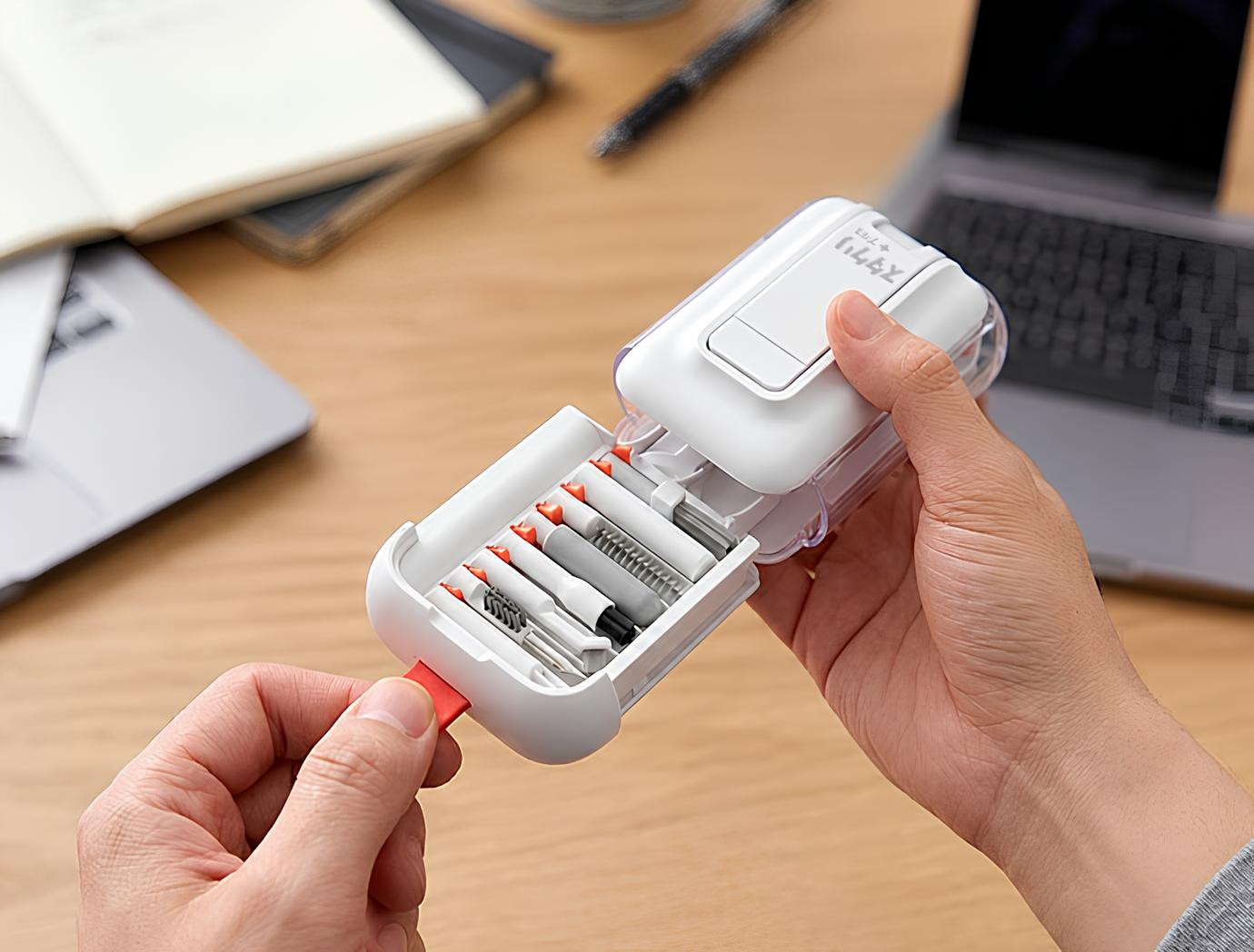
Area Launches Stakuri Plus: A Compact Phone Stand Packed With 17 Cleaning Tools
Japanese brand Area has released the Stakuri Plus, a portable smartphone stand that doubles as a comprehensive 17-in-1 electronics cleaning kit for roughly $16.
 🧭Buying Guides
Cloud vs. Local Storage: Which Backup Method Fits Your Gadgets Best?
A detailed comparison of cloud storage services like iCloud and Google Drive versus physical local drives, weighing access, costs, and reliability.
 🧭Buying Guides
Zelda: Ocarina of Time Remake Review Sparks Metacritic Debate
A single mixed review for the upcoming Zelda: Ocarina of Time remake on the Switch 2 has dropped its Metascore from 96 to 95, igniting backlash from fans.
 📱Phones
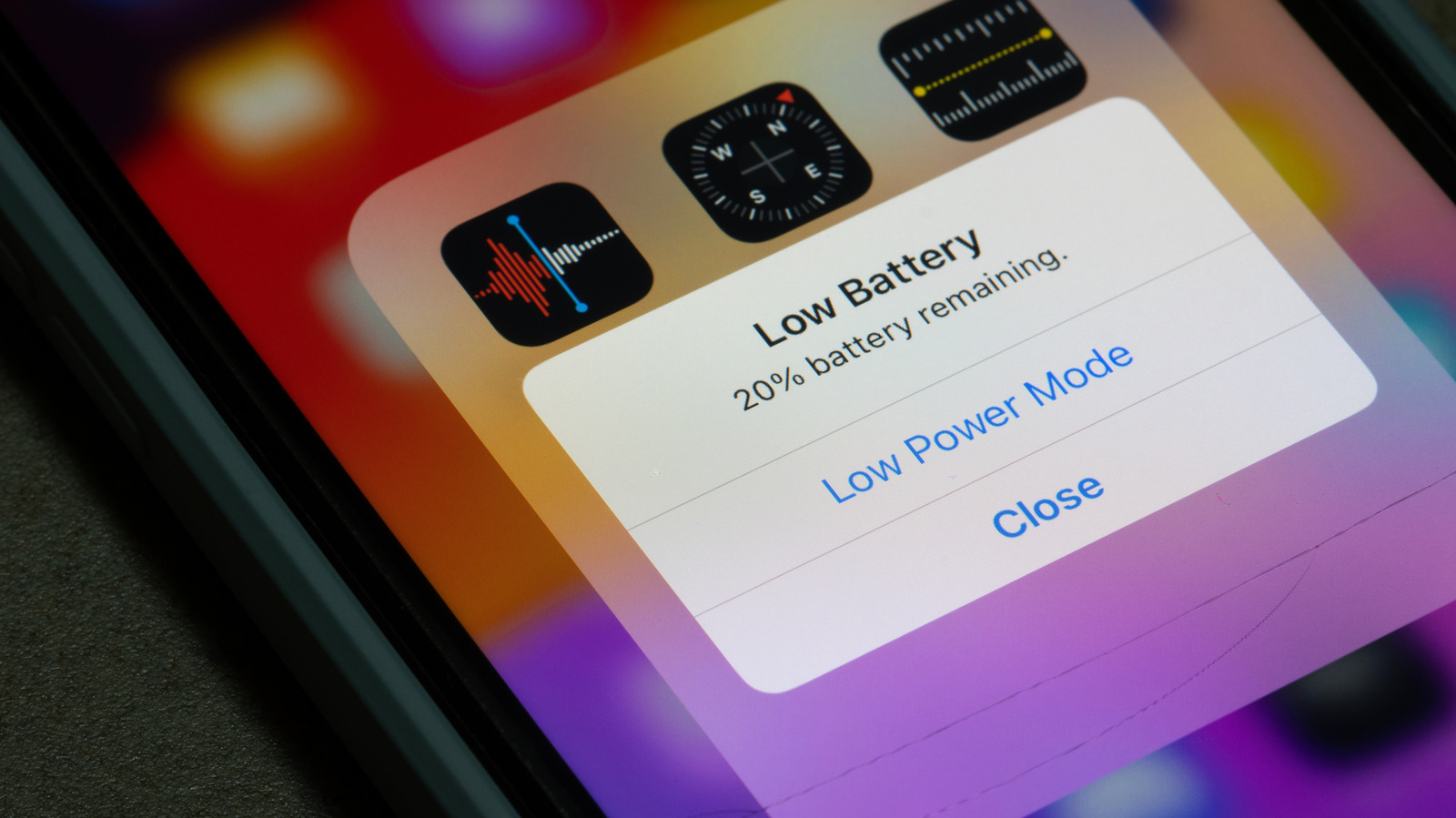
Understanding Sudden Phone Battery Drops: Causes and Fixes
Experiencing rapid battery percentage drops on your phone can be frustrating, but the issue usually stems from aging lithium-ion cells, background software processes, or …
 💻Laptops & PCs
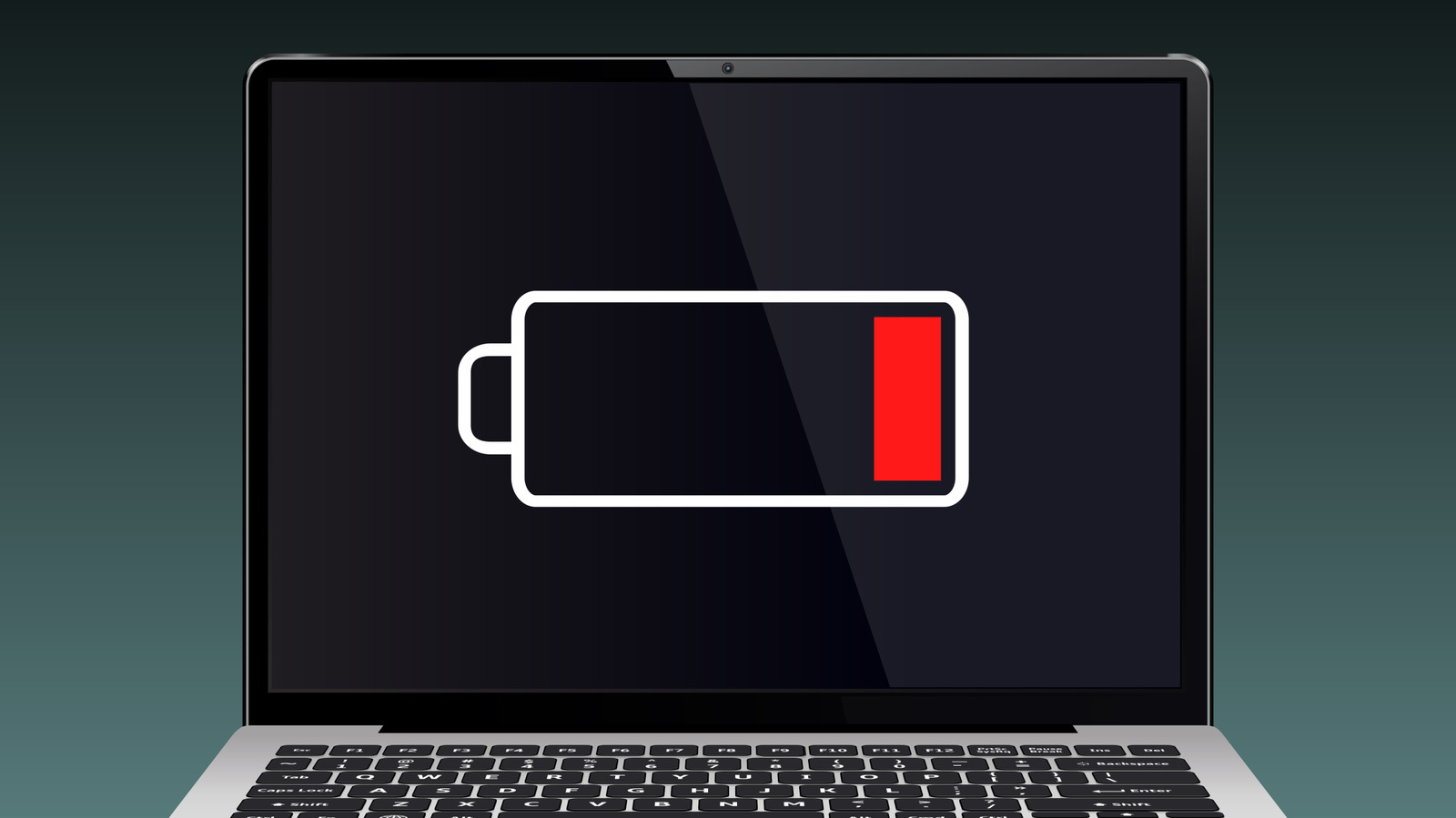
What Actually Happens When Your Laptop Battery Drains to Zero
Allowing your laptop battery to completely drain can cause gradual degradation over time, though occasional depletion will not instantly ruin your device.
 💻Laptops & PCs
Microsoft Details Project Helix, Emphasizing Console Simplicity Over PC Complexity
Microsoft has shared fresh details on its upcoming Project Helix hardware, stressing that the next-generation machine will function primarily as a console while running P…